


BY TANDZILE DLAMINI
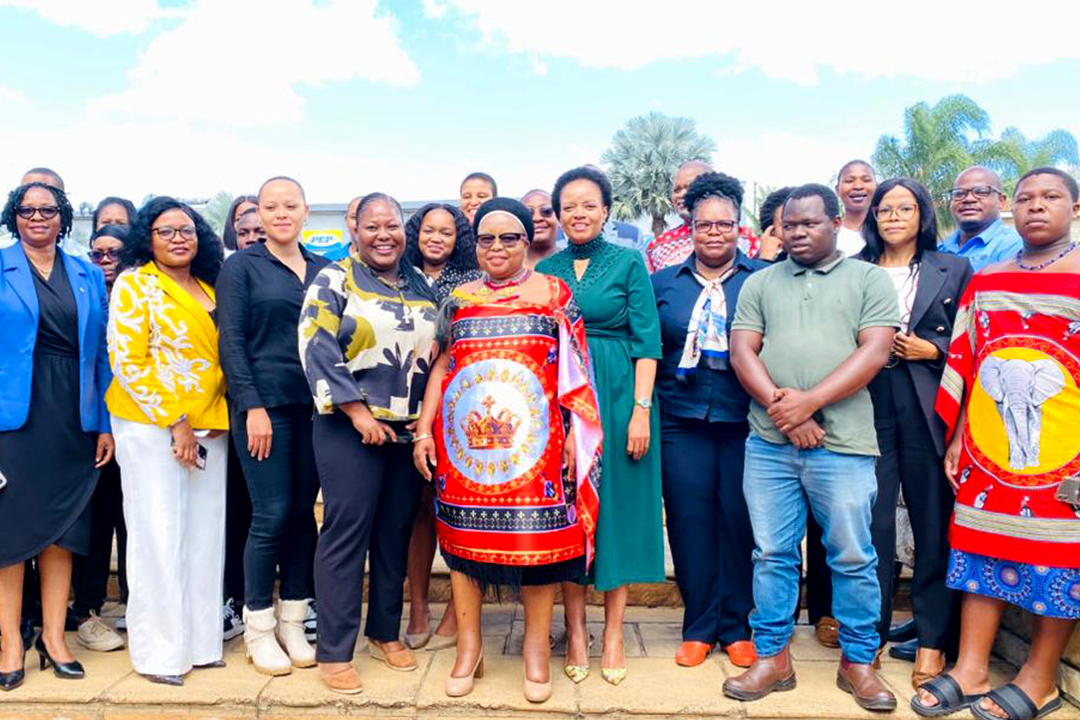
EZULWINI– The Ministry of Tourism and Environmental Affairs on 10 March 2026 hosted a sensitisation workshop at the Happy Valley Hotel & Casino to educate journalists and government communication officers about the Nuclear Radiation and Safety Act No. 17 of 2025 and its role in safeguarding public health and the environment.
The workshop aimed to equip media practitioners with the knowledge required to report accurately on nuclear and radiation safety. It also sought to improve public understanding of how radiation technologies are safely used in sectors such as healthcare, agriculture and industry.
Opening the workshop, Minister of Tourism and Environmental Affairs Jane Mkhonta-Simelane said the legislation provides a comprehensive regulatory framework to ensure that all activities involving radiation sources are conducted safely and responsibly.
She explained that the law is particularly important because radiation technologies are already widely used in modern life, especially in hospitals where X-rays and other diagnostic tools help doctors detect and treat illnesses.

“I understand that when the term nuclear is mentioned it can evoke strong reactions,” said Mkhonta-Simelane. “Our role, however, is not to sensationalise the term but to educate and ensure the safety of our nation and its people.”
The minister explained that the Act introduces strict licensing, inspection and enforcement mechanisms to regulate the use, storage, transport and disposal of radiation sources and radioactive materials. These measures are designed to ensure that institutions using such technologies operate within clearly defined safety standards.
“This Act is a proactive step towards robust regulation, ensuring that any activities involving nuclear materials or radiation sources are handled within the highest standards of safety for human and environmental protection,” she said.
Radiation technologies play a vital role in modern healthcare. Medical imaging tools such as X-rays allow doctors to diagnose fractures, internal injuries and diseases without invasive surgery. Globally, advanced treatments such as radiation therapy and proton therapy are also used to target and destroy cancer cells with precision.
However, experts emphasise that radiation must be carefully managed to prevent harm. High levels of radiation can damage human cells and DNA, potentially leading to cancer or other serious health conditions if exposure is not properly controlled.
Because of these risks, international organisations such as the International Atomic Energy Agency promote strict global safety standards to ensure that nuclear science is used only for peaceful and beneficial purposes.
Mkhonta-Simelane said the new legislation aligns Eswatini’s regulatory practices with international safety standards and strengthens the country’s ability to monitor institutions that use radiation technologies. The law also works in conjunction with environmental regulations to ensure that any project involving radiation undergoes a proper environmental assessment before approval.
Through this process, authorities evaluate potential impacts on land, water and surrounding communities while also reviewing emergency preparedness plans and waste management procedures. Radioactive waste management is considered one of the most critical areas of regulation because radioactive materials can remain hazardous for long periods. Improper disposal could contaminate soil, water sources and ecosystems.
The workshop also highlighted the importance of effective communication in building public trust around nuclear technology. The minister told participants that journalists play a critical role in helping the public understand complex scientific and legal issues.
“You are the conduits of information and the trusted voices that will translate complex legislation into understandable terms for the public,” she said.
She encouraged media practitioners to focus on factual reporting and avoid speculation, noting that misinformation about nuclear technology can create unnecessary fear among the public.
“The strength of this Act lies in public understanding and acceptance. Your accurate reporting will help people understand both the benefits and the safeguards in place,” she added.
Mkhonta-Simelane emphasised that government remains committed to ensuring that radiation technologies continue to support national development while maintaining the highest safety standards. These technologies are increasingly used around the world in medicine, agriculture, research and industry, where they contribute to improved healthcare, stronger food production and scientific innovation.
Declaring the workshop officially open, the minister called for continued collaboration between government institutions, regulators and the media to ensure the successful implementation of the law.
She stressed that an informed public is essential for maintaining a safe and responsible system for the use of radiation technologies.
“Our nation must be protected not only by strong legislation but also by an informed and confident citizenry,” she said. “Together we must ensure that nuclear science continues to serve the health, safety and development of our people.”
#Eswatini #RadiationSafety #NuclearRegulation #PublicHealth #EnvironmentalProtection