


BY ZINHLE DLAMINI (INTERN)
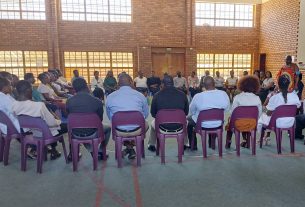
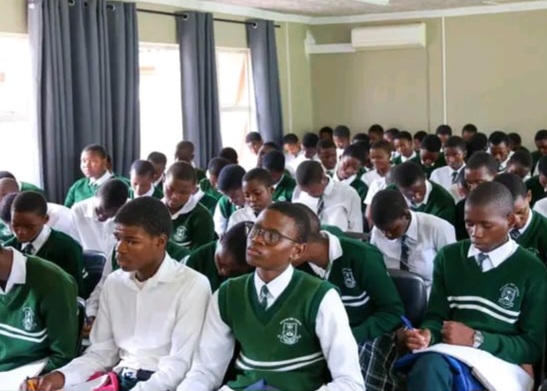
MBABANE – Learners from Nyetane High School recently visited the Eswatini National Museum where they explored the country’s rich cultural heritage and traditions during an educational tour designed to complement classroom learning.
The visit formed part of the museum’s cultural education programme, which aims to assist learners as they prepare for their end-of-year examinations while strengthening their appreciation and understanding of emaSwati history and traditions.
During the tour, the learners visited different sections of the museum and were introduced to several aspects of Eswatini’s cultural heritage. Museum facilitators guided them through exhibitions highlighting important cultural ceremonies such as Umtsimba and Incwala, explaining their meaning and significance within emaSwati traditions.
Learners also explored displays featuring traditional attire known as imvunulo. Facilitators explained the symbolism behind the garments worn during cultural celebrations and ceremonies, helping learners understand how clothing reflects identity, pride and respect within the nation’s traditions.

In addition, the learners were introduced to traditional cuisine commonly referred to as kudla kweSiSwati, which reflects the country’s indigenous food heritage. The discussions highlighted how food traditions have been preserved across generations and continue to play an important role in cultural gatherings and community life.
The tour also touched on cultural practices associated with Bayeni, giving learners insight into traditional structures and roles within the Swazi cultural system. Museum officials explained how these customs have been carefully preserved and remain central to the cultural identity of the Kingdom.
Officials at the Eswatini National Museum said educational tours such as this are designed to provide learners with practical exposure to cultural knowledge that goes beyond textbooks. By seeing artefacts, historical displays and cultural exhibitions first-hand, learners are able to develop a deeper understanding of the traditions that shape Eswatini’s identity.
Teachers who accompanied the learners expressed appreciation for the initiative, noting that experiential learning helps learners grasp cultural concepts more easily. They said the opportunity to observe and engage with cultural materials directly enhances the learning experience and encourages curiosity among students.
The museum continues to encourage schools across the country to participate in educational tours, emphasising that cultural education plays a vital role in preserving national heritage and inspiring young people to value the traditions that define Eswatini.
#CulturalEducation #EswatiniHeritage #MuseumLearning #YouthEducation