



BY LINDELWA MYENI
MBABANE– More than 400 volunteers are being trained by Umvalo Wesive (NDRMA), in partnership with the Eswatini Water Services Corporation (EWSC) and the University of Eswatini (UNESWA), to strengthen drought monitoring and early warning systems through the integration of Indigenous Knowledge and scientific information.
The training seeks to strengthen community participation in drought preparedness by equipping volunteers with the skills to observe, record and report environmental signs that may provide useful information on changing weather conditions.
Volunteers are being introduced to indigenous indicators such as birds, animals, plants, clouds, wind and the moon, which have traditionally been observed by communities to anticipate changes in weather patterns.
Umvalo Wesive Acting Chief Executive Officer Sandile Shongwe said Indigenous Knowledge remained a valuable resource that needed to be documented and preserved before it was lost.
Shongwe said the initiative would create an opportunity to bring together knowledge passed down through generations and modern scientific approaches to improve the country’s early warning systems.
Senior citizens participating in the programme have already shared observations about different bird species, including their behaviour and calls, which communities have traditionally associated with particular weather conditions.
The sharing of this knowledge is also expected to strengthen intergenerational learning, giving younger people an opportunity to learn from elders while ensuring that indigenous practices are recorded for future use.
The initiative forms part of efforts to enhance drought preparedness as the country continues to monitor the possible effects of El Niño.
Through the establishment of a Citizen Science Network, communities will be encouraged to actively contribute observations that can complement scientific data and assist authorities in identifying potential drought risks at an early stage.
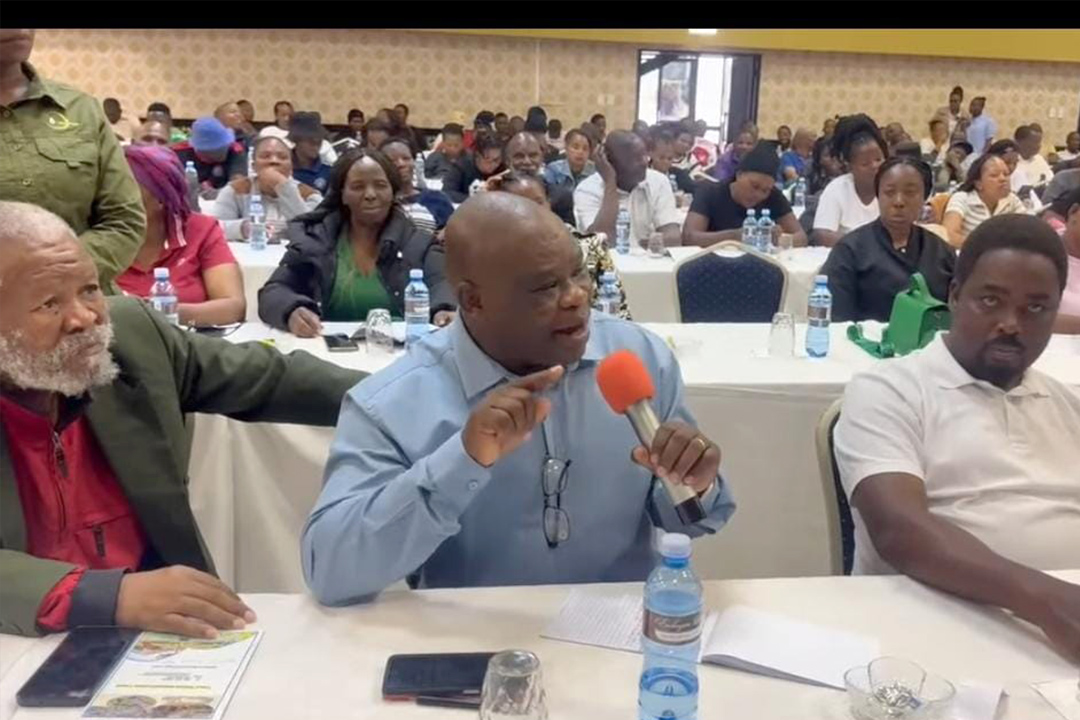
The two-day meeting held at Esibayeni Lodge in Matsapha brought together stakeholders and community representatives to discuss the application of Indigenous Knowledge Systems in drought monitoring and ways of strengthening citizen participation.
The programme is expected to give communities a greater role in disaster risk reduction while improving the flow of local information that can support early action and protect livelihoods.
#DroughtPreparedness #IndigenousKnowledge #EarlyWarningSystems #CitizenScience #UmvaloWesive
(Courtesy Pic)