



BY SIFISO NHLABATSI
MBABANE- The proposed Privileges (Amendment) Bill, 2025 has reached Cabinet for consideration following the completion of extensive legal and stakeholder consultations, marking a significant step towards strengthening the legal framework governing the functions, immunities and responsibilities of Members of Parliament.
According to Parliament’s First Quarter Performance Report for the 2026/27 financial year, the Bill is currently undergoing Cabinet-level review before it can be tabled in Parliament for debate.
The proposed legislation is intended to modernise the country’s parliamentary privileges framework while balancing the protection of Members of Parliament with the need to promote accountability and preserve the integrity of the legislative institution.
Parliament said the drafting process involved comprehensive legal scrutiny to ensure that the proposed amendments fully comply with the Constitution of the Kingdom of Eswatini and reflect internationally accepted legislative standards.
A key feature of the process was extensive engagement with the Office of the Attorney General, which provided legal guidance throughout the drafting and review stages.
According to the report, the Attorney General’s Office worked closely with Parliament to ensure the Bill is constitutionally sound, clearly drafted and free from legal ambiguities that could undermine the rule of law.
Parliament also consulted parliamentary committees and other key stakeholders whose recommendations were incorporated into the revised draft before it was submitted to Cabinet.
The report states that Cabinet is expected to review the legislation and provide any further input before the Bill proceeds to Parliament for formal debate and consideration.
The Privileges (Amendment) Bill forms part of Parliament’s broader legislative reform agenda pursued during the first quarter of the financial year.
During the reporting period, Parliament also processed several key fiscal and administrative reform Bills aimed at strengthening the country’s economy and governance systems. These included the Customs and Excise (Amendment) Bill, the Value Added Tax (Amendment) Bill, the Income Tax (Amendment) Bill, the Eswatini Revenue Service (Amendment) Bill, the Members of Parliament and Designated Office Bearers Pension (Amendment) Bill and the Fuel Tax (Amendment) Bill.
Overall, Parliament reported that its two Chambers continued fulfilling their constitutional mandate by debating and passing 16 Bills and six pieces of subordinate legislation during the reporting period while continuing to process additional Bills and international instruments awaiting consideration.
Looking ahead to the second quarter, Parliament plans to maintain momentum by supporting ongoing committee inquiries, strengthening oversight activities through stakeholder engagement and field visits, expanding regional and international parliamentary cooperation and improving the use of digital technologies in committee operations.
The report concludes that although Parliament continues to face resource constraints and increasing workloads, it remains committed to strengthening democratic governance, improving legislative quality and ensuring that laws enacted by Parliament promote accountability, transparency and national development.
#PrivilegesBill #ParliamentEswatini #Legislation #Cabinet #RuleOfLaw #Governance #Constitution #LawReform #Accountability #Eswatini
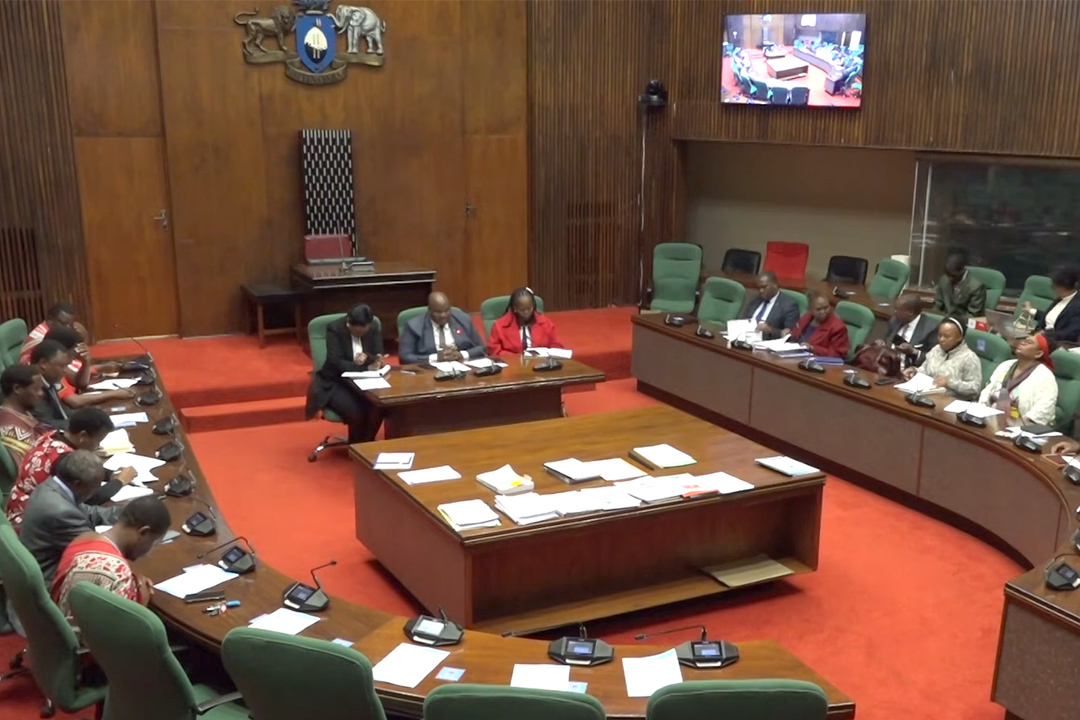
(Courtesy Pic)