


BY SIFISO NHLABATSI
MBABANE– Individuals convicted of committing offences under the Public Procurement Act, 2011 risk a fine of up to E10 million, imprisonment for up to 10 years, or both, as the Eswatini Public Procurement Regulatory Agency (ESPPRA) intensifies efforts to enforce the law.
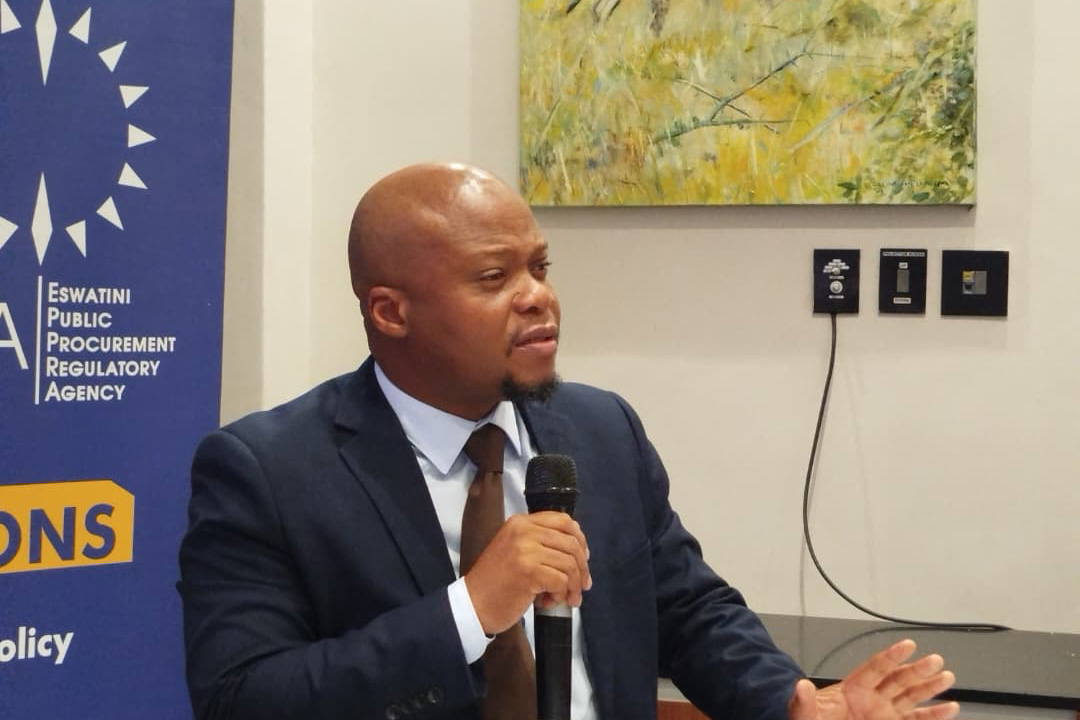
The penalties are provided for under Section 63 of the Act, which deals with consequences for offences outlined in Section 62. The provisions were central to discussions during a multi-stakeholder workshop convened by ESPPRA at Hilton Garden Inn on Friday, bringing together institutions responsible for procurement oversight, investigations, prosecution and accountability.
The workshop was facilitated by Judge Cyril Maphanga, who guided participants on the legal and practical considerations involved in handling suspected procurement offences.
Section 62 covers a range of prohibited conduct, including corrupt, fraudulent, collusive and coercive practices, obstruction of procurement oversight officials, interference with officials performing their duties and dishonest or reckless abuse of office by public officers or politicians.
The Act also criminalises the unauthorised disclosure of procurement information and contraventions of its provisions or procurement regulations.

Under Section 63, a court of competent jurisdiction may additionally order a convicted person to compensate a procuring entity for damage suffered as a result of the offence. The compensation is treated as a civil debt payable to the affected entity.
The legislation further provides that consistent contraventions by a procuring entity or an individual must be reported to relevant budget and oversight authorities and service commissions, where appropriate, and recorded in the Agency’s annual report.
ESPPRA Chief Executive Officer Vusumutiwendvodza Matsebula said the Agency was committed to enforcing the criminal provisions and referring substantiated violations to relevant law enforcement authorities for investigation and possible prosecution.
The workshop sought to establish a coordinated approach to translating procurement findings into cases that can be lawfully investigated and prosecuted.
Participants included representatives of the Royal Eswatini Police Service, Anti-Corruption Commission (ACC), Office of the Director of Public Prosecutions, Attorney General’s Office, Office of the Auditor General, Internal Audit Office, Independent Review Committee, Ministry of Finance and ESPPRA.
Discussions focused on evidence requirements, referral procedures, institutional responsibilities and the distinction between administrative procurement disputes and suspected criminal conduct.
The initiative is intended to strengthen compliance, protect public resources and promote accountability in the use of public funds.
#ESPPRA #PublicProcurement #Accountability #GoodGovernance #Eswatini