



BY SIFISO NHLABATSI
MBABANE– The Eswatini Public Procurement Regulatory Agency (ESPPRA) faces institutional limitations in turning suspected procurement misconduct into criminal prosecutions, with investigations and referrals depending on cooperation with law enforcement agencies and prosecutors.
This emerged during a stakeholder workshop on the enforcement of Sections 62 and 63 of the Public Procurement Act, 2011, held at Hilton Garden Inn on Friday and facilitated by Judge Cyril Maphanga.
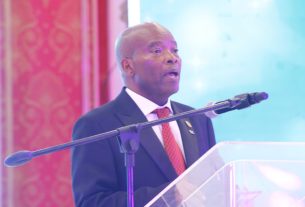
In his presentation, Maphanga explained the respective roles of ESPPRA, the Anti-Corruption Commission (ACC) and the Office of the Director of Public Prosecutions (DPP) in handling suspected corrupt and fraudulent procurement practices.
He said ESPPRA’s regulatory and investigative work could identify potential criminal misconduct, but the Agency does not have the power to prosecute criminal cases. Suspected offences must therefore be referred to the appropriate institutions for further investigation and consideration of prosecution.

Maphanga highlighted the ACC’s powers under Section 10 of the Prevention of Corruption Act, 2006, which allow it to investigate suspected corrupt practices in public and private organisations, including public procurement.
He explained that the Commission’s powers include following evidential trails and, subject to the applicable legal requirements and judicial oversight, seeking warrants to search premises and seize evidence or assets. It may also pursue preservation orders to prevent documents or assets from being concealed, destroyed or dissipated.
According to the judge, these powers could complement ESPPRA’s investigative capacity, particularly where procurement cases require extensive evidence gathering or the preservation of suspected proceeds of corruption.
However, he noted that the ACC retains discretion over whether to pursue further investigations following a referral, while the DPP has the ultimate discretion to decide whether a case should proceed to prosecution.
This creates a need for effective coordination among institutions to ensure that procurement findings are sufficiently supported before they are referred and that cases are appropriately followed up.
The workshop was convened by ESPPRA Chief Executive Officer Vusumutiwendvodza Matsebula as part of efforts to operationalise the criminal enforcement provisions of the Public Procurement Act.
Representatives from the Royal Eswatini Police Service, ACC, DPP, Attorney General’s Office, Office of the Auditor General, Internal Audit Office, Independent Review Committee, Ministry of Finance and ESPPRA attended the meeting.
The discussions sought to establish clear referral procedures, strengthen information sharing, clarify institutional responsibilities and improve feedback on cases submitted for further action.
The intended outcome is a practical framework to help institutions handle suspected procurement offences lawfully and consistently, while protecting public resources and upholding fairness.
#ESPPRA #PublicProcurement #AntiCorruption #LawEnforcement #Accountability #Eswatini