

BY THEMBA ZWANE

MBABANE– Eight local football clubs are set to share E7.729 million from FIFA’s Club Benefits Programme, but the impending payout is raising important questions about transparency, eligibility criteria and whether Eswatini football is maximising opportunities available through international football funding mechanisms.
According to details released by the Eswatini Football Association (EFA) ahead of last Thursday’s kick-off, the money forms part of FIFA’s revised distribution model aimed at compensating clubs that release players for national team duty during World Cup qualifying campaigns.
The programme is linked to the 2026 FIFA World Cup qualifiers, with FIFA having significantly increased the overall fund available to clubs worldwide. FIFA approved the new framework in March 2025, increasing the allocation from the 2022 edition by 70 per cent to US$355 million (approximately E5.78 billion).
Of that amount, around E1.8 billion (US$100 million) has been earmarked for clubs contributing players during the preliminary qualifying rounds, a category under which Eswatini clubs fall.
However, while the headline figure of E7.729 million appears to represent a financial boost for local football, scrutiny of the distribution model reveals that not all clubs benefit equally, and some stand to receive substantially more than others.
Who gets what – and why?
FIFA’s guidelines stipulate that payments are based strictly on the number of appearances made by players during qualifying matches. Only footballers included in the official 23-player matchday squad qualify, with clubs receiving approximately E39 000 per player per match.
This means clubs with a stronger presence in the national team setup are rewarded disproportionately.
Based on the figures provided by EFA, Royal Leopard emerge as the biggest beneficiaries, with the Matsapha-based side expected to receive approximately E1.833 million after accumulating 47 player appearances during the qualifying campaign.
They are followed by:
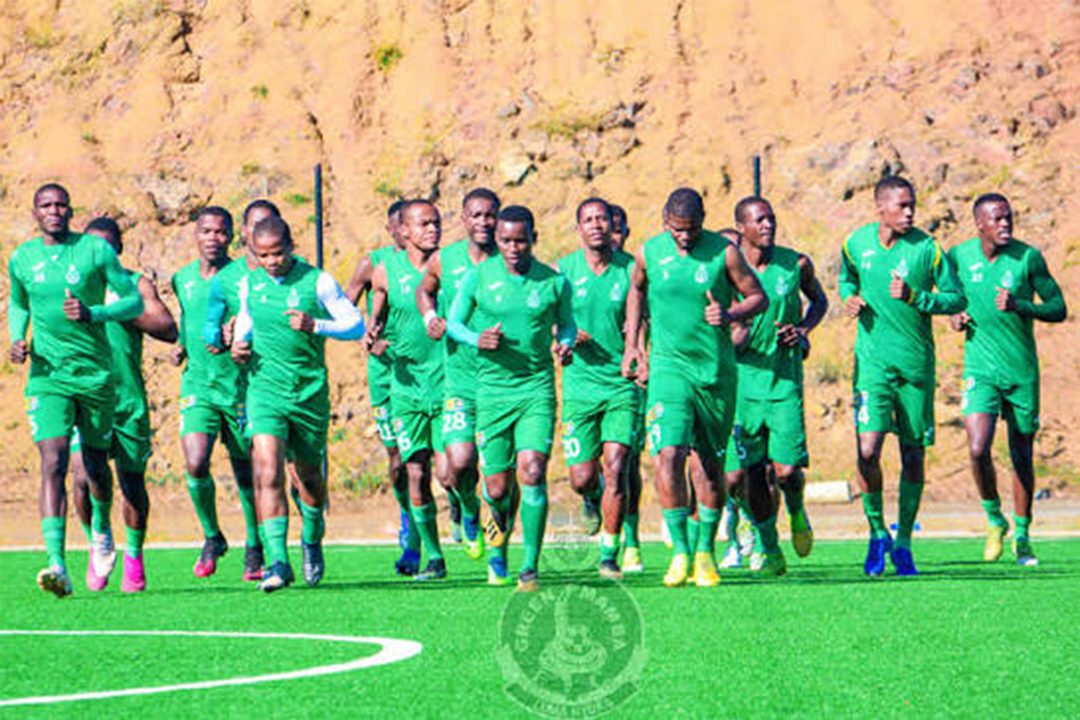
Green Mamba – E1.404 million (36 appearances);
Nsingizini Hotspurs – E1.482 million (38 appearances);
Young Buffaloes – just over E1 million (27 appearances).
Other clubs set to benefit include Manzini Sea Birds, Mbabane Swallows, Moneni Pirates, Mbabane Highlanders, as well as several clubs outside the country’s top-flight league structure.
The disparities have sparked debate over whether the programme inadvertently widens the gap between financially stronger clubs and their less-resourced counterparts.
Concerns over accountability
While FIFA has outlined the principles governing the payments, there remains limited public information regarding how the funds will ultimately be utilised once deposited into club accounts.
There are currently no publicly available conditions compelling beneficiary clubs to channel the money towards youth development, infrastructure improvements, player welfare or debt reduction.
Critics argue that without robust accountability measures, the programme risks becoming another cash injection whose long-term impact on football development cannot be measured.
The issue is particularly relevant in Eswatini, where many clubs continue to grapple with operational challenges, delayed player payments and inadequate development structures.
Verification process under way
FIFA has indicated that clubs must first validate preliminary player appearance records before payments are finalised.
Registration invitations are expected to be dispatched this month, with clubs required to enrol on FIFA’s online platform and verify the data submitted on their behalf.
Only after this process has been completed will FIFA begin processing the funds.
The global football governing body has indicated that payments to clubs are expected to be concluded by the end of 2026.
Missed opportunities?
The latest payout also raises broader questions about Eswatini’s ability to leverage international football programmes.
The country finished bottom of Group D during the World Cup qualifying campaign under former national team coach Croatian Zdravko Logarusic, collecting just one point from 10 matches.
Ironically, despite the disappointing results on the field, clubs are now set to benefit financially from the same campaign.
This has prompted some observers to ask whether a more competitive national team performance could have generated even greater rewards for the domestic game.
Bigger picture
During the previous World Cup cycle, clubs in Africa received notable payouts through the same initiative, with Wydad Casablanca of Morocco earning E23.27 million, while Espérance de Tunis of Tunisia received E8.65 million.
The scale of those figures highlights the financial opportunities tied to sustained national team participation and player development.
For Eswatini clubs, the E7.729 million windfall represents welcome relief in an increasingly difficult economic environment.
Yet the real test may not lie in the amount received, but in how effectively the money is invested to strengthen the foundations of local football.
As clubs prepare to receive the FIFA funds, stakeholders will be watching closely to determine whether the payout becomes a catalyst for meaningful development — or merely a short-term financial reprieve.
#FIFA #WorldCup #Qualifiers #Funding #Eswatini #Football #LocalClubs


