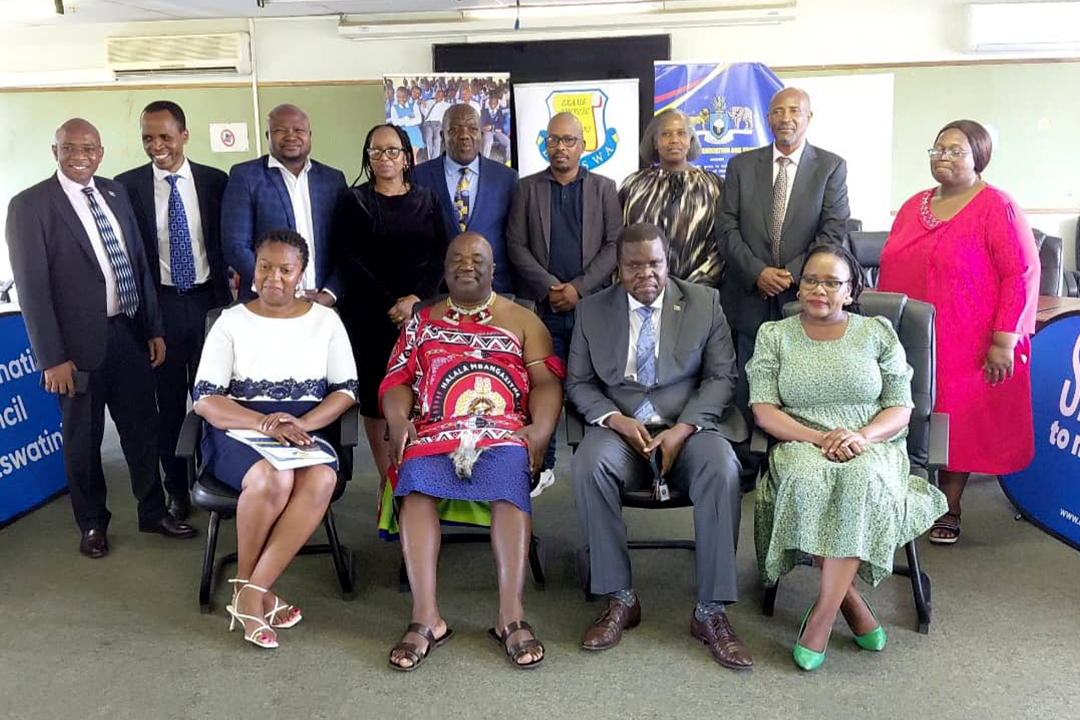



BY MBONO MDLULI
MBABANE– The release of the 2025 Junior Certificate (JC) examination results paints a largely encouraging picture of Eswatini’s education system, marked by increased learner participation, improved attendance and steady performance across key pass categories.
One of the most notable achievements of the 2025 examinations is the rise in candidature. A total of 17 674 candidates registered for the JC examinations, up from 16 777 in 2024. This 4.74 per cent increase reflects growing confidence in the education system and improved access to schooling across the country. Of those registered, 17 365 candidates sat for the examinations, compared to 16 513 the previous year, further underscoring the expanding reach of secondary education.
Attendance also showed positive movement. The number of absent candidates dropped from 356 in 2024 to 309 in 2025, signalling stronger learner commitment, effective school monitoring and increased parental involvement in ensuring that candidates complete the examination process.
Nationally, the pass rate stood at a solid 82.07 per cent. While this figure represents a slight dip from the 83.15 per cent recorded in 2024, it remains a strong outcome considering the increased number of candidates who sat for the examinations. The results demonstrate the resilience of the education system in maintaining quality outcomes amid growing enrolment.
Performance across pass categories revealed encouraging trends, particularly in learner progression. Merit passes increased to 844 in 2025, up from 699 in 2024, representing a notable improvement in top-performing candidates. This growth reflects enhanced academic excellence and the impact of sustained efforts by teachers and schools to nurture high achievers.
The number of second-class passes also rose, with 8 932 candidates attaining this category in 2025 compared to 8 742 in the previous year. This increase highlights improved overall learner performance and suggests that more students are mastering the core competencies required at this level. Similarly, third-class passes climbed to 2 845 from 2 625 in 2024, indicating steady academic progress among a broader group of learners.
Although the number of candidates who did not meet the pass requirements increased slightly to 3 114, this outcome must be viewed in the context of significantly higher candidature. Education stakeholders have emphasised the importance of targeted support programmes to ensure that no learner is left behind as the system continues to expand.
Overall, the 2025 JC results reflect meaningful progress within Eswatini’s education sector. Increased participation, improved attendance and growth across several performance categories point to a system moving in the right direction. With continued investment in teaching quality, learner support and school infrastructure, the foundation has been laid for even stronger outcomes in the years ahead.