


By Mbono Mdluli
MBABANE – While other regions are engaging in different activities to develop themselves, the Shiselweni Region met to find ways to protect civilian lives and properties from wild fires within the region.
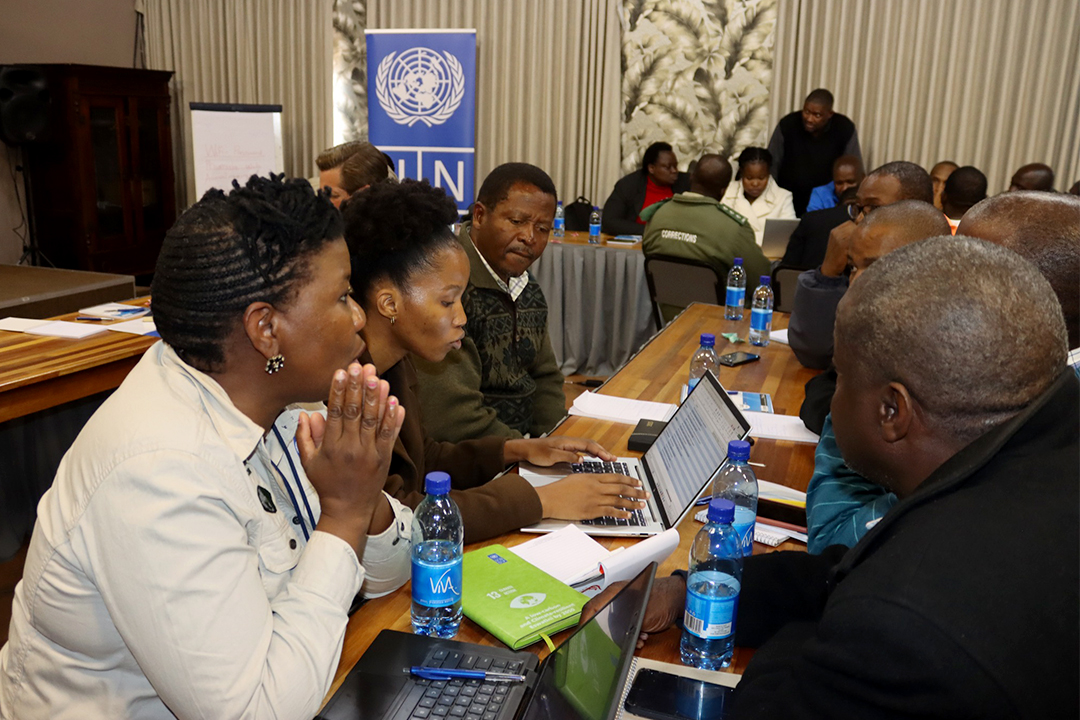
On June 25, 2025, stakeholders from the Shiselweni Region convened in Nhlangano to address the increasing threat of veld fires and enhance disaster preparedness. This meeting, organised by the National Disaster Management Agency (NDMA), brought together community members, forestry companies, government departments, security agencies, and civil society organisations to collaborate on effective solutions.

Current Fire Incidents
Eswatini has reported a total of 87 fire incidents this year, with seven occurring in Shiselweni. Mandla Dlamini from the Eswatini National Fire and Emergency Services highlighted the challenges posed by the fragmented legal framework governing fire management. He pointed out that outdated legislation, such as the Grass Fire Act of 1955, fails to address contemporary realities, including the minimal fines that do not deter fire-related offenses.
Community Engagement and Solutions
While fires in forest plantations are reportedly declining, community-linked fires are on the rise. Themba Hlophe from the Shiselweni Fire and Timber Association noted that partnerships with local communities have been beneficial. An innovative incentive system for honey harvesters encourages safer practices, allowing forestry companies to assist in harvesting without resorting to uncontrolled fires.
National Fire Management Plan
The NDMA, in collaboration with the United Nations Development Programme (UNDP), is developing a national fire management plan that will encompass all four regions of Eswatini. UNDP’s Resident Representative, Henrik Franklin, emphasized the importance of viewing community members as partners in fire management rather than just victims. He advocated for the adoption of successful private sector strategies, such as early warning systems and community training, to enhance national fire preparedness.

Call for Grassroots Participation
Gcebile Dlamini from the NDMA stressed the need for grassroots involvement, particularly among the youth, to foster a culture of proactive disaster management. Shiselweni Regional Administrator Themba Masuku urged that the discussions lead to tangible actions on the ground, ensuring that the community is better equipped to handle fire outbreaks in the future.
Conclusion
The meeting in Nhlangano marks a significant step towards improving fire management and disaster preparedness in the Shiselweni Region. By fostering collaboration among various stakeholders and emphasizing community involvement, Eswatini aims to mitigate the risks associated with veld fires and enhance the resilience of its communities.
(Pics by : UNDP Eswatini)