


BY MFANUFIKILE KHATHWANE
LOBAMBA – Deputy Prime Minister Senator Thulisile Dladla has called for the urgent deployment of sign language interpreters across public clinics and government service centres, saying thousands of deaf and hard-of-hearing emaSwati continue to face unnecessary barriers when trying to access essential public services.
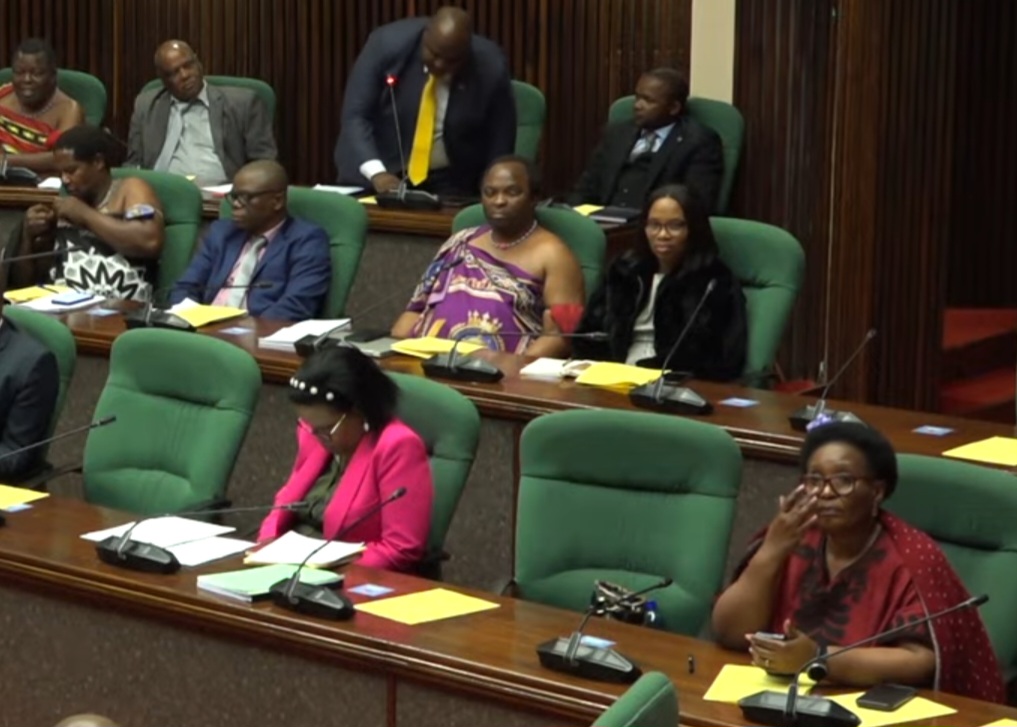
Speaking in the House of Assembly on Monday during the tabling of parliamentary reports, the Deputy Prime Minister said genuine inclusion could only be achieved when every citizen, regardless of disability, was able to communicate effectively and receive services with dignity.
She stressed that communication challenges in healthcare facilities remain one of the biggest obstacles facing persons with hearing impairments, often forcing patients to rely on relatives or other members of the public to explain sensitive medical information.
“When we speak of inclusivity, every clinic should have sign language interpreters. This is not a new issue,” Dladla told Parliament.

She urged the Ministry of Public Service to move swiftly in identifying government institutions with the greatest demand for sign language services and ensure permanent interpreters are deployed instead of temporary arrangements.
“I hope the Ministry of Public Service will look at areas where there is the greatest need for interpreters and appoint permanent personnel,” she said, adding that disability inclusion should be reflected in practical service delivery rather than remaining a policy aspiration.
The Deputy Prime Minister’s remarks came during parliamentary discussions on improving public service delivery, where Members of Parliament and Cabinet ministers acknowledged that more work remains to ensure government services are fully accessible to persons with disabilities.
Adding his voice to the debate, Lubombo Regional Member of Parliament Futhi Ngcamphalala raised concern over the experiences of persons with disabilities at referral hospitals. He proposed that government develop a comprehensive national framework within the next nine months to standardise how patients with disabilities are assisted throughout the healthcare system.
Ngcamphalala said such a framework would help improve service quality, protect patients’ rights and ensure healthcare facilities are adequately equipped to cater for people with different disabilities.
Minister of Tinkhundla Administration and Development Sikhumbuzo Dlamini also acknowledged that government still faces significant challenges in achieving fully inclusive public services. He said continued collaboration among ministries and stakeholders would be essential in removing barriers that prevent equal access to government programmes.
The parliamentary debate highlighted a growing recognition that disability inclusion should become an integral part of public sector planning, staffing and service delivery, particularly in critical sectors such as health, education and social services.
Government has already taken important policy steps through the Persons with Disabilities Act of 2018 and the National Disability Plan of Action (2024–2028), both of which seek to mainstream accessibility across health services, education, infrastructure, employment opportunities and social protection programmes.
Lawmakers believe the deployment of qualified sign language interpreters would represent a significant milestone in implementing these commitments, ensuring that persons with hearing impairments can access healthcare and other government services independently, confidently and with the dignity they deserve.