


Lawmakers call for stronger financial autonomy
BY MBONO MDLULI
EZULWINI– Members of Parliament from Southern Africa have called for the financial independence of the Organisation of African Caribbean and Pacific States Parliamentary Assembly (OACPS), emphasising that greater autonomy would strengthen its oversight role and effectiveness under the Samoa Agreement.
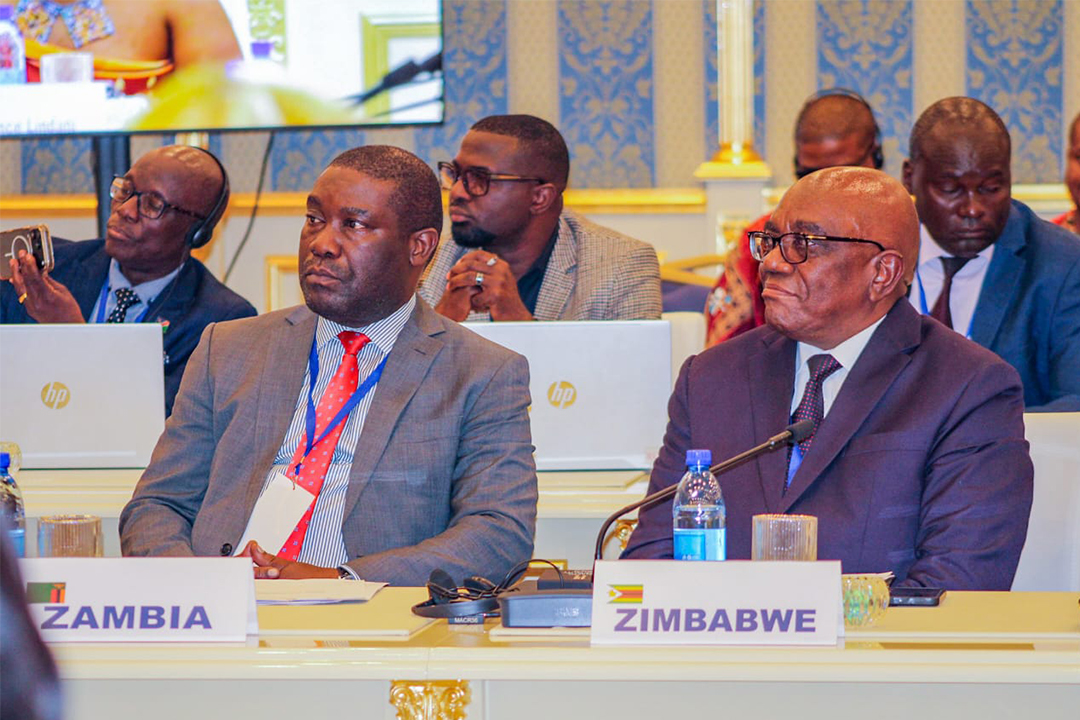
The call was made during the Southern African Caucus meeting of the First Africa-EU Parliamentary Assembly held on Friday, 8 May 2026, at the Palazzo International Convention Centre.
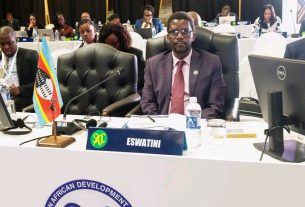
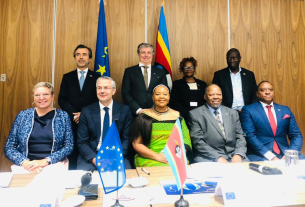
The meeting was led by Chairman of the Southern African Caucus Hon. Michael Nyambuya from Zombabwe, alongside His Royal Highness Hon. Prince Lindani, OACPS Southern Africa Secretary General Hon. Doreen Walsweer-Sore, Hon. Dr. Mbodou Moustapha Adji and His Royal Highness Prince Sazi.

Strengthening oversight and accountability
Lawmakers highlighted that financial independence is essential for the Parliamentary Assembly to fully execute its mandate, particularly in ensuring accountability and transparency in development programmes.
They referenced Article 87 of the Samoa Agreement, which underscores the importance of auditing and accountability, noting that a parliament without financial autonomy risks limiting its effectiveness.
The legislators expressed optimism that strengthening financial independence would enhance the Assembly’s ability to operate efficiently and respond to pressing regional issues.
Addressing operational challenges
Prince Lindani noted that the Assembly currently relies on voluntary contributions and support channelled through the OACPS Secretariat, as well as partnerships with institutions such as the European Union.
He explained that while such partnerships remain valuable, reliance on external funding can create delays in implementing key programmes, as activities often depend on the availability of resources.
The discussions highlighted the importance of building sustainable systems that enable the Assembly to operate more consistently and effectively.
Proposal for a sustainable financial framework
To address these challenges, Prince Lindani presented a three-pillar proposal aimed at enhancing financial sustainability and institutional autonomy.
The first pillar calls for the establishment of a dedicated statutory budget line for the Parliamentary Assembly within the OACPS framework, ensuring predictable and structured funding.
The second pillar proposes direct access to contributions from member states, reinforcing the role of parliaments in allocating resources while maintaining accountability.
The third pillar focuses on strengthening transparency through the publication of audited financial reports, economic analyses and impact assessments.
He emphasised that accountability must remain central to any move towards independence, ensuring that resources are used responsibly and effectively.
Eswatini’s commitment to supporting reforms
Prince Lindani indicated that Eswatini stands ready to support the initiative, particularly through its parliamentary finance structures, which could assist in developing robust accountability mechanisms.
He reiterated that parliaments play a critical role in overseeing public resources, legislating and safeguarding the interests of citizens. Prince Lindani’s submissions were echoed by his fellow MPs, who emphasised that there was a need for the autonomy so that Africa could be able to implement its objectives without interference.
Advancing regional cooperation and sovereignty
The meeting concluded with a shared commitment to strengthening the OACPS Parliamentary Assembly as a credible and effective institution capable of supporting development across member states.
Lawmakers agreed that enhancing financial independence would enable the Assembly to make informed, sovereign decisions while reinforcing partnerships built on mutual respect and shared goals.
The call for reform reflects a broader vision of empowering regional institutions to better serve citizens and contribute to sustainable development across Africa, the Caribbean and the Pacific.
(Courtesy Pic)