



BY MFANUFIKILE KHATHWANE
EZULWINI – Various Stakeholders from business, government and civil society have urged the Eswatini Electricity Company (EEC) and the Eswatini Energy Regulatory Authority (ESERA) to carefully consider the economic, social and operational impact of the proposed average electricity tariff increase of 20.67%.
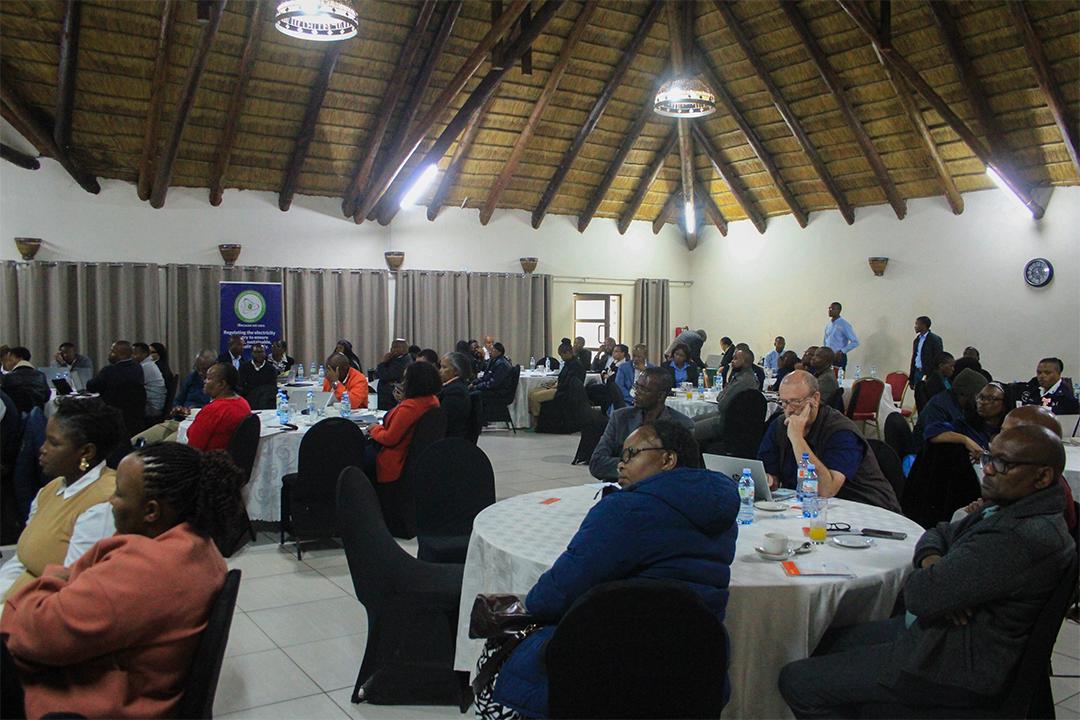
The concerns were raised during a public consultation held at Sibane Sandal Hotel in Ezulwini, convened by ESERA as part of its tariff review process for the 2026/27 financial year.
Business leaders warned that rising electricity costs could weaken productivity and threaten employment. Gavin Adamson, Managing Director of Exipro, said manufacturing companies were already under immense pressure to remain competitive in the global market, where electricity costs form a major component of production expenses.
He cautioned that sharp tariff increases could make it difficult for local industries to operate sustainably, potentially leading to factory closures and job losses. Adamson further stressed the need for a clear and consistent national energy strategy that balances household access to electricity with the survival of industry.

From a social development perspective, Tiyandza Mavuso, a Social Welfare Officer from the Deputy Prime Minister’s Office, highlighted the potential impact of the tariff increase on vulnerable groups. She noted that disability grants and other social assistance programmes are already stretched, and higher electricity costs could further reduce disposable income for beneficiaries, raising concerns around household welfare and mental health.
The education sector also raised operational concerns. Ncamsile Mtshali, a US Administrator at the Ministry of Education, said public schools face growing pressure from rising utility costs. She explained that electricity expenses are often not adequately catered for in school budgets, which are primarily allocated for teaching and learning needs, potentially compromising service delivery.
Additional concerns were raised regarding customer service and affordability. One stakeholder called for enhanced customer care training for EEC field staff, alleging that some customers experience poor treatment during household visits. The stakeholder also questioned why EEC employees earn salaries significantly higher than those of general government employees, suggesting that remuneration structures should be aligned.
It was further asked whether the proposed tariff increase was aimed at recovering millions of emalangeni previously lost by the utility.
Responding to the submissions, EEC Managing Director Ernest Mkhonta acknowledged the concerns raised and explained that the proposed tariff adjustment is driven primarily by the rising cost of electricity supply, including imports, maintenance and operational expenses. He emphasised that EEC charges customers based on consumption and that without a tariff adjustment, the utility would struggle to operate sustainably.
Mkhonta also clarified that EEC provides specialised customer care and response training for employees who interact directly with customers and respond to service calls.
He revealed that during the current financial year, EEC had relied on overdraft facilities to ensure uninterrupted electricity supply to homes and businesses, describing the situation as unsustainable in the long term.
“To continue providing reliable electricity, we must meet the costs of power purchases, infrastructure maintenance and service delivery,” he said.
Mkhonta further highlighted ongoing efforts to reduce Eswatini’s reliance on imported electricity through Independent Power Producer (IPP) projects, including solar, biomass and hydropower initiatives. One hydropower project is expected to deliver its first megawatt in the first quarter of 2027, which is anticipated to significantly reduce electricity imports and ease future cost pressures.
In concluding his response, Mkhonta outlined EEC’s current financial position to justify the proposed adjustment. He revealed that as at November 2025, the utility had recorded an operating loss of E391 million, with projected cash flows to March 2026 showing a further deficit of E231 million. He attributed the situation to high electricity import costs, rising tariffs from suppliers and a significant under-recovery during the 2024/25 financial year.
He explained that these financial pressures translate into a proposed average electricity price increase of 20.67%, compared to the previously approved 7%, in order to adequately cover EEC’s additional costs for the 2026/27 financial year. He added that fixed charges, including the monthly fixed charge and access charge, are projected to increase by 4.86%, remaining relatively moderate.
ESERA confirmed that all submissions made during the consultation will be thoroughly reviewed before a final determination is made.
The engagement formed part of an inclusive and transparent regulatory process aimed at balancing affordability, economic growth, social protection and the long-term sustainability of Eswatini’s electricity supply sector.


