



BY GCWALISILE MHLABANE
MANZINI- The World Vegetable Center, through the Taiwan-Africa Vegetable Initiative (TAVI) Phase II, is continuing to strengthen food and nutrition security in Eswatini by building the capacity of agriculture teachers to effectively manage and sustain productive school gardens linked to school feeding programmes.
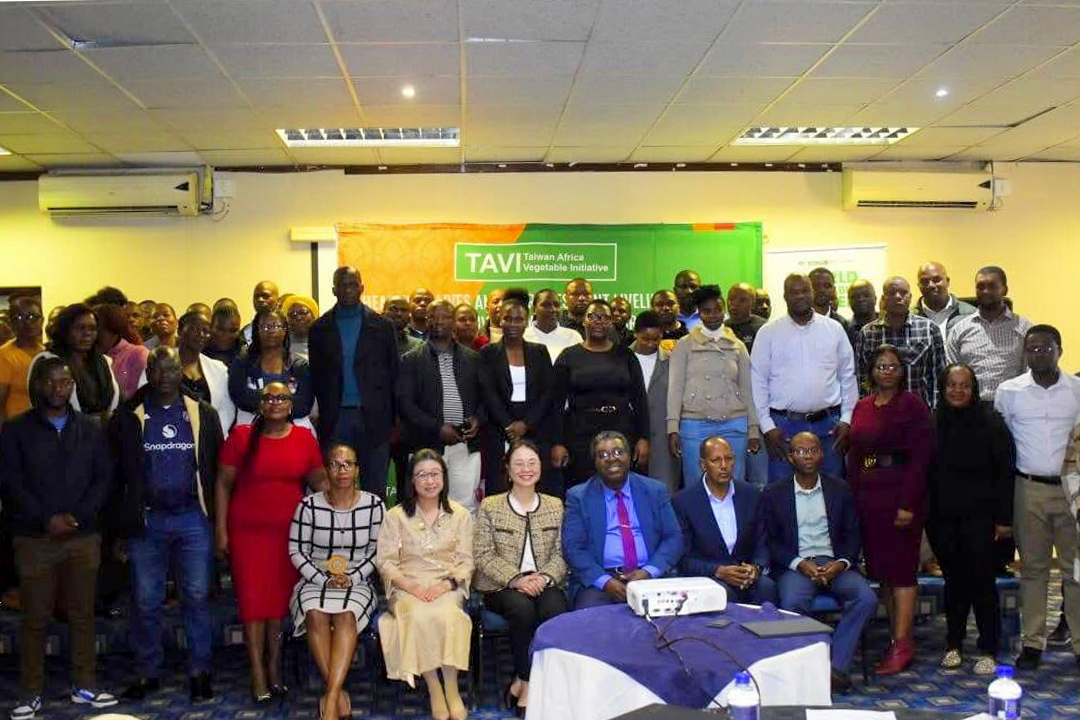
This was highlighted during a Refresher Training Workshop held on May 8, 2026, which brought together agriculture teachers from 42 primary schools across the country. The workshop focuses on improving practical skills in school garden management, Traditional African Vegetable production, and climate-resilient farming practices.
The initiative forms part of TAVI Phase II’s broader goal of improving food security, strengthening climate resilience, and promoting the production and consumption of Traditional African Vegetables (TAVs) in schools.
Agriculture teachers, who play a central role in school-based food production systems, were equipped with updated knowledge on garden planning, soil management, irrigation techniques, pest and disease control, seed saving, and integrating school gardens into nutrition education and feeding programmes.

Speaking during the workshop, Dr. Sophia Chan, Project Manager for the Taiwan-Africa Vegetable Initiative (TAVI) at the World Vegetable Center, said the programme continues to prioritise strengthening school capacity and promoting knowledge exchange among teachers.
“This year, the project has continued to work with 42 primary schools to support them in better managing their school gardens and strengthening overall garden capacity. As part of this effort, we have brought together agriculture teachers from all 42 schools to participate in today’s refresher training.
The purpose of this workshop is to refresh their knowledge, provide updated practical skills, and create a platform for teachers to share experiences and learn from one another. Through this exchange, we aim to strengthen not only individual capacity, but also collaboration among schools involved in the programme,” she said.
The training placed strong emphasis on the cultivation of Traditional African Vegetables such as amaranth, African nightshade, Ethiopian mustard, jute mallow, African eggplant, okra, and pumpkin. Teachers also received practical guidance on climate-smart agriculture techniques suitable for school environments.
A key component of the programme is strengthening the link between school gardens and school feeding initiatives, ensuring that produce grown in school gardens directly contributes to improving learners’ nutrition and wellbeing.
Senior Agriculture Inspector Nathi Dlamini, speaking on behalf of the Ministry of Education and Training Principal Secretary Nanikie Mnisi, commended agriculture teachers for their commitment and dedication.
He noted that teachers continue to play a vital role in ensuring that school gardens are productive and that their benefits extend beyond schools into surrounding communities.
From the Ministry of Agriculture, Principal Secretary Sidney Simelane encouraged a shift in mindset towards agriculture, describing it as a critical sector for national development.
He said agriculture should no longer be seen negatively, but rather as a dignified and essential sector that contributes to food security, improved nutrition, and economic growth.
The workshop is supported by the World Vegetable Center, the Taiwan Ministry of Foreign Affairs, the Ministry of Agriculture, and the Ministry of Education and Training, reflecting strong collaboration aimed at strengthening sustainable food systems in Eswatini.
Beyond technical training, the workshop also provided a platform for experience sharing among teachers from the 42 participating schools, fostering peer learning and collaboration.
Each school is expected to develop an action plan to guide the implementation, management, and sustainability of its school garden, ensuring that the knowledge gained translates into long-term impact.
As TAVI Phase II continues, school gardens are increasingly being positioned as vital learning and production spaces—helping to grow not only vegetables, but also healthier learners and more food-secure communities across Eswatini.
#TAVIPhaseII #WorldVegetableCenter #SchoolGardens #TraditionalAfricanVegetables #FoodSecurity #NutritionEducation #EswatiniAgriculture #SchoolFeedingProgramme #ClimateResilience
(Courtesy Pic)