



BY THEMBA ZWANE
EZULWINI – Minister of Finance Neal Rijkenberg has called for strengthened tax compliance as Government seeks to close an outstanding E19.48 billion gap in the E31.90 billion 2026/27 National Budget tabled in Parliament on Friday, 27 February 2026.
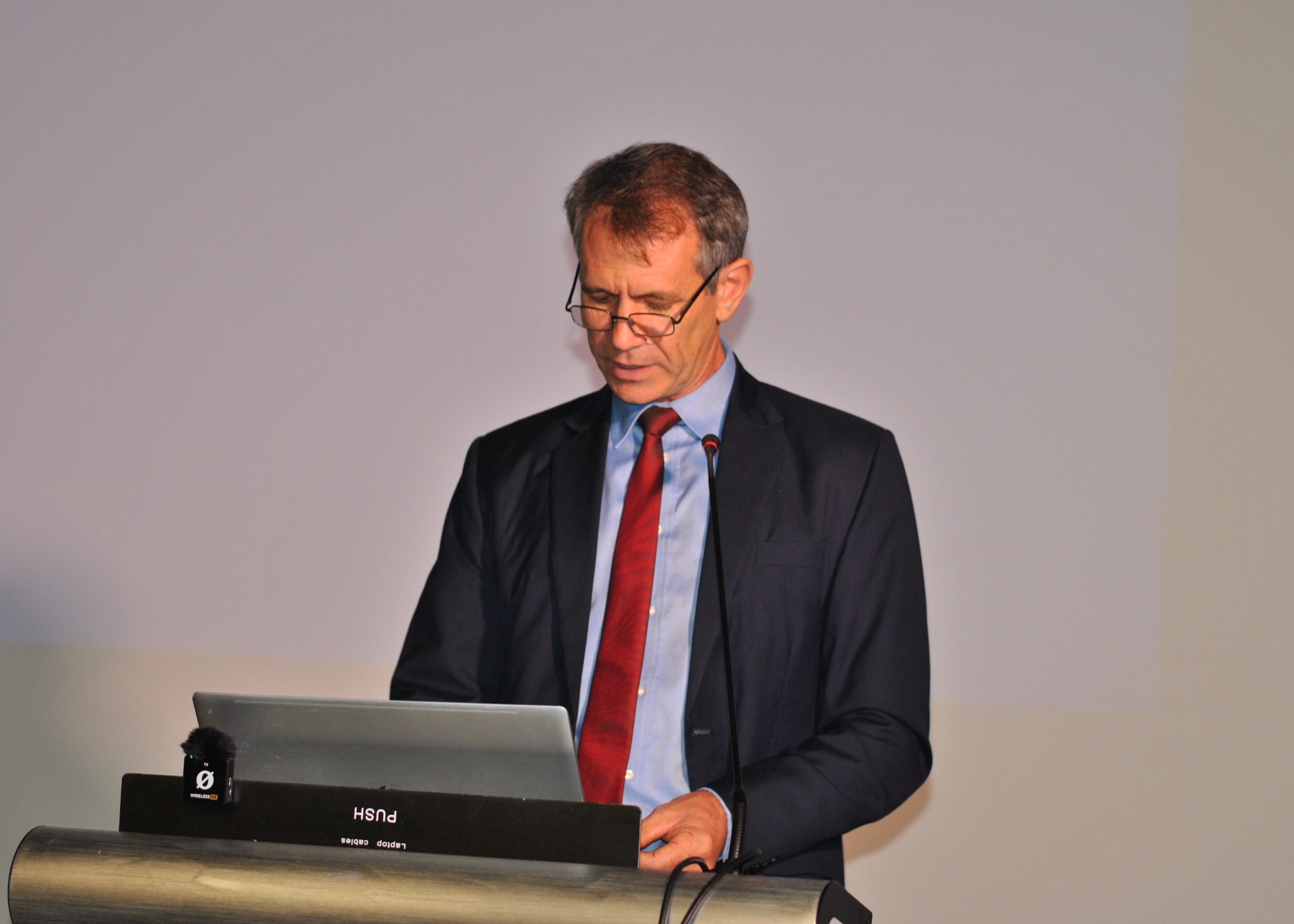
Speaking on 2 March 2026 at the auditorium of the Eswatini Revenue Service (ERS), the minister said the time for policy announcements had passed and the focus must now shift to disciplined implementation.
“I had the honour of presenting the 2026/27 National Budget to Parliament. This morning’s briefing signals that the time for policy declaration has passed, and the time for disciplined action has begun,” said Rijkenberg.
He explained that of the E31.90 billion budget, E11.7 billion is projected to come from SACU receipts, leaving E19.48 billion to be raised through domestic taxes. The cornerstone of mobilising these resources, he emphasised, is full compliance with domestic tax and customs laws.
“If we fail to strengthen compliance, we are forced to borrow to fund the budget,” he said. “Borrowing today commits future revenues to repay yesterday’s consumption. Every loan taken must be repaid with interest. That repayment will come from tomorrow’s taxpayers — our children and grandchildren.”
The minister framed the 2026/27 Budget around the principle of “Agape Love — Love in Action for Economic Transformation”, stressing that responsible revenue mobilisation is essential to avoid burdening future generations.
Government estimates the annual tax gap at approximately E4 billion — revenue that should be supporting clinics, maintaining roads, funding education, empowering youth and strengthening infrastructure.
Rijkenberg noted that non-compliance takes various forms: businesses operating without registration, submitting nil returns despite visible activity, under-declaring income, accumulating tax debt before closing and reopening under new names, or transferring substantial funds internationally without meeting tax obligations.
“That is neither fair nor sustainable,” he said, adding that compliant businesses should not be placed at a disadvantage.
To address the challenge, the Tax Compliance Certificate (TCC) Regulations, gazetted in 2022, identify 13 specific transaction points where compliance must be verified. The minister clarified that the regulations do not introduce new taxes or penalise honest businesses, but instead ensure compliance at key economic transaction points.
A Tax Compliance Certificate confirms that a person or business is in good standing with the tax system.
Enforcement, he explained, operates as a shared framework. Financial institutions must require a valid TCC before processing international fund transfers. Public and private procuring entities must verify compliance before awarding qualifying contracts or issuing purchase orders. Licensing and registration authorities must also confirm compliance before completing designated transactions.
The banking sector, he said, remains resilient, well-capitalised and liquid, with a national payment system capable of processing transfers within seconds. However, speed must be matched with integrity.
“Fast payments must not mean fast revenue leakage,” he said.
For procurement above E20 000, organisations are required to request a valid TCC. This, the minister noted, protects public funds, promotes fair competition and strengthens governance.
ERS has digitised access to the Tax Compliance Certificate, making it available online to ensure efficiency and minimise disruptions for compliant taxpayers.
Rijkenberg added that the 2026/27 Budget also strengthens anti-corruption institutions, improves digital expenditure tracking, enhances AML/CFT enforcement and reinforces transparency across Government.
“Revenue integrity complements these reforms,” he said. “A robust collection system gives Government the tools to finance dams, energy projects, MSME support, education reform and health transformation.”
As Government moves to implement the budget, the message from the Ministry of Finance is clear: responsible tax compliance is central to building a sustainable and prosperous Eswatini.