


By TANDZILE DLAMINI
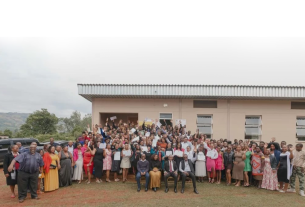
MBABABE– The Eswatini Environment Authority (EEA) joined the Eswatini Revenue Service (ERS) at the Mananga Border Post on 26 January 2026 to commemorate International Customs Day.
The event was held under the theme “Customs Protecting Society through Vigilance and Commitment.” Mananga, one of Eswatini’s busiest and best-performing ports of entry, served as the ideal venue to demonstrate the growing importance of collaboration between environmental and Customs authorities.
Speaking at the event, Thabile Dlamini of EEA highlighted the growing global threat of environmental crime and its impacts on biodiversity, public health, and national security. She emphasized the frontline role of Customs officers in enforcing Multilateral Environmental Agreements (MEAs) and preventing illegal trade that could harm ecosystems.
“Customs officers are often the first line of defense for our environment,” Dlamini said. “They verify permits, inspect goods, prevent illegal imports and exports, and support the implementation of national and international environmental laws. Their vigilance helps safeguard our ecosystems and communities.”

Since 2001, the World Customs Organization has partnered with the Green Customs Initiative to raise awareness among Customs officials about environmental protection. EEA works closely with ERS through capacity building, providing inspection tools, conducting Demeter inspections, and participating in regional border dialogues. These initiatives strengthen the ability of Customs to detect environmental crimes and enforce compliance with environmental standards.
Dlamini reaffirmed EEA’s commitment to working hand-in-hand with Customs to ensure that trade facilitation does not compromise environmental protection. “Sustainable development requires that we balance economic growth with the protection of our natural resources,” she said.
The collaboration between EEA and Customs highlights how coordinated efforts at the country’s borders can prevent illegal trade, protect biodiversity, and promote a healthier environment for all Eswatini citizens.