



BY MFANUFIKILE KHATHWANE
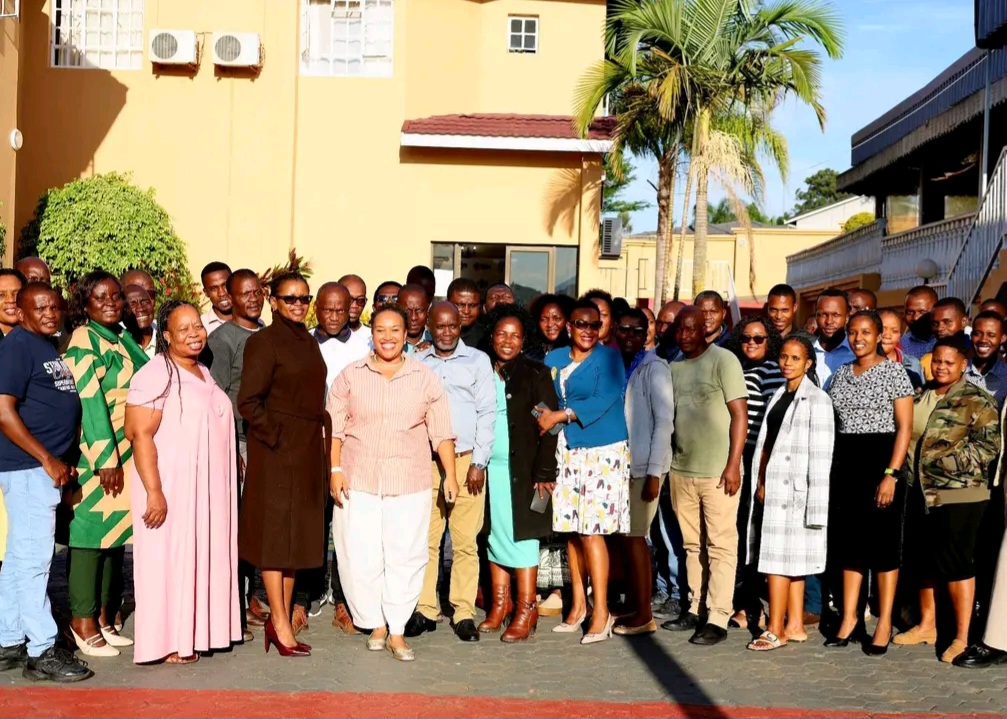
MANZINI – Teachers and headteachers have been equipped with practical skills to champion climate action in schools through the implementation of the UNESCO Green School Quality Standard.
The initiative aimed at producing environmentally responsible learners and promoting sustainable development in Eswatini.
The training workshop, which was held this week in partnership with the Mbuluzi Ecosystems Restoration Project, focused on ensuring that climate action is intentionally integrated into teaching and learning across schools.
Welcoming participants during the workshop, Dr. Charles Chikunda encouraged teachers and headteachers to actively adopt and implement the UNESCO Green School Quality Standard as a way of strengthening environmental stewardship in schools and communities.

He said the initiative was critical in empowering educators to nurture learners who are informed, responsible, and capable of contributing meaningfully towards climate resilience and sustainable development.
Dr. Chikunda explained that the UNESCO Green School framework is built on three key principles, namely holistic education, sustainability, and responsibility.
“At the centre of the Green School concept is the Whole Institution Approach, which encourages schools to integrate sustainability into every aspect of institutional culture, operations, and learning processes,” he said.
He further noted that the Green School Quality Standard is anchored on key dimensions that include school governance, facilities and operations, teaching and learning, as well as community engagement.
According to Dr. Chikunda, these dimensions collectively promote environmentally sustainable practices, active participation, and the development of learners who are committed to safeguarding the planet.
The Deputy President of the Eswatini MAB Youth Network, Phetsile Sibandze, also shared insights on the role of the network in promoting environmental stewardship, youth participation, and sustainable development initiatives among young people.
Meanwhile, Thobile Dlamini unpacked the objectives and actions of the Mbuluzi Ecosystems Restoration Project, while stressing the importance of strengthening partnerships between schools and communities in advancing climate action.
The National Curriculum Centre also highlighted the need to integrate climate action into the education system in order to prepare learners for current and future environmental challenges.
Environmental education advocate Mcatululi Mahluza shared practical examples of how schools can successfully implement sustainable practices through environmental conservation initiatives and green programmes.
The UNESCO Green School Quality Standard promotes a structured, practical, and intentional approach to climate education with the aim of producing a generation that is informed, innovative, responsible, and committed to building sustainable communities for global impact.
#ClimateAction #GreenSchools #SustainableDevelopment #EnvironmentalEducation #UNESCO #ClimateResilience #Eswatini #GreenFuture #EducationForSustainability