


BY GCWALISILE MHLABANE
EZULWINI– Eswatini is taking bold steps towards building a greener economy, creating sustainable jobs and empowering citizens to play a greater role in shaping the country’s future.
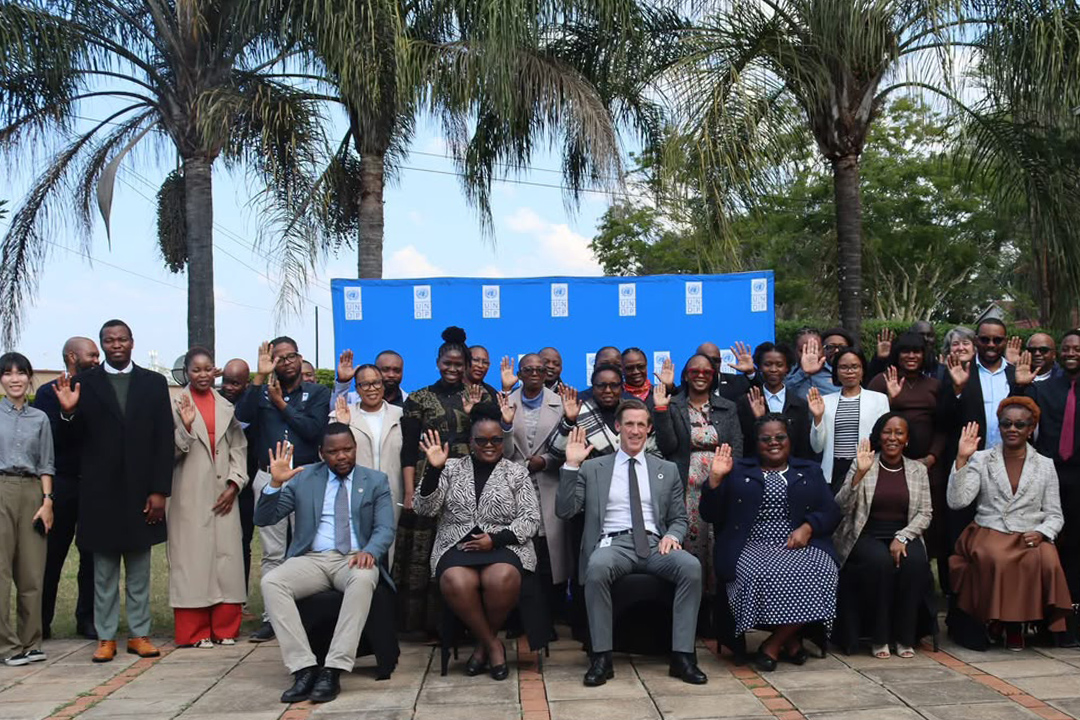
This emerged during a high-level three-day Portfolio Co-Creation Bootcamp hosted by the United Nations Development Programme (UNDP) in partnership with the Ministry of Economic Planning and Development at the Royal Villas Hotel in Ezulwini. The engagement, which runs from June 22 to 24, 2026, has brought together government officials, private sector leaders, academics, civil society organisations and development partners to explore practical solutions to some of the country’s most pressing challenges.
The gathering comes at a time when Eswatini is working to accelerate economic growth, tackle unemployment and strengthen resilience against climate change while ensuring that development benefits reach communities across the country.
Participants are focusing on how Eswatini can move beyond traditional approaches to development and embrace innovative strategies that promote inclusive growth, environmental sustainability and citizen participation. The workshop is also examining ways to strengthen institutions and create opportunities for ordinary citizens to become active contributors to national development.

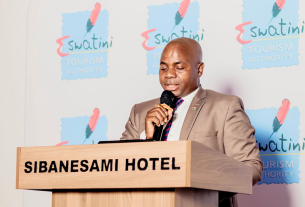
Speaking on behalf of the Principal Secretary in the Ministry of Economic Planning and Development, Principal Planning Officer Siphiwe Sibandze described the bootcamp as timely and critical for the country’s future.
She said Eswatini continues to face significant challenges, including high unemployment levels, particularly among young people, increasing economic pressures and the growing effects of climate change. According to Sibandze, these realities require bold thinking and stronger collaboration among all sectors of society.
She commended UNDP for creating a platform that allows stakeholders from different backgrounds to come together and contribute ideas that can shape the country’s development agenda.
Sibandze noted that sustainable progress can only be achieved when government, business, civil society and development partners work together towards common goals. She stressed the need for development initiatives that not only respond to current challenges but also prepare the country for future opportunities.
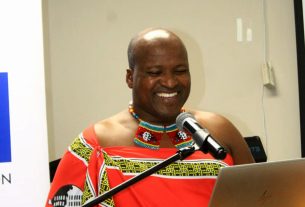
UNDP Resident Representative Henrik Franklin said the workshop represents an important milestone in designing the organisation’s Country Programme Document for 2026 to 2030.
He explained that the Portfolio Co-Creation Bootcamp forms part of a broader effort to develop a cross-sectoral portfolio that will guide UNDP’s work in Eswatini over the next five years.
Franklin emphasised the importance of moving away from isolated projects and embracing a portfolio approach that addresses multiple challenges simultaneously. He said development issues such as unemployment, climate change, economic diversification and institutional strengthening are interconnected and therefore require integrated solutions.
“We need practical and transformative ideas that can be scaled up and create meaningful impact in people’s lives,” he said.
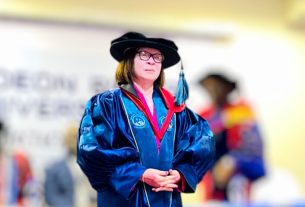
The workshop also featured systems-thinking expert Nessie Golakai-Gould, who challenged participants to look beyond visible problems and examine the deeper factors that influence development outcomes.
Using a systems-thinking framework, she demonstrated how events, patterns, power structures and societal attitudes often interact to shape economic and social realities. Understanding these dynamics, she said, is essential for developing solutions that can deliver lasting results rather than temporary fixes.
The bootcamp is being facilitated by specialists from the UNDP Regional Service Centre for Africa and is contributing to the development of Eswatini’s Prosperity Portfolio.
The initiative is expected to focus on three key priorities: strengthening institutions, advancing a diversified green economy and empowering citizens to drive transformation within their communities.
Stakeholders believe that by combining expertise from different sectors, the country will be better positioned to unlock investment opportunities, stimulate entrepreneurship, create jobs and enhance environmental sustainability.
The collaborative approach being adopted during the workshop also reflects a growing recognition that no single institution can address development challenges alone. Instead, lasting progress depends on partnerships, innovation and collective action.
As discussions continue, participants are expected to generate fresh ideas and forge stronger partnerships that will help shape Eswatini’s development trajectory for years to come.
The outcomes of the bootcamp are expected to inform future programmes and interventions aimed at improving livelihoods, strengthening economic resilience and ensuring that development is both inclusive and sustainable.
For many observers, the workshop signals a renewed commitment by Government and its development partners to place citizens at the centre of national development while positioning Eswatini to benefit from emerging opportunities in the green economy.
With climate resilience, economic diversification and citizen empowerment taking centre stage, the initiative is laying the foundation for a more prosperous and sustainable future for all emaSwati.
(Courtesy Pic)