



BY MBONO MDLULI
MANZINI– Workers’ organisations, consumer representatives, and representatives of people with disabilities have expressed deep concern over the proposed electricity tariff increase, warning that many households are already struggling to cope with the current cost of power.
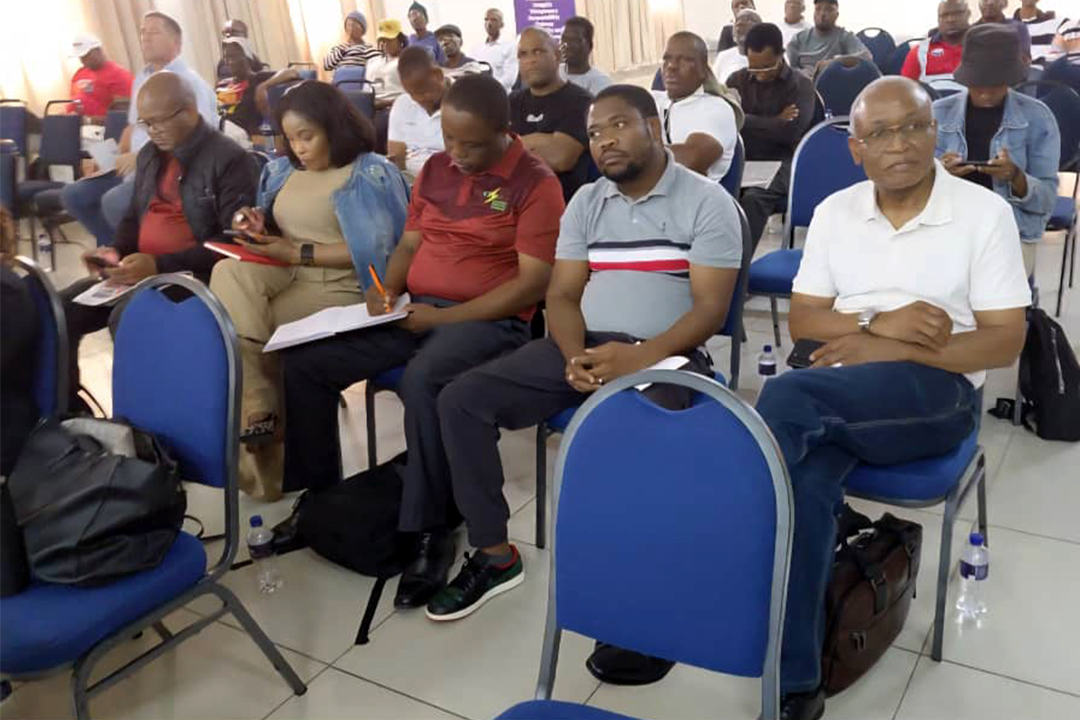
These concerns were raised on Saturday, 24 January 2026, during a Stakeholder Consultative Meeting organised by the Eswatini Energy Regulatory Authority (ESERA) at The George Hotel in Manzini. The meeting marked the final leg of nationwide consultations held across all four regions to gather public input on the Eswatini Electricity Company’s (EEC) request for a tariff adjustment.
EEC has applied for an increase in its revenue requirement for the 2026/27 financial year amounting to E437 883 115. Of this amount, E175 065 326 is linked to rising import tariffs from suppliers such as NTCSA/Eskom, Electricidade de Moçambique (EDM) and Ubombo Sugar Limited (USL), while E262,817,788 relates to under-recovery recorded during the 2024/25 financial year.
The Manzini meeting attracted a wide range of participants, including labour leaders, consumer rights activists and disability advocates. President of the Trade Union Congress of Swaziland (TUCOSWA), Bheki Mamba, told the gathering that workers simply do not have the financial capacity to absorb further increases in electricity costs.

Mamba said there was a need for ESERA to consider the country’s social and economic realities when making decisions. He suggested that an assessment of household incomes and living conditions should form part of the regulatory process before approving any tariff adjustments.
TUCOSWA Secretary General Sikelela Dlamini highlighted that many workers earn less than E3 500 per month, which he described as a basic minimum wage rather than a living wage. He noted that many households buy electricity in small amounts, often struggling to afford even E100 at a time. Dlamini warned that a tariff hike could lead to business closures, increased unemployment and deeper poverty.
Swaziland National Association of Teachers (SNAT) Secretary General Lot Vilakati echoed these sentiments, stating that teachers also face financial strain. He called for alternative solutions that could help reduce electricity costs in the long term.
Representing the Eswatini Comprehensive Disability Mainstreaming Initiative (ECDMI), Mandla Methula raised concerns about accessibility during presentations, noting that visually impaired participants were disadvantaged when information was shared only through slides. He also stressed that electricity is a lifeline for people with disabilities who rely on powered assistive devices such as motorised wheelchairs.
Mandla Ntjakala, who is the Chairperson of the Eswatini Consumer Forum, suggested exploring alternative energy sources, including the use of liquefied petroleum gas (LPG) or imported natural gas, as potential ways to stabilise electricity costs. Other members of the forum suggested a speedy intervention of Government on the issue because people could be tempted to steal the electricity, in their quest to have access.
The meeting concluded with calls for inclusive, balanced and socially sensitive decision-making as ESERA considers public submissions on the proposed tariff increase.