
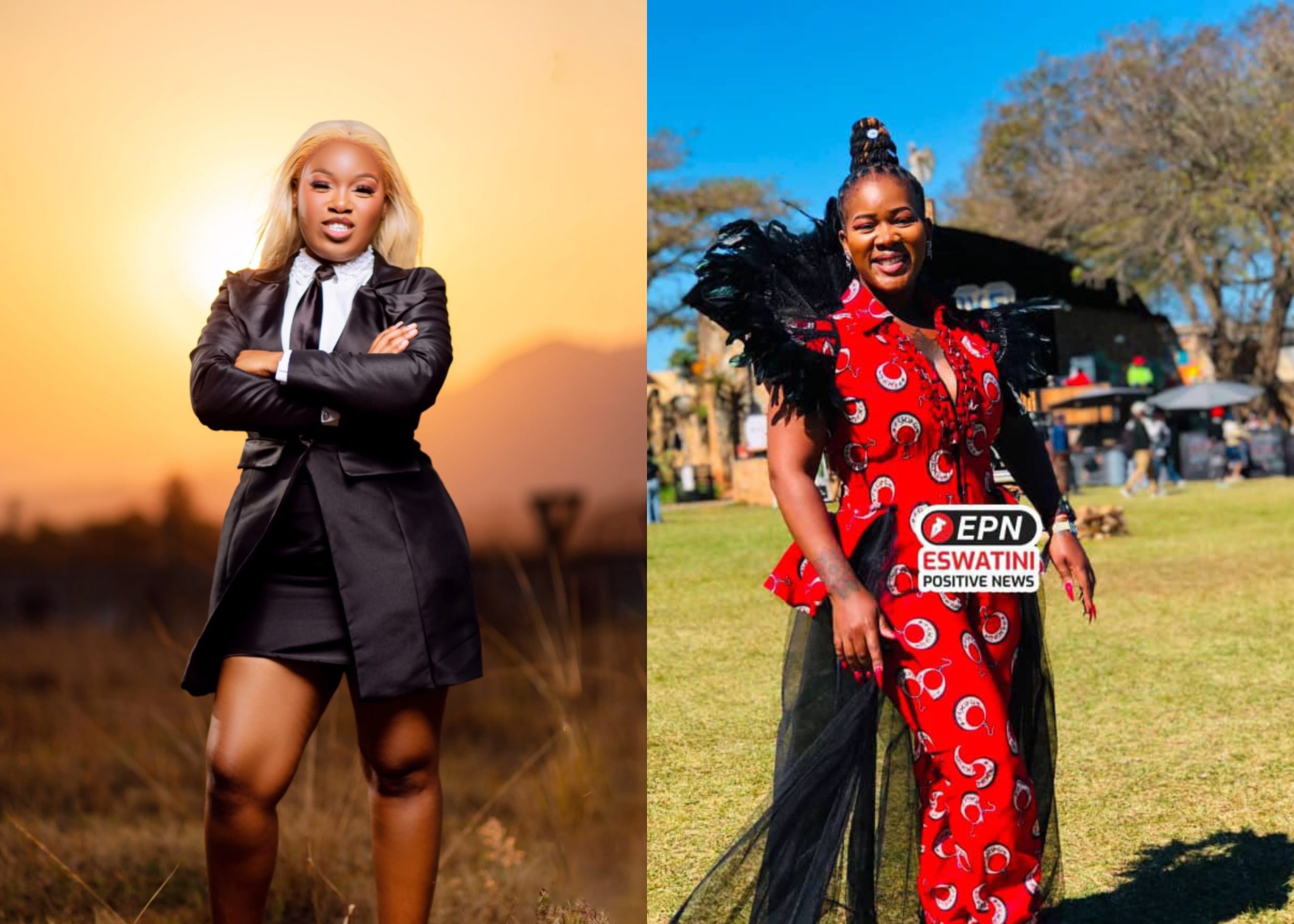

BY NELIWE NGUBANE
MBABANE – Long before the sketches, fashion pieces and dreams of international runways, there was a young girl watching her gogo turn ordinary fabric into something meaningful.
For Ziyanda Mabizela, fashion is more than clothing. It is a language of identity, memory and culture, inspired by the hands of a grandmother who sewed church uniforms, transformed old clothes and created traditional beadwork.
What began as helping her gogo gradually became a passion that would shape Mabizela’s journey into fashion design.
“I’ve always been drawn to fabric and storytelling,” she said. “Growing up I watched my gogo sew and remix old clothes into something new, and that made me realise clothes can carry memory.”

Mabizela’s journey started modestly, with sketches in school books and outfits made for her dolls. Encouragement from people around her pushed her to develop her skills, eventually leading her to take fashion seriously after identifying a gap for contemporary designs that still feel connected to home.
Her design philosophy is centred on modern African minimalism, combining clean lines and wearable silhouettes with subtle cultural references.
“My style is modern African minimalism with a cultural touch,” she said.
Her pieces incorporate elements such as prints, textures and silhouettes inspired by African heritage, while remaining practical for everyday wear. She also emphasises diversity and individual style, designing for real people and their different fashion identities.
Mabizela draws inspiration from various sources, including the colours of emahiya worn during ceremonies, global street style, art, upcycling and the women who wear her creations.
“The way a woman walks, what makes her feel powerful, that inspires me,” she said.
However, building a fashion brand has not been without challenges. Mabizela has faced difficulties accessing quality fabrics, securing funding and changing perceptions that locally made clothing is inferior.
In the early stages, she had to manage almost every aspect of the business, from designing and sewing to marketing and deliveries.
She overcame these challenges by starting small, reinvesting into her work, learning new skills online and building relationships with supportive customers.
“Community support has carried me through the hard parts,” she said.
Culture remains at the heart of her work, but Mabizela says her approach is about representation rather than costume. She uses local fabrics, reimagined traditional silhouettes, colours associated with home and beadwork to create pieces that carry a modern Swati identity.
“I want someone in the diaspora to wear my piece and feel Eswatini with them,” she said. “It’s modern, but the soul is siSwati.”
Looking ahead, Mabizela hopes to build a fashion brand that creates employment for local talent while taking Eswatini fashion beyond its borders.

Within the next five years, she envisions a Ziyanda flagship store in Eswatini, collaborations with artisans and major brands, and eventually seeing her pieces stocked in other clothing stores.
Her ambitions also extend to international runways and mentoring young designers.
“Long term, I want to mentor young designers and show that you can build a global brand from right here at home,” she said.
Through Designs By Yanda_M, Mabizela is not simply creating clothes. She is stitching together heritage and contemporary fashion, one piece at a time, while proving that Eswatini’s creative talent can compete beyond its borders.
#ZiyandaMabizela #DesignsByYandaM #EswatiniFashion #SwatiFashion #AfricanFashion #FashionDesigner #MadeInEswatini #CreativeIndustry #LocalTalent


