


BY PHUMELELE GAMEDZE
MBABANE – Eswatini is being called to speak openly about suicide and mental health as the Ministry of Health today brings the conversation to Matsetsa, where communities are being encouraged to start conversations that could help save lives amid a suicide rate of 31.8 deaths per 100 000 people.
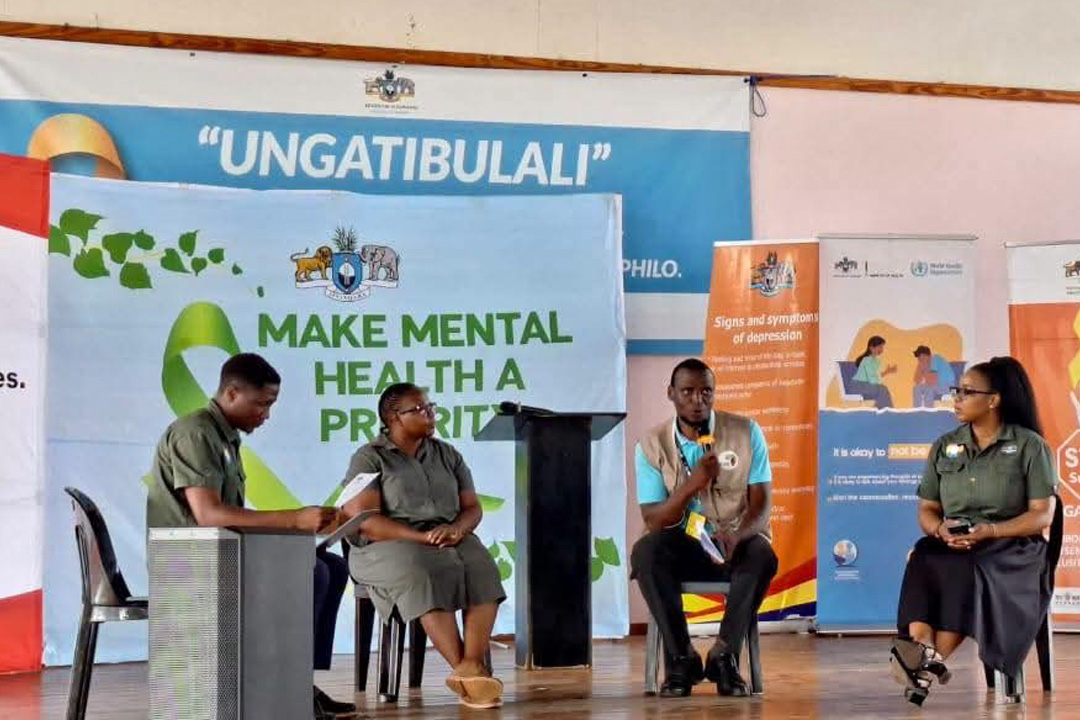
The call was made as the Ministry of Health today commemorated World Suicide Prevention Day with the Matsetsa community at the School for the Deaf in Siteki, bringing together Minister of Health Mduduzi Matsebula, traditional leaders, development partners, Government officials and civil society.
The gathering formed part of the global 2026 campaign held under the theme “Changing the Narrative on Suicide”, with the call to action “Start the Conversation.” The campaign seeks to encourage people to talk openly about suicide, challenge stigma and create supportive environments where people can seek help.
Behind the statistics are families, friends and communities left to deal with the loss of loved ones.

According to the World Health Organisation (WHO), Eswatini recorded a suicide rate of 31.8 deaths per 100 000 people, placing the country among those with a high suicide burden in the WHO African Region. WHO has also reported that 486 completed suicides were recorded by the Royal Eswatini Police Service between 2022 and 2024.
Men accounted for 80 per cent of those recorded deaths, while women accounted for 20 per cent. WHO reported that 69 per cent of the people who died were aged 25 and above.
The figures have placed renewed attention on what happens when people suffer in silence and do not receive support early enough.
WHO stresses that suicide is complex and can be linked to a combination of social, psychological, biological and environmental factors. This means prevention cannot rest with health facilities alone.
Families, schools, traditional leaders, churches, communities, civil society and the media all have a role in recognising distress, listening without judgement and helping people connect with appropriate support.
The country’s wider mental-health picture also shows the need for greater support. The 2024 STEPS survey found that 21.8 per cent of respondents experienced depressive symptoms during the previous 12 months, while 75.6 per cent of those reporting depressive symptoms did not receive counselling or therapy.
For people living with mental-health challenges, starting a conversation can be difficult, particularly where suicide is surrounded by fear, shame or stigma.
The choice of the School for the Deaf as the venue also highlights the need to ensure that mental-health and suicide prevention messages reach people with disabilities through accessible communication.
Globally, WHO estimates that more than 720 000 people die by suicide every year, while stressing that suicide is preventable through timely, evidence-based interventions and support.
Eswatini has committed to reducing its suicide rate by one-third by 2030, making community awareness and early support important parts of the country’s wider suicide-prevention response.
The message from this year’s campaign is simple: talking about suicide does not have to begin with having all the answers. Sometimes, it begins with listening, asking how someone is doing and helping them find support.
#WorldSuicidePreventionDay#StartTheConversation#MentalHealthMatters#Eswatini
(Courtesy Pic)