


BY PHUMELELE GAMEDZE
MBABANE– Eswatini’s civil society sector could be heading towards stronger coordination, better partnerships and greater impact in communities following the mapping of about 400 civil society organisations (CSOs) across the country.
The mapping forms part of a Civil Society Organisation Assessment commissioned by the United Nations Development Programme (UNDP) to establish a clearer picture of organisations operating in Eswatini, the challenges they face and the support they need to contribute more effectively towards national development.
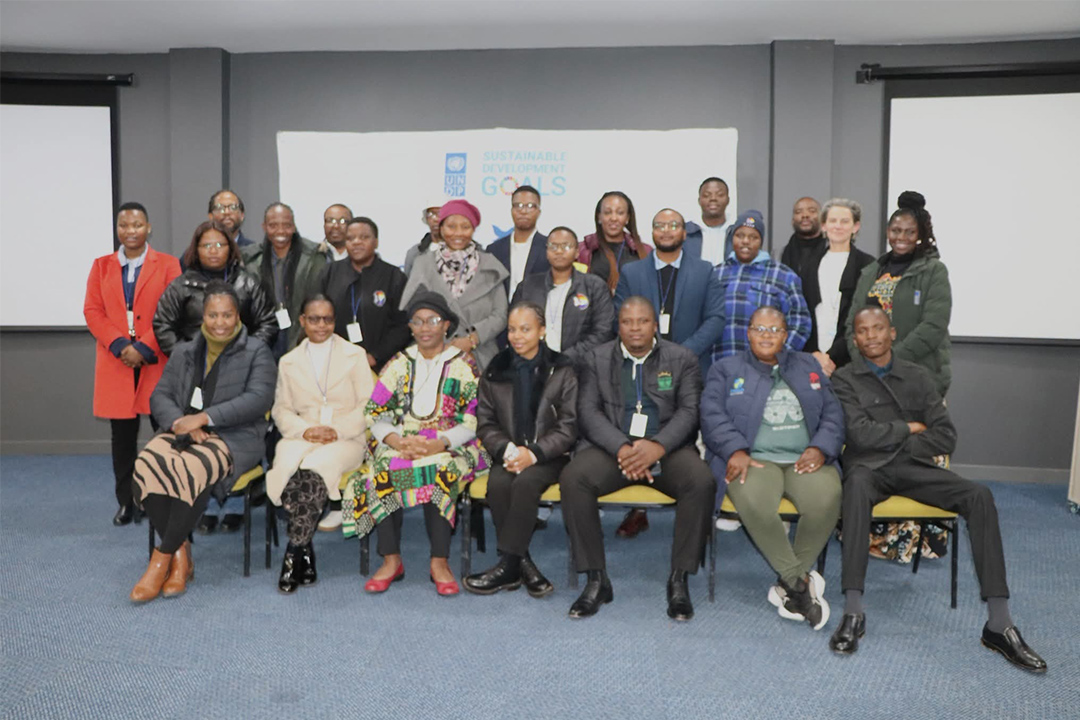
Civil society organisations, government representatives and development partners gathered at the UN House in Mbabane yesterday to validate the findings and help shape practical interventions aimed at strengthening the sector.
Far from being a routine presentation of a report, the gathering gave organisations working on the ground an opportunity to speak about their experiences, interrogate the findings and contribute ideas on how civil society can become more effective, sustainable and responsive to the needs of ordinary EmaSwati.

For many of these organisations, their work happens where development challenges are felt most — in communities where families may require social support, young people need opportunities and vulnerable groups depend on organisations capable of taking services closer to them.
The assessment examined the regulatory environment in which CSOs operate, mapped organisations across the country and assessed their institutional capacity. It also identified gaps that could affect their ability to provide services and contribute meaningfully to Eswatini’s development agenda.
Among the challenges identified were fragmented coordination, limited institutional capacity, concerns over long-term sustainability and weak collaboration among stakeholders.
However, the findings are also being viewed as an opportunity to build a stronger and more connected civil society sector.
UNDP Deputy Resident Representative Nessi Golakai Gould said the assessment had initially been undertaken to help UNDP better understand the civil society landscape and determine how the organisation could engage more effectively with CSOs.
She said the exercise had ultimately generated information with value extending beyond UNDP to the wider development sector.
“What has emerged is a valuable body of evidence that can help inform broader conversations about the future of civil society in Eswatini, the partnerships we need to build, and the systems we need to strengthen if we are to achieve sustainable and inclusive development,” Gould said.
The validation workshop was particularly important because it allowed CSOs themselves to determine whether the assessment accurately reflected the realities they encounter while working in communities.
Participants explored practical ways of improving coordination between organisations, strengthening internal systems and institutional capacity, developing more sustainable organisations and building closer partnerships involving CSOs, government and development partners.
Such collaboration could prove critical in ensuring that civil society organisations do not operate in isolation or duplicate efforts, but instead complement one another and channel resources towards areas where they can make the greatest difference.
The discussions also underscored the important contribution CSOs continue to make towards community development and national progress.
With stronger institutions and better coordination, the organisations could be placed in a stronger position to reach more communities, respond effectively to emerging needs and ensure that development interventions deliver lasting benefits.
The workshop therefore represented an important step towards transforming the assessment from a report on paper into a practical roadmap for strengthening civil society.
It also highlighted that building an effective civil society sector cannot be achieved by CSOs alone. Government, development partners and community-based organisations all have a role to play in creating an environment in which the sector can grow and deliver.
For Eswatini, mapping about 400 organisations now provides a clearer foundation from which stakeholders can identify existing strengths, address weaknesses and build partnerships capable of translating development programmes into visible improvements in people’s lives.
(Courtesy Pic)