By Mfanufikile Khathwane (Intern)
MBABANE – The Ministry of Agriculture has confirmed that Pig farmers in the Shiselweni Region can now trade their pigs, provided they are not located in areas affected by the recent outbreak of Foot and Mouth Disease (FMD).
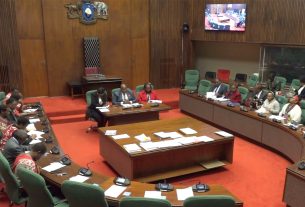
This assurance was given by the Ministry while appearing before the Public Accounts Committee (PAC) in the House of Assembly.
The Ministry stated that only farmers within the declared red zone, which includes areas from Mshololo to Mhlosheni, are still restricted from trading due to the outbreak. However, farmers outside this zone, including areas like Gege, Hlathikhulu, and Big Bend, are not under movement restrictions and may continue with their normal pig farming and trading activities.
Samkeliso Ndlangamandla, a member of the PAC, called on the Ministry to provide clear guidance for farmers. He pointed out that pig farmers in the region are concerned because their pigs are under veterinary supervision, and after a period usually around four months,the animals are ready for market. If not sold, they become a financial burden to the farmers. He emphasized that pigs raised behind closed doors and not exposed to infection should be allowed to be traded freely.


In response, Dr. Xolani Dlamini from the Ministry of Agriculture clarified that only areas within the red zone are subject to strict control measures.
“The red zone is limited to specific areas from Mshololo to Mhlosheni. Places like Gege and Hlathikhulu are not under lockdown, and pig farming activities there can continue under normal regulations,” he explained.
Meanwhile, the Ministry revealed that government has begun a vaccination campaign targeting cattle in the outbreak areas. The vaccine is 100 000 and costing the government E6 million, aimed at controlling the spread of the disease and protecting the national herd.
The Ministry assured the public that the situation is under control, and only restricted zones are affected by trade limitations. Farmers in non-affected areas are encouraged to work closely with veterinary officers to ensure continued biosecurity and compliance with animal health regulations.