BY MFANUFIKILE KHATHWANE
EZULWINI – The Governments of Eswatini and Lesotho have received high praise from the United Nations for their commitment to transforming higher education and strengthening quality assurance systems across the region.
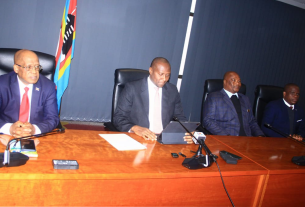
The commendation came during the Capacity Building Workshop on Quality Assurance in Higher Education, organised by UNESCO in partnership with the Higher Education Councils of both countries. The workshop brought together regional experts, policymakers, and education leaders to discuss strategies for improving academic standards and ensuring that higher education systems meet the evolving needs of students and the job market.
Delivering remarks at the workshop, George Wachira, United Nations Resident Coordinator, applauded both governments for their proactive leadership.
“Allow me to commend the Government of the Kingdom of Eswatini for the efforts it has been making to review and transform education, including through the work of the National Review Committee,” Wachira said. “Lesotho’s initiatives mirror these efforts, demonstrating the region’s dedication to ensuring that higher education is both credible and responsive to the aspirations of young people.”

Wachira emphasised that improving quality assurance is not merely a technical exercise but a strategic investment in the future of both nations. Strengthened education systems can equip young people with the skills required to address high youth unemployment and compete effectively in the global knowledge economy.
“Too many of our young people leave school with dreams and potential, but without the opportunities or the skills that today’s job market demands,” he said, underlining the importance of aligning education with economic and social development goals.
The workshop also highlighted the pivotal role of higher education in achieving Agenda 2030 and the Sustainable Development Goals (SDGs). Strong education systems, participants noted, are essential for attracting investment, fostering international partnerships, and preparing societies to thrive in a rapidly changing global landscape. Key priorities identified included digital transformation, teacher training, institutional leadership, and data-driven decision-making to guide policy and practice.
Wachira reaffirmed the United Nations’ ongoing support for both countries through technical assistance, joint programming, and policy dialogue.
“Through these partnerships, we invest not only in our youth but in the sustainable and inclusive future they will one day lead,” he concluded.
Eswatini and Lesotho’s recognition at the workshop underscores their emerging role as regional leaders in higher education reform. By prioritising quality assurance, both nations are creating a model for other SADC countries to emulate, demonstrating that strategic investment in education yields far-reaching benefits for individuals, communities, and national economies.
The event further strengthened regional collaboration, allowing participants to exchange best practices, benchmark institutional performance, and explore innovative approaches to improving academic standards. Experts highlighted that cross-border cooperation and shared learning are crucial for harmonising higher education quality across Southern Africa.
As Eswatini and Lesotho continue implementing reforms, their combined efforts in quality assurance and capacity-building signal a brighter future for students, educators, and society at large. Their leadership offers a compelling example of how education can be a transformative tool for sustainable and inclusive development in the SADC region.
( Courtesy Pic)