



BY TANDZILE DLAMINI
MBABANE– The Eswatini Tourism Authority (ETA) convened a Bed Levy Compliance and Tourism Establishment Grading Workshop at The Royal Villas to educate tourism stakeholders on regulatory requirements.
The workshop also encouraged voluntary compliance ahead of any enforcement measures and was held on Monday, 19 January. It brought together owners and operators of accommodation establishments to discuss the 2012 Bed Levy Regulations, which require tourism establishments to register with the Ministry of Tourism and collect a 3% levy from guests. The levy is used to fund the marketing and promotion of Eswatini at national, regional and international levels.
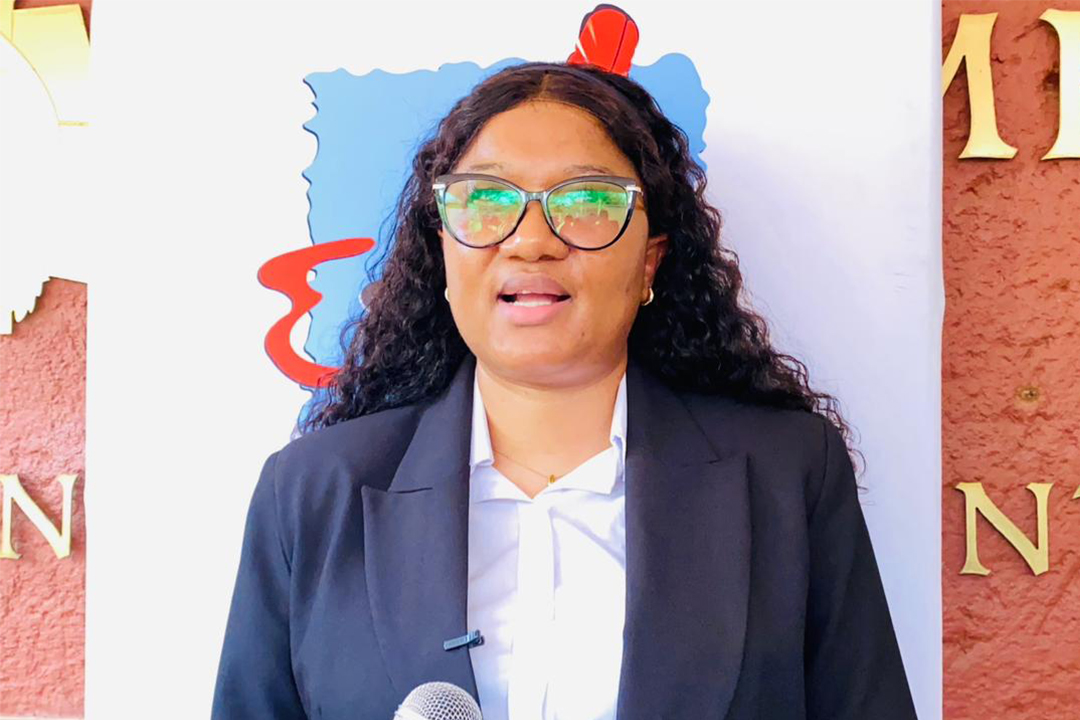
ETA Chief Financial Officer Khulile Dlamini said the Authority’s current focus is on awareness and education, noting that many businesses remain unregistered or have fallen out of compliance despite the regulations being in place for over a decade.
“The regulations were passed in 2012, but we have observed that some establishments are either not registered or no longer complying,” Dlamini said. “This workshop is meant to educate stakeholders and encourage compliance before the Authority considers further steps.”

Dlamini outlined the legal framework governing tourism in Eswatini, which is based on the Tourism Act of 2001, the Bed Levy Regulations of 2012, and the Finance Act of 2019, which confirmed that the levy is 3% of the room rate and requires ETA to remit 50% of collected funds to the Consolidated Fund.
She explained that the levy applies to hotels, lodges, guest houses, bed and breakfasts, and self-catering units, while campsites and caravan parks are exempt. Establishments must submit monthly declarations by the 7th of each month following collection, with payments due by the last day of the month. If the deadline falls on a weekend or public holiday, payments must be made on the next business day.
Dlamini warned that late payments attract a 5% monthly penalty, and the ETA has the right to audit records to verify declarations. Offences include under-declaring bed usage, obstructing access to records, or failing to pay within 14 days of a written demand.
She highlighted that the levy plays a key role in strengthening the tourism sector. “The funds collected are reinvested into tourism through marketing, research and training initiatives that benefit both the country and individual businesses,” she said. Marketing accounts for 25% of the total budget, including trade shows, international representation and digital promotion.
Dlamini added that compliant establishments gain tangible advantages. “Compliance provides legal protection, access to grading and certification, and increased visibility through official tourism marketing platforms,” she noted. She also said that the funds help support destination branding, research, training, and improved planning for sustainable tourism growth.
The ETA said the workshop reflects its commitment to building a transparent, sustainable tourism industry that benefits all stakeholders while positioning Eswatini as a competitive destination.