


By Sifiso Nhlabatsi
MBABANE – The Government of Eswatini has officially handed over two Italian-funded climate resilience projects valued at €2.2 million (about E44 million) and US$3.4 million (about E55 million), which has a combined value of over E99 million respectively
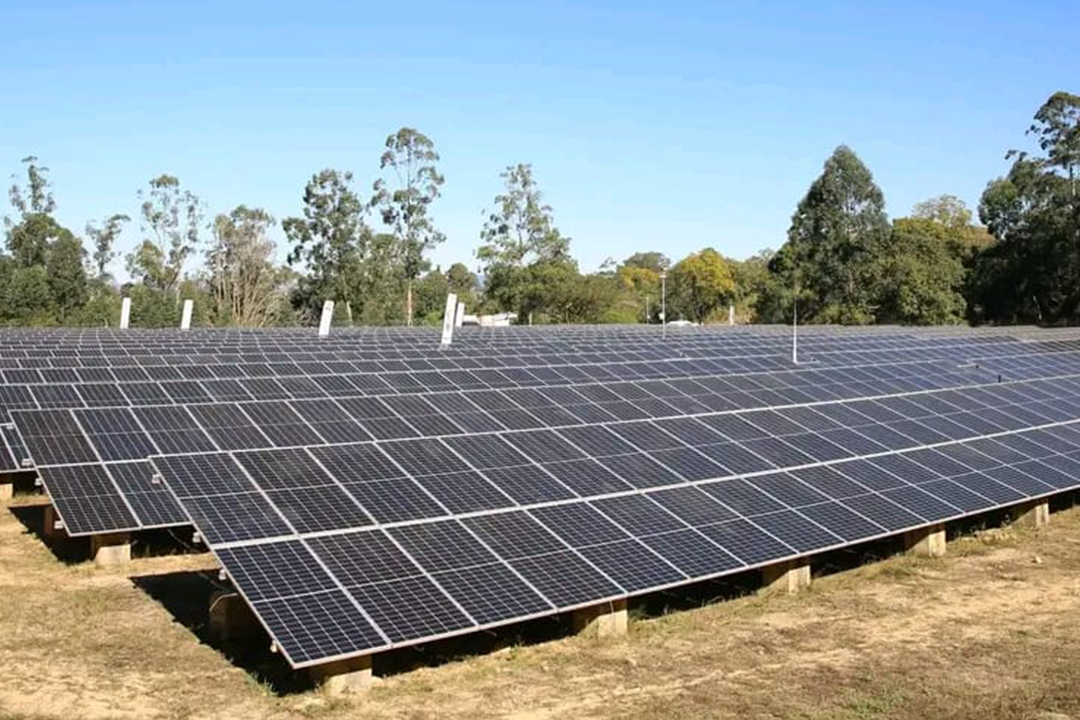
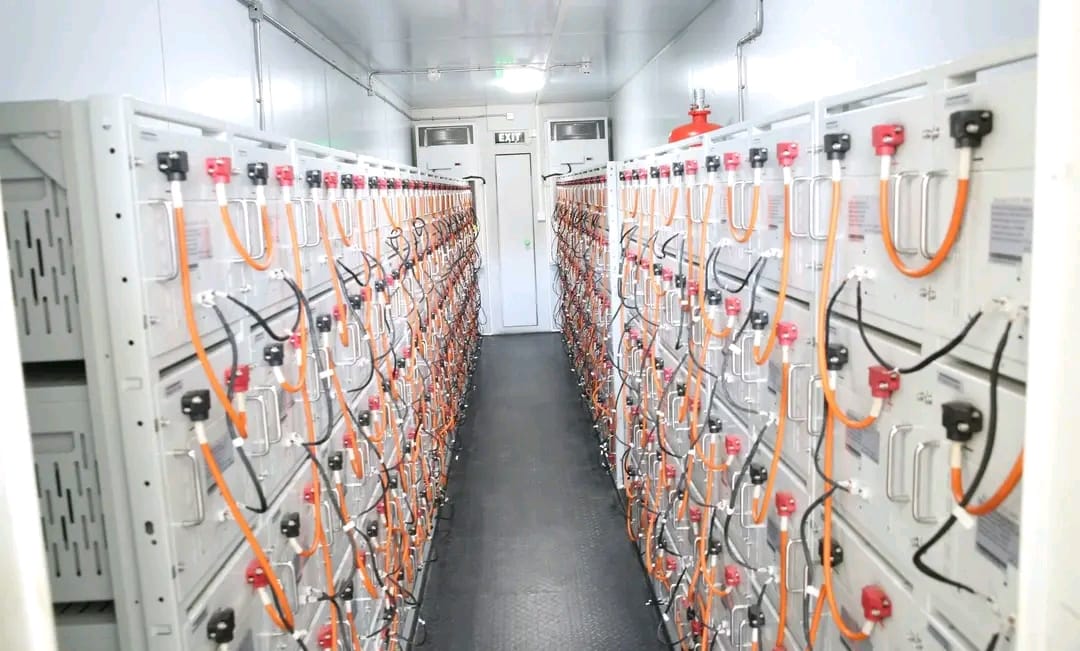
The projects comprise of a 1-megawatt solar power plant at Raleigh Fitkin Memorial Hospital and an enhanced national Early Warning System aimed at strengthening renewable energy and disaster preparedness.
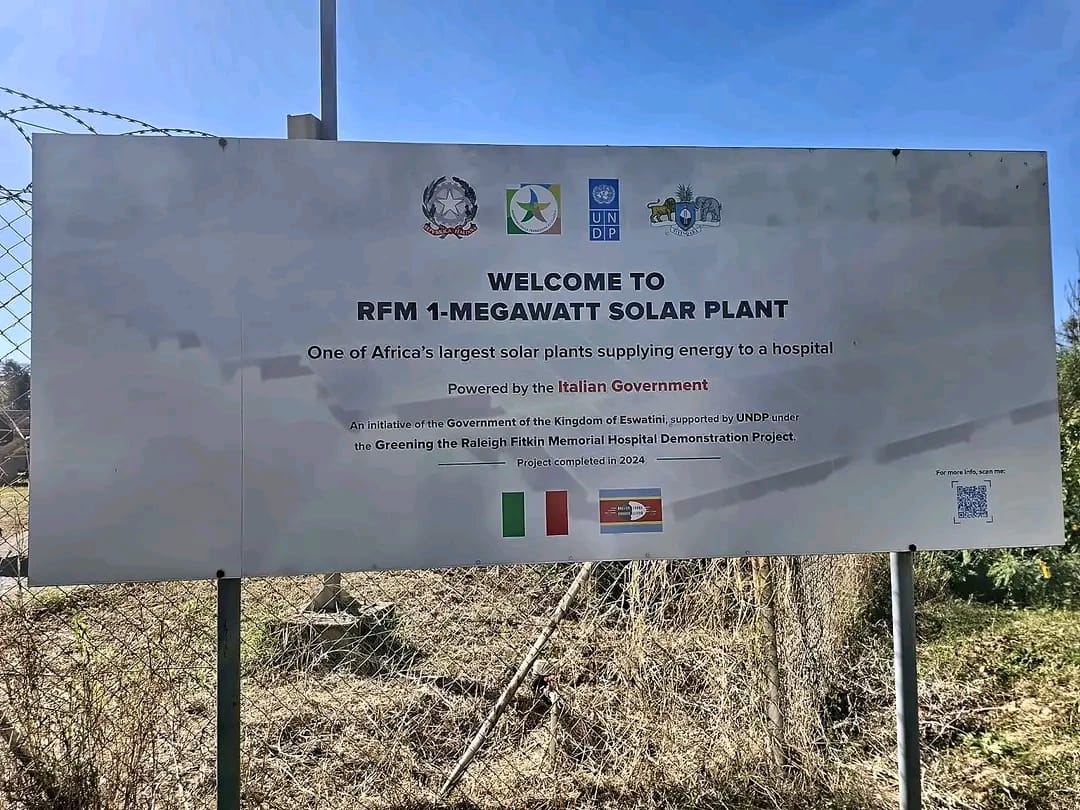
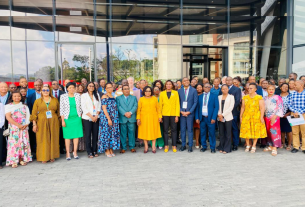
They were officially handed over by Deputy Prime Minister Thulisile Dladla on behalf of Prime Minister Russell Mmiso Dlamini during the launch of the renewed phase of the Italy-Eswatini Climate Change and Environment Cooperation Programme. The event was attended by Italian government representatives, senior government officials, United Nations representatives and other stakeholders.
Speaking on behalf of the Prime Minister, Dladla described the occasion as a celebration of the growing partnership between Eswatini and Italy, saying the two governments had reaffirmed their commitment to sustainability, climate resilience and inclusive development.

She said the completed projects represented more than infrastructure investments, but demonstrated a shared vision of protecting the environment while improving the lives of emaSwati.
“The Government of Eswatini and the Government of Italy today reaffirm their mutual friendship and commitment towards shared cooperative measures geared towards sustainability, resilience and prosperity,” she said.
Dladla noted that the cooperation had evolved from earlier investments in renewable energy, weather forecasting and hydrometeorological systems into a broader programme covering biodiversity conservation, renewable energy expansion and sustainable development.
She said the new phase of cooperation was not simply about funding but about strengthening Eswatini’s ability to predict and respond to climate-related disasters while building long-term resilience.
According to Dladla, the programme will also promote renewable energy, enhance scientific and technological capacity, create innovation opportunities for young people and integrate traditional knowledge with modern climate solutions.
She highlighted that despite contributing less than 0.007 percent of global greenhouse gas emissions, Eswatini remained committed to playing its part in addressing climate change.
She said government recognised climate change as one of the country’s most pressing development challenges and had prioritised it in national planning, including the recently adopted Nationally Determined Contribution (NDC 3.0).
Dladla said the new solar plant demonstrated how clean energy could reduce electricity costs while lowering carbon emissions.
“I am reliably informed that through this project, the RFM Hospital will operate on about 98 percent solar photovoltaic energy,” she said.
She added that government remained confident of achieving its target of increasing renewable energy to 50 percent of the national energy mix by 2030, compared to 2010 levels.
Dladla said the hospital project would serve as a model that could be replicated in other public and private institutions, allowing them to benefit from reduced energy costs while supporting the country’s transition to cleaner energy.
On disaster preparedness, Dladla said the Early Warning System had significantly strengthened Eswatini’s capacity to monitor and respond to climate-related risks.
She recalled the devastating El Niño drought experienced across Southern Africa a decade ago, saying many farmers and businesses were still recovering from the losses.
She said the newly enhanced system would improve weather forecasting and preparedness, while the installation of a telemetric hydrological observation system would enable authorities to monitor river levels in real time and issue timely warnings during floods and droughts.
Dladla called on beneficiary institutions to ensure the new facilities were properly maintained so they could continue delivering benefits for years to come.
She welcomed the inclusion of training and skills transfer as part of the programme, saying capacity-building had been provided to officials from the Ministry of Health, Ministry of Natural Resources and Energy, the University of Eswatini’s Centre for Sustainable Energy Research, the Meteorology Department and the Department of Water Affairs.
The Deputy Prime Minister also acknowledged the role played by the United Nations Development Programme (UNDP) in providing technical support during implementation.
She said the collaboration between government ministries, development partners and the Italian Government demonstrated how international partnerships could deliver practical solutions to climate change while supporting national development priorities.
Government also commended the United Nations Development Programme (UNDP) for what it described as exemplary project leadership in implementing the Eswatini–Italy Climate Change and Environment Cooperative Programme.
The commendation was delivered by Minister of Tinkhundla Administration Skhumbuzo Dlamini on behalf of the Minister of Tourism and Environmental Affairs, Jane Mkhonta-Simelane, during the official handover of completed projects and the launch of a renewed phase of the cooperation programme at Raleigh Fitkin Memorial Hospital.
Dlamini said the programme had been successfully implemented through collaboration between the Ministry of Tourism and Environmental Affairs, the Ministry of Natural Resources and Energy, and the Ministry of Health.
He said Government appreciated the support provided by the Government of Italy, particularly the Ministry of Environment and Energy Security and the Ministry of Foreign Affairs and International Cooperation.
The minister noted that Government officials based in Eswatini conducted the initial feasibility study, saying no consultants had been engaged to determine the country’s development needs.
“For us as Eswatini, the United Nations Development Programme demonstrated project leadership at its best as a management partner. We have all seen this from just this one project outcome and we are sure to continue our partnership,” he said.
He said the support had come at a time when the region was experiencing electricity supply challenges and rising energy costs.
Turning to the Strengthening Early Warning Systems Project, Dlamini said its objectives included improving meteorological and hydrological data collection, strengthening national forecasting systems, establishing effective weather alert mechanisms and enhancing national capacity to respond to climate risks.
He said automated hydrometric stations had been installed to improve river-flow monitoring across priority gauging stations.
According to Dlamini, the new equipment enables river-level information to be transmitted directly to a central database, eliminating the need for manual data collection while allowing authorities to detect sudden changes in water levels.
He said the information generated by the system supported early warning measures aimed at preventing loss of life and damage to infrastructure.
Italy’s Ministry of Environment and Energy Security representative Jacopo Betti said the completed initiatives demonstrated how climate cooperation could produce practical benefits when aligned with national priorities.
Betti said the greening of RFM Hospital had contributed towards making one of the country’s important healthcare facilities more sustainable.
“The greening of the Raleigh Fitkin Memorial Hospital project has contributed to making an essential public service more sustainable and resilient,” he said.
He added that the Strengthening Early Warning Systems and Climate Services Project had enhanced Eswatini’s ability to anticipate and respond to climate-related disasters.
According to Betti, the two projects reflected a shared commitment by Eswatini and Italy to build resilience through stronger institutions, improved preparedness and sustainable public services.
He said the inauguration marked another milestone in the partnership between the two countries, which had been built over several years through dialogue, mutual trust and cooperation on sustainable development and climate action.
Betti conveyed greetings from Italy’s Minister of Environment and Energy Security, Gilberto Pichetto Fratin, who was unable to attend the ceremony because of prior commitments.
He said, as the focal person responsible for cooperation between Italy’s Ministry of Environment and Energy Security and Eswatini’s Ministry of Tourism and Environmental Affairs, he was pleased to see the partnership producing tangible results.
Betti said the projects illustrated that climate cooperation was most effective when it addressed national priorities while strengthening resilience in practical ways.
Looking ahead, he said the two governments were already exploring new areas of cooperation.
He referred to the Memorandum of Understanding on environmental cooperation signed in October 2025 and the inaugural Joint Committee meeting held in January, saying both had laid the foundation for a strengthened partnership.
“Today’s inauguration is therefore not the end of a journey, but the beginning of a new chapter in the partnership between Italy and Eswatini,” he said.