



BY ZINHLE DLAMINI (INTERN)
MBABANE– Eswatini is accelerating efforts to enhance accountability and improve public service delivery through a high-level national workshop focused on strengthening monitoring and evaluation systems.
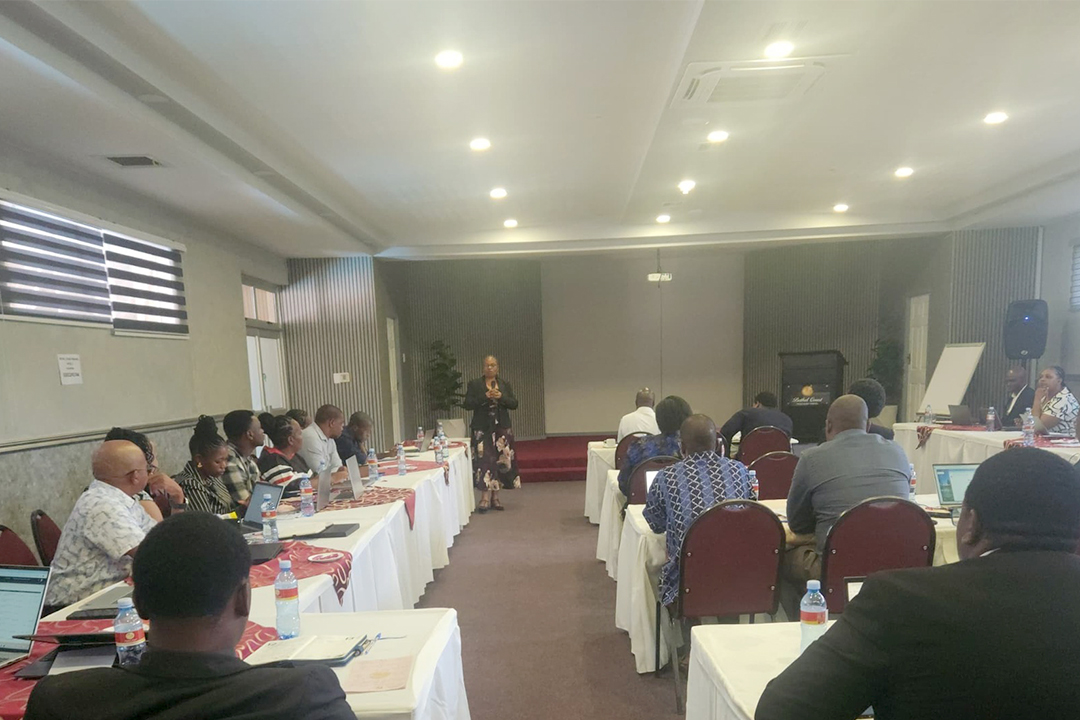
The Ministry of Economic Planning and Development has convened a three-day National Monitoring and Evaluation (M&E) Policy Guidelines Validation and Implementation Plan Costing Workshop at Bethel Court, marking a strong push toward results-driven governance.
Bringing together key stakeholders from across sectors, the workshop is designed to refine practical guidelines and finalise a fully costed implementation plan. The goal is clear: ensure government programmes deliver measurable, meaningful impact for citizens.
Opening the session, Chief Economist Sifiso Mamba stressed the importance of turning policy into action. He explained that while national policies set the vision, clear guidelines are essential for achieving real outcomes. By aligning monitoring systems across sectors, the initiative is set to improve the consistency and quality of tracking development progress.

The workshop builds on notable progress made in 2025, including the validation of the National M&E Policy and the National Development Plan (NDP) M&E Framework. These milestones highlight Eswatini’s growing commitment to data-driven decision-making and global best practices.
A key focus of discussions is ensuring that the new guidelines are both practical and sustainable. Stakeholders are carefully assessing implementation costs to guarantee that plans are fully supported by resources.
Once completed, the framework is expected to strengthen oversight, boost transparency, and promote a culture of performance across government institutions. This will position Eswatini to track progress more efficiently and respond swiftly to emerging needs.
The Ministry noted that the initiative forms part of broader efforts to modernise governance and prioritise citizen-focused results. Expectations are high that the finalised guidelines will play a vital role in driving efficient service delivery and sustained national development.
(Courtesy Pic)


