


BY GCWALISILE MHLABANE
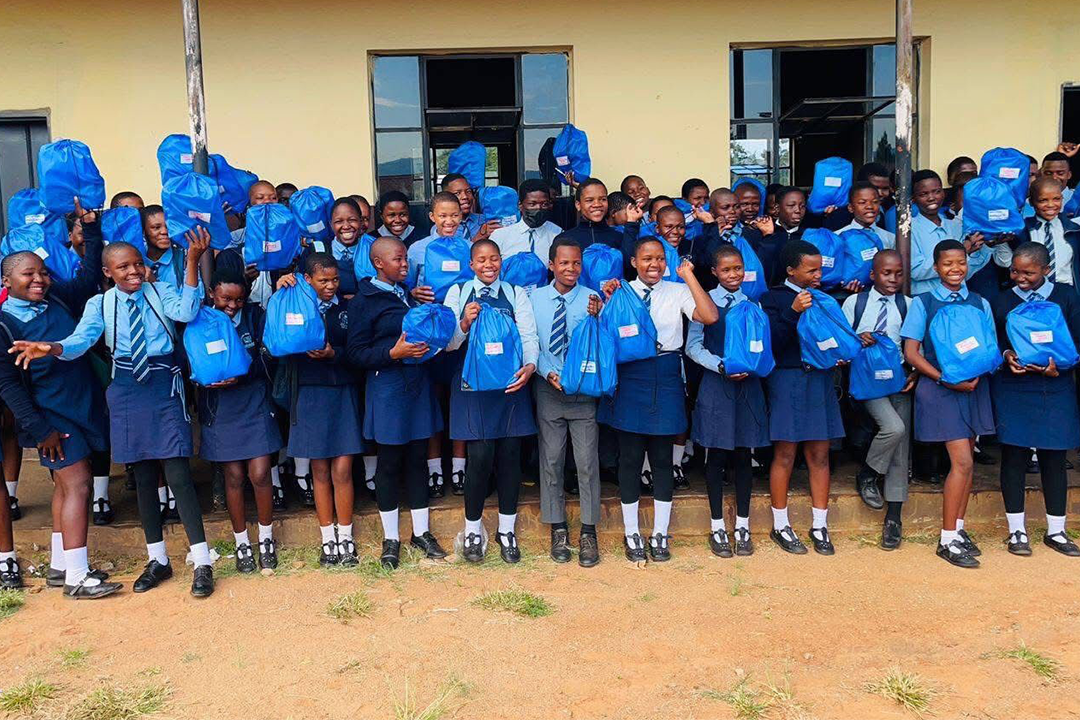
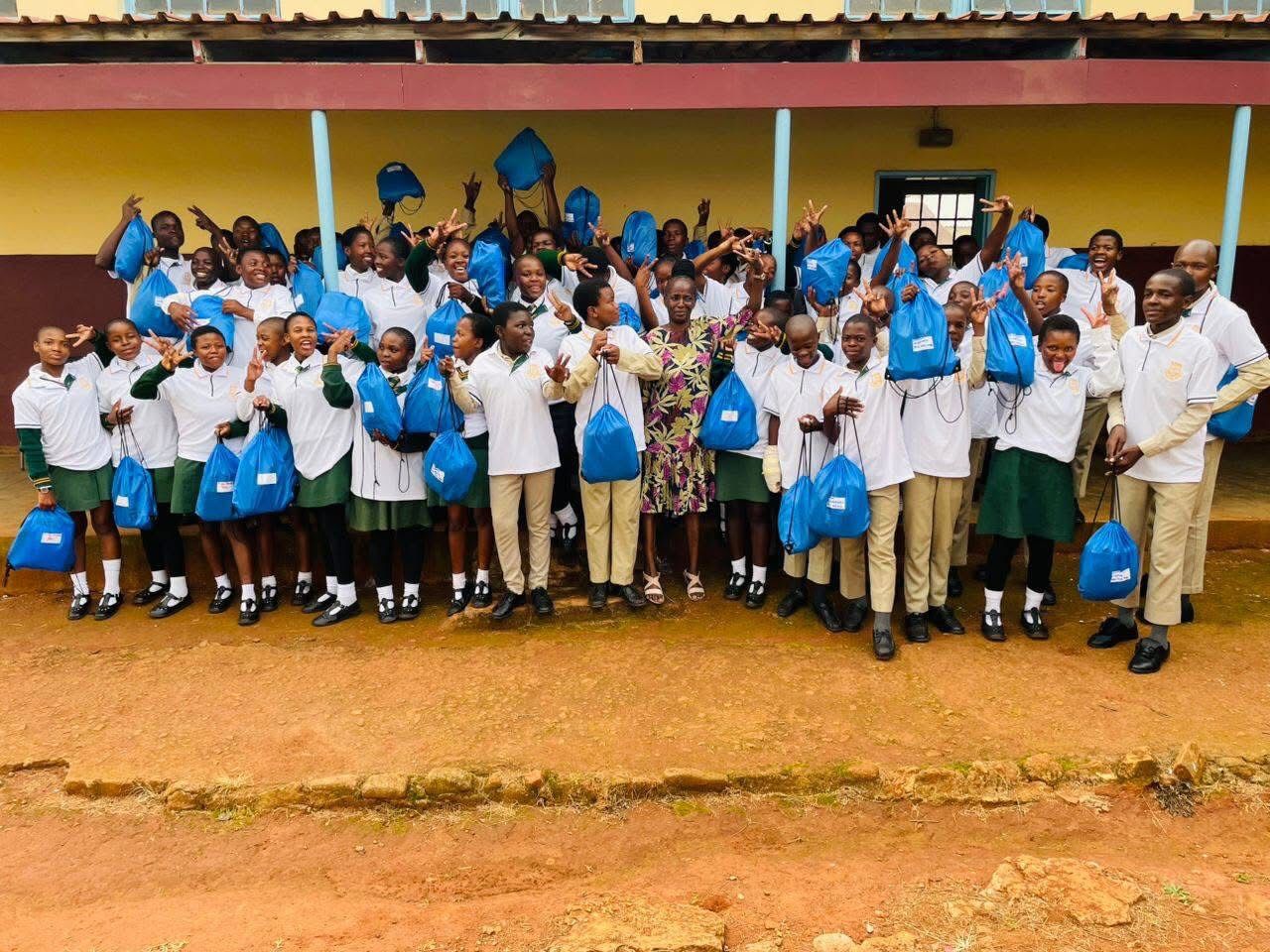
MBABANE – Pupils from Eric Rosenberg High School and Esandleni High School are among beneficiaries receiving school uniforms this week as Government intensifies efforts to strengthen support for Orphans and Vulnerable Children (OVC) across Eswatini through a targeted education pilot programme.
The initiative, implemented under the Strengthening Basic Education Project, is led by the Ministry of Education and Training and funded through a loan from the World Bank. It is designed to reinforce the OVC Education Grant currently managed by the Deputy Prime Minister’s Office, working closely with the Department of Social Welfare.
The programme is being implemented in three phases aimed at improving how vulnerable pupils are identified, supported, and retained in school.
The first phase involved a diagnostic study which provided Government with a clear assessment of the OVC Education Grant system. It identified key challenges affecting learners, including hidden schooling costs, household poverty, and dropout risks linked to socio-economic vulnerability.

The second phase, now underway, is a pilot intervention targeting eight schools nationwide—two schools per region. The schools were selected from constituencies with high poverty levels and elevated dropout rates, where learners face the greatest risk of leaving school prematurely.
Eric Rosenberg High School and Esandleni High School are among the participating schools benefiting from the intervention.
Under this phase, Government is providing additional support on top of the existing OVC Education Grant. The package includes school fees top-ups, provision of school uniforms, and targeted assistance for pupils with Special Educational Needs (SEN). The aim is to remove financial barriers that often prevent vulnerable children from attending and remaining in school.
At the start of the academic year, school fees top-ups were already disbursed to the selected cohort of pupils. This week, uniforms are being distributed to ensure learners are properly equipped, reducing the burden on households and promoting consistent school attendance.
Pupils were identified using the National Social Dynamic Registry tool, which verified household-level vulnerability and socio-economic status to ensure accurate targeting of support to those most in need.
Beyond direct assistance, the initiative is strengthening coordination between key government institutions responsible for education and social protection. The Ministry of Education and Training is working with the Deputy Prime Minister’s Office and the Department of Social Welfare to improve learner tracking, retention systems, and service delivery for vulnerable children.
The programme is also testing improved case management systems that allow schools and social welfare services to better identify at-risk pupils early and respond more effectively.
The final phase of the project will focus on strengthening legal and policy frameworks governing the OVC Education Grant. Lessons from the pilot will inform reforms aimed at improving efficiency, accountability, and long-term sustainability of support for vulnerable learners nationwide.
Government says the pilot marks a shift toward a more evidence-based approach to education support, combining financial assistance, social welfare targeting, and school-level interventions.
With eight schools currently benefiting, officials say the programme is laying the foundation for a more inclusive system where vulnerable pupils are not left behind due to poverty-related challenges, but are instead supported to remain in school and complete their education.
#Education #OVC #MinistryOfEducation #WorldBank #SocialProtection #BasicEducation #SchoolRetention #VulnerableChildren #EducationSupport #PublicPolicy #SocialWelfare #EricRosenbergHigh #EsandleniHigh #EducationReform