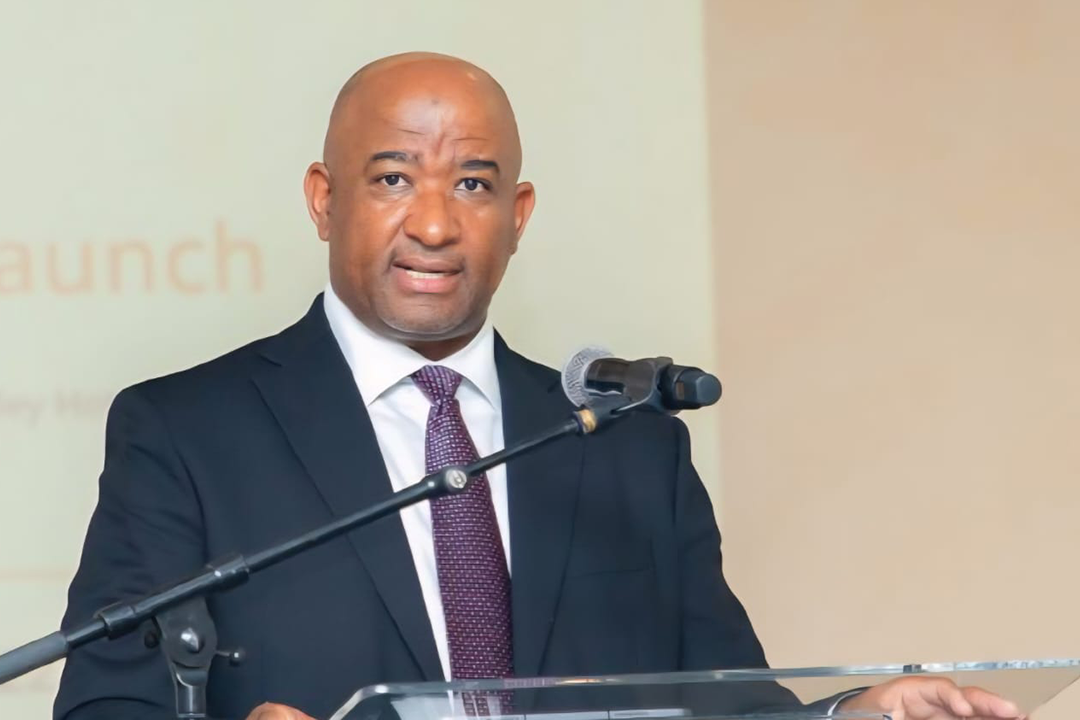



- Country currently holds approximately 2 500 ounces of gold, valued at around E195 million
BY MBONO MDLULI
EZULWINI – Eswatini is taking strategic steps to strengthen its economic stability by increasing its national gold reserves, positioning the country to better withstand global financial uncertainties.
The country currently holds approximately 2 500 ounces of gold, valued at around E195 million, which are stored at the Central Bank of Eswatini as part of its reserve assets.
Authorities indicate that plans are underway to expand these reserves through the purchase of locally produced gold using domestic currency. This approach is expected not only to strengthen the country’s financial position but also to support the local mining sector.
Gold seen as a strategic economic shield

Central Bank Governor Dr Phil Mnisi is reported to have emphasised the importance of building national reserves as a foundation for long-term economic growth.
He explains that countries should avoid consuming all generated resources and instead invest in productive assets that preserve and grow national wealth over time.
Gold, he notes, remains one of the most reliable assets during periods of economic uncertainty, with many countries increasing their holdings as a safeguard against global instability.
The move to increase reserves is therefore aimed at strengthening the Lilangeni, boosting investor confidence and enhancing overall financial security.
Strengthening currency and investor confidence
According to the Central Bank, gold reserves play a critical role in protecting the value of a country’s currency, particularly during periods of inflation, rising interest rates and volatile international markets.
Strong reserves also contribute to maintaining confidence in the financial system, ensuring stability and resilience in the face of external shocks.
The initiative aligns with global trends, where countries are increasingly diversifying their reserves and reducing reliance on foreign currencies by investing in gold as a safe-haven asset.
Global uncertainty shapes economic outlook
Dr Mnisi highlights that ongoing geopolitical tensions continue to affect economies worldwide, disrupting production, trade and investment flows.
He notes that such disruptions often lead to higher global interest rates, making borrowing more expensive for governments and businesses.
The Governor warns that without careful financial management, high borrowing costs could slow economic growth. He therefore encourages both public and private sectors to adopt prudent borrowing practices.
Debt levels remain manageable
Despite these challenges, Eswatini’s debt-to-GDP ratio stands at approximately 42 per cent, remaining below the 60 per cent benchmark set by the Southern African Development Community (SADC).
As of March 2026, total public debt is estimated at around E41 billion, reflecting ongoing borrowing pressures but still within manageable limits when compared to regional standards.
The country’s debt profile includes both domestic and external borrowing, with domestic debt largely driven by government bonds and treasury instruments.
Focus on sustainable economic growth
The Central Bank stresses that sustained economic growth, increased productivity and responsible financial management will be key to improving the country’s fiscal position over time.
By investing in gold reserves and strengthening financial buffers, Eswatini is positioning itself to navigate global economic challenges more effectively.
The strategy reflects a broader commitment to building a resilient economy, safeguarding national wealth and ensuring long-term prosperity for the country.