



BY GCWALISILE MHLABANE
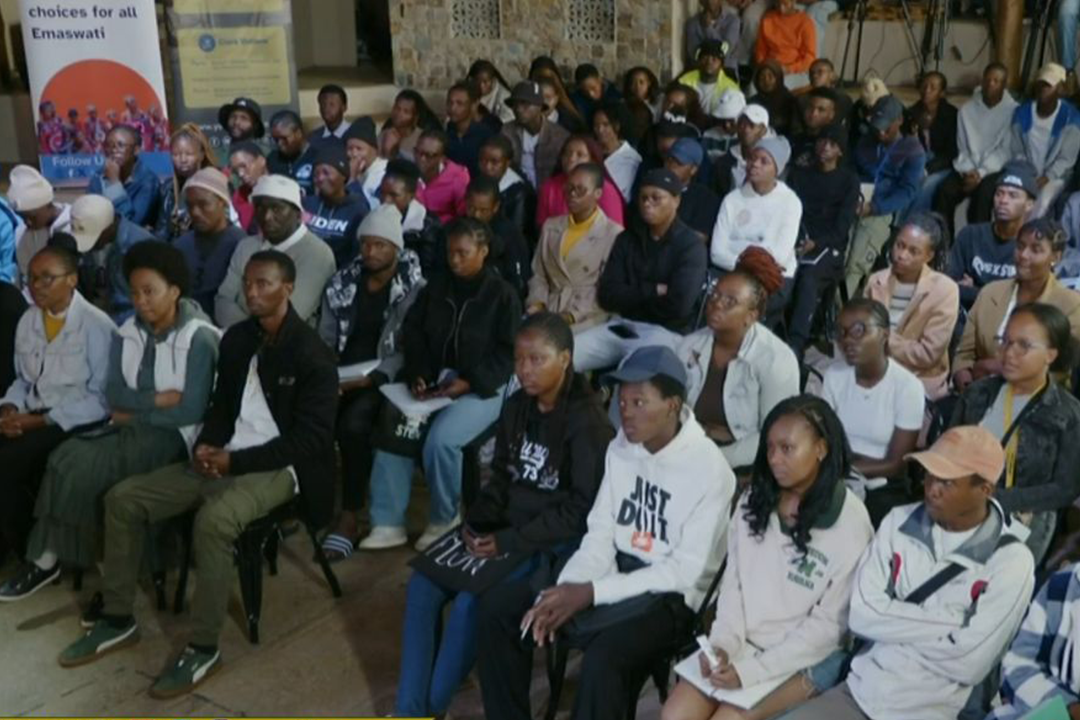
MALKERNS – A powerful and solution-driven conversation on the future of healthcare unfolded as the MTN Bushfire Bring Your Fire Live Dialogue convened under the theme “Beyond Access: Rethinking Health Equity in Eswatini”, bringing together youth leaders, health experts and development partners in a united call for a fairer and more inclusive health system.
The dialogue, held at House on Fire, Malkerns, on Wednesday, 20 May 2026, focused on critical public health priorities including medical access, HIV prevention, mental health, sexual and reproductive health rights, and community wellbeing. Speakers repeatedly stressed that health equity must move beyond policy discussions and translate into lived, everyday access for all citizens.
At the heart of the discussions was a shared concern that inequality in healthcare delivery continues to affect vulnerable populations, particularly those in rural areas, young people, and low-income communities.
Thulani Mtetwa, Prevention Programme Manager at AIDS Healthcare Foundation Eswatini (AHF Eswatini), said health equity is about ensuring that no one is excluded from healthcare services due to their social or economic status. He emphasized that “health equity means ensuring that every person receives healthcare services regardless of age, gender, income level, disability or social status,” adding that rural communities must be deliberately included in health planning and service delivery.

Zenanile Dlamini of UNFPA Eswatini linked health outcomes to broader socio-economic conditions, arguing that equity cannot be achieved without addressing structural barriers. She noted that poverty, transport costs, food insecurity and digital exclusion continue to limit access to essential services, stating that “we cannot speak about health equity without addressing economic justice.”
Dr Wonder Shava, Medical Director at The Luke Commission, reinforced that health equity is not only about infrastructure but also about the quality and dignity of care received by patients. He explained that even where clinics exist, many communities still face challenges related to distance, affordability and access to medication, stressing that “equity is not only about having clinics, but also about dignity of care and ensuring patients actually receive the medication they need.”
Participants also raised concerns around HIV prevention, mental health services, and sexual and reproductive health rights, calling for stronger youth-friendly programmes, improved counselling services, and better integration of community-based healthcare interventions.
@eswatini.positive
There was a strong consensus that all health sector stakeholders need to work collaboratively to strengthen health systems, improve coordination, and ensure that services are inclusive, accessible and responsive to the real needs of communities. Speakers emphasized that government, civil society, development partners and communities themselves must align efforts if meaningful progress is to be achieved.
The MTN Bushfire platform was commended for providing a space where youth voices and technical experts converge to shape practical solutions for national development challenges.
The dialogue concluded with a clear message: achieving health equity in Eswatini requires more than expanded services—it demands a transformed, people-centred health system built on dignity, inclusion, and shared responsibility across the entire health sector.
#MTNBushfire #BringYourFire #EswatiniHealth #HealthEquity #HIVPrevention #MentalHealthAwareness #SRHR #YouthVoices #PublicHealth #CommunityWellbeing


