


BY GCWALISILE MHLABANE
MBABANE – Eswatini’s ambition to attain high-income economy status received a significant boost on Thursday, May 21, 2026, as Government and the United Nations convened the first Joint National Steering Committee (JNSC) meeting to operationalise the United Nations Sustainable Development Cooperation Framework (UNSDCF) 2026–2030.
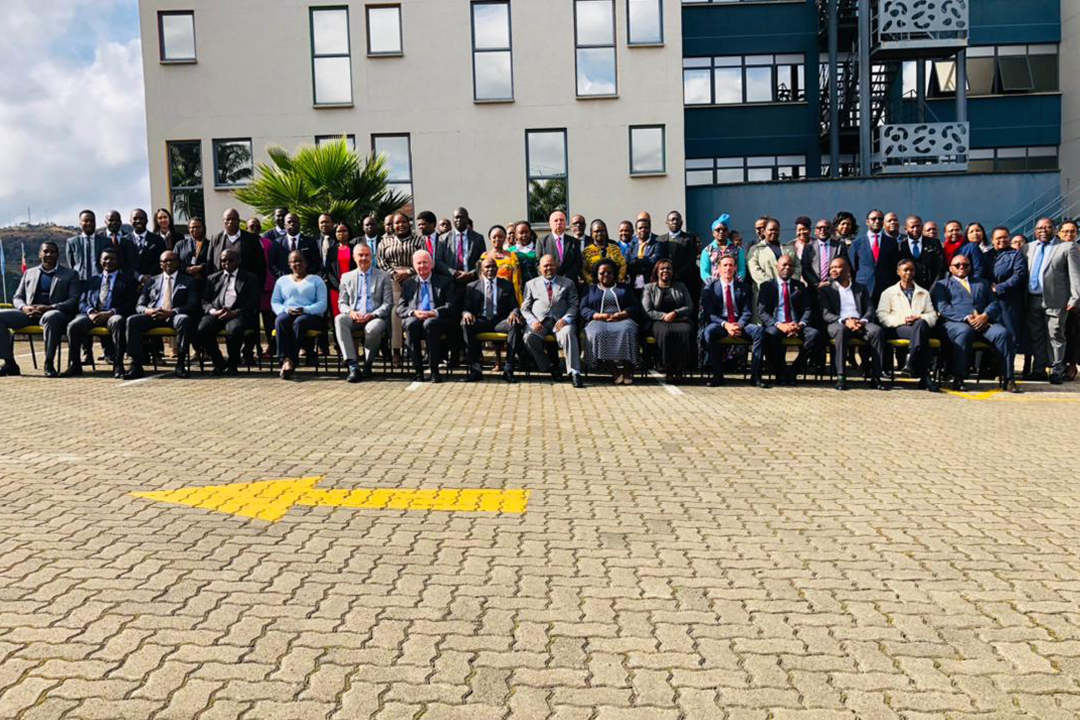
Held at the UN House in Mbabane, the meeting marked the first formal governance session since the framework was launched and signed in November 2025. The gathering brought together senior government officials, United Nations agencies, development partners, civil society organisations, academia and private sector representatives to review and adopt the Joint Work Plans for 2026–2027.
The UNSDCF 2026–2030 is a five-year strategic partnership between the Government of Eswatini and the United Nations designed to guide development cooperation, policy support and investment priorities in line with the National Development Plan 2023–2028 and the Sustainable Development Goals (SDGs). The strategy focuses on inclusive economic transformation, stronger governance systems, improved service delivery and sustainable development across key sectors.
With approximately 58.9 percent of emaSwati living below the poverty line, youth unemployment above 50 percent and inequality levels among the highest globally, government said the cooperation strategy was aimed at accelerating inclusive growth, strengthening institutions and expanding economic opportunities.

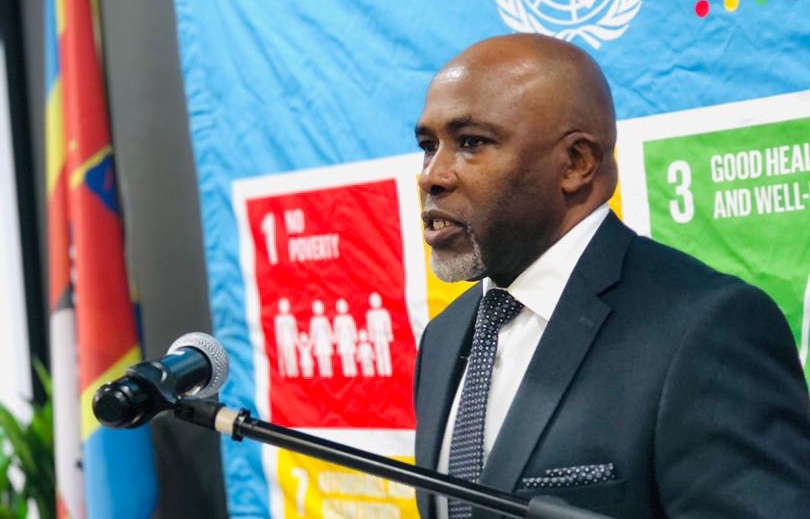
United Nations Resident Coordinator in Eswatini, George Wachira described the UNSDCF as a transformative development blueprint capable of repositioning Eswatini for long-term economic expansion.
Wachira said the framework was developed through extensive consultations conducted between August 2024 and October 2025 and resulted in what he termed a “2-2-9-41 framework” consisting of two strategic priorities, two mutually reinforcing outcomes, nine outputs and 41 measurable indicators.

He noted that the framework intentionally focused on fewer but high-impact interventions aligned with national priorities and the SDGs.“The overall strategic direction of the Cooperation Framework is transforming systems and strengthening institutions through integrated policy support and development interventions,” Wachira said.
He further mentioned that the implementation of the strategy comes at a time when the global development landscape faces shrinking donor support, climate-related emergencies, widening inequalities and rising economic pressures.
Despite these challenges, Wachira said the United Nations development system continued to record measurable achievements globally between 2021 and 2025.
He revealed that in 2025 alone, the UN reached 124 million people with food assistance, while approximately 178 million out-of-school children gained access to education between 2022 and 2025 through UN-supported programmes.
According to Wachira, 84 percent of governments surveyed in 2025 rated UN support for climate and environmental priorities as effective, while 86 percent expressed confidence in health support and 79 percent positively rated education and digital learning programmes. “These global and national results matter, and it is of concern that they are at risk if the funding environment continues to deteriorate,” he said.
Wachira revealed that the Joint Work Plans for 2026–2027 require US$27.6 million, equivalent to approximately E453.1 million, of which US$21.3 million has already been secured, leaving a funding gap of US$5.8 million.
He said the UN was also developing flagship investment initiatives aligned with urgent government priorities to attract scalable co-investments from development partners, international financial institutions and the private sector.
“The private sector must be at the centre of development financing,” Wachira said, adding that sustainable growth and job creation would depend on increased private investment supported by a stable and enabling policy environment.
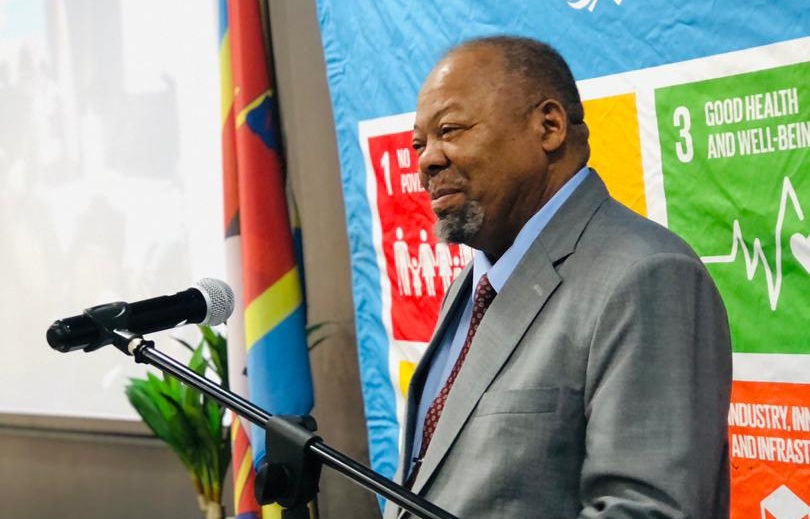
Minister of Economic Planning and Development, Thambo Gina said the UNSDCF was fully aligned with the Government’s 2024 Policy Statement on Economic, Social and Governance Transformation and the National Development Plan 2023–2028.
Gina said Government and the UN Country Team had maintained strong momentum since the framework’s launch in November 2025 by translating strategic priorities into costed Joint Work Plans for the 2026–2027 implementation period.
“This occasion marks a defining moment rather than a routine meeting,” Gina said. “Today, we take our first decisive step forward by turning our shared commitments into concrete, time-bound and accountable action plans.”
He urged line ministries, development partners and stakeholders to fully own the implementation process to ensure the cooperation strategy delivered tangible results. “This framework must become a reality, not a document on a shelf,” he said.
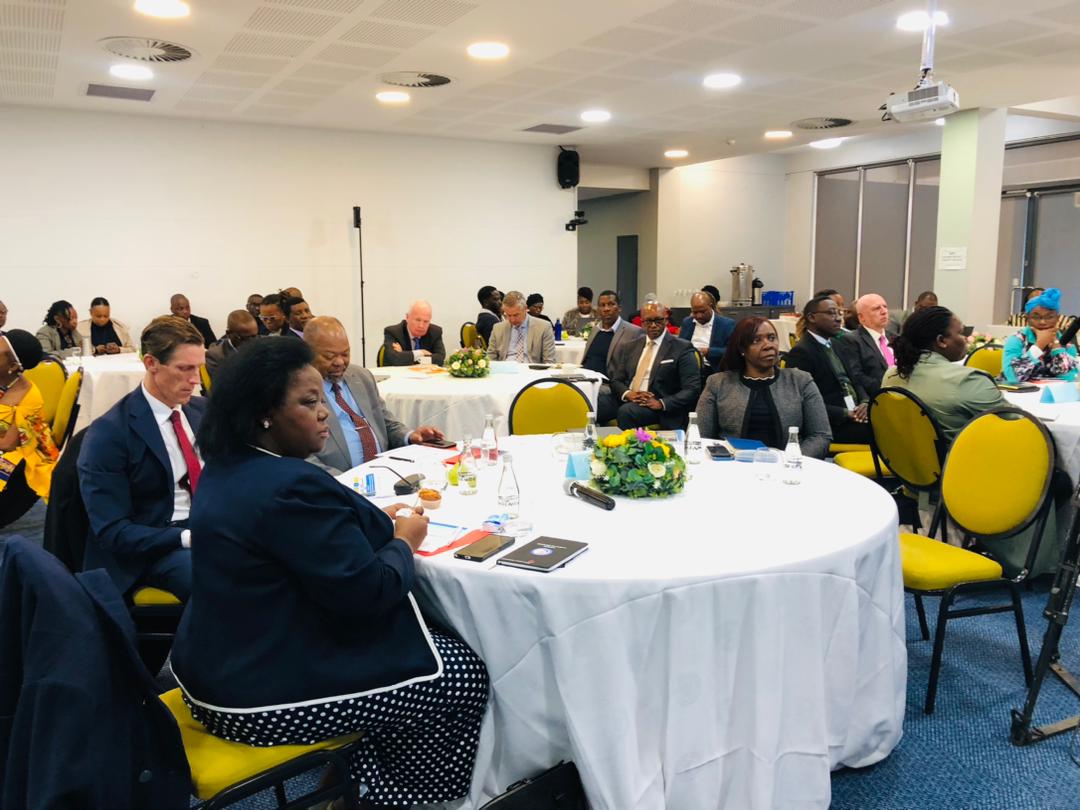
During the meeting, delegates also received presentations from sectors supported under the UNSDCF, including health, education, economic growth and environmental sustainability. The presentations outlined key indicators, proposed joint interventions, implementation timelines and budget allocations intended to strengthen accountability and ensure measurable development outcomes.
Program Policy Steering Group Chair, Henrik Franlin said the UNSDCF should serve as a strategic launchpad capable of propelling Eswatini towards sustainable growth and eventual high-income status.
The framework also welcomed five new signatories — IFAD, ITC, ITU, UNECA and UN-Habitat — bringing the total number of participating UN agencies to 21.
Stakeholders expressed optimism that the cooperation strategy would strengthen investment, improve service delivery and create opportunities capable of moving Eswatini closer to its ambition of attaining high-income status.
#EswatiniNews #UNSDCF #EconomicTransformation #HighIncomeEconomy #UnitedNations #GovernmentOfEswatini #NationalDevelopment #JNSC #Health #Education #ClimateAction