



BY MFANUFIKILE KHATHWANE
LOBAMBA – His Majesty’s Correctional Services (HMCS) says it is moving to install solar power systems and complete borehole projects across correctional centres in a bid to reduce soaring utility costs that have reached E3 million per month.
This was revealed during a Public Accounts Committee (PAC) meeting with HMCS on May 22, 2026, after the Office of the Auditor General questioned a sharp increase in electricity expenditure.
According to the Auditor General’s Office, HMCS spent E13 million on electricity in the previous financial year, while expenditure for the 2025 financial year under review rose to E19 million. This reflected an increase of E6 million, representing about 46 per cent.
The Auditor General’s Office requested HMCS to explain the significant increase before the PAC.
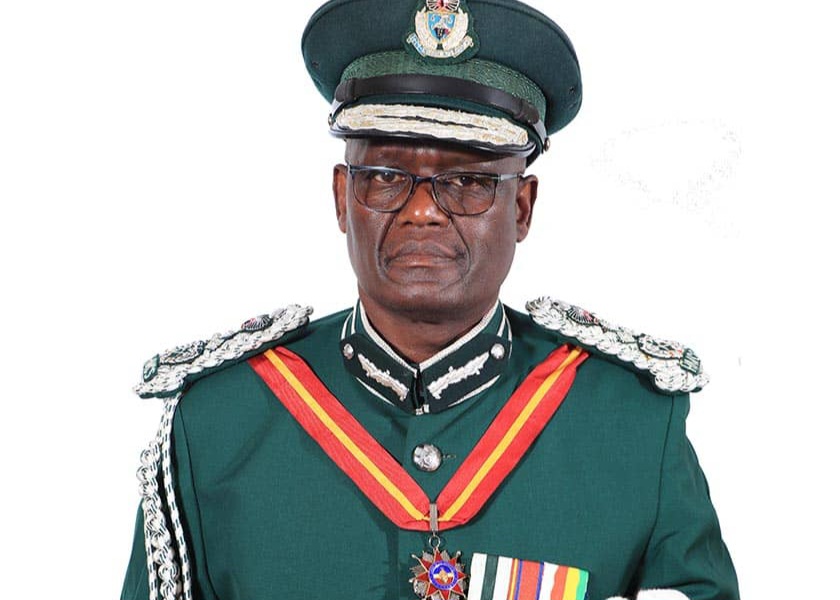
Responding to the concerns, HMCS Chief Officer Mpendulo Matsebula said the allocated budget for utilities was no longer enough due to the rising costs of water and electricity.
He said utility expenses for correctional centres were now averaging about E3 million per month.
Matsebula said HMCS had already started measures aimed at reducing the expenditure, including the installation of solar power systems and the drilling of boreholes at some correctional facilities.
“We are working on introducing solar energy and completing borehole projects in some centres in order to curb the high expenditure on utilities,” he said.
PAC member Hon. Mzwandile Mamba described the electricity expenditure as shocking, but acknowledged that water and electricity costs had become very high.
He said Members of Parliament who visit correctional centres understood the heavy demand for water and electricity within the facilities.
Mamba commended HMCS for taking steps to mitigate the escalating costs and asked for timelines on when the solar power and borehole projects would be completed.
Another PAC member, Dvokodvweni MP Sifiso Shabalala, said HMCS was one of the government departments showing creativity in managing operational costs.
He supported the introduction of solar energy and boreholes and requested information on the estimated budget and completion timelines for the projects.
PAC Vice Chairperson Manzi Zwane said Parliament also needed to look into the broader issue of solar energy regulations, saying the Ministry of Natural Resources and Energy had strict requirements.
Zwane further said the Eswatini Electricity Company and Eswatini Water Services Corporation were becoming more commercial entities rather than service providers.
“Parliament should discuss this matter and see what can be done,” he said.
HMCS Deputy Commissioner Luke Malindzisa told the committee that the institution has about 12 correctional centres across the country and some boreholes had already been drilled in phases.
He said the remaining challenge was completing the projects due to delays in acquiring pumps and other equipment needed to make the boreholes operational.
Malindzisa appealed to Parliament to assist HMCS with additional funding to complete the projects.
He cited Matsapha Correctional Centre and Sidwashini Correctional Centre as examples where borehole projects were already operational with Parliament’s support.
He however noted that HMCS also faced challenges in obtaining permission from the Eswatini Water Services Corporation in centres located within townships where there was already water infrastructure.
Malindzisa clarified that the high utility bills were mainly driven by the large inmate population and not correctional officers.
He said correctional centres currently housed more than 4 000 inmates, while only 17 deportees from America were being kept in the facilities.
#Eswatini #HMCS #PAC #ElectricityBills #SolarPower #Boreholes #CorrectionalServices #Utilities #Parliament