



- Stakeholders unite to strengthen cultural preservation, innovation and tourism development
By Phumelele Gamedze (Intern)
MBABANE – Eswatini has taken another important step towards safeguarding its cultural identity after heritage experts, cultural practitioners, government representatives and development partners gathered for a strategic workshop focused on preserving the nation’s heritage while embracing digital innovation.
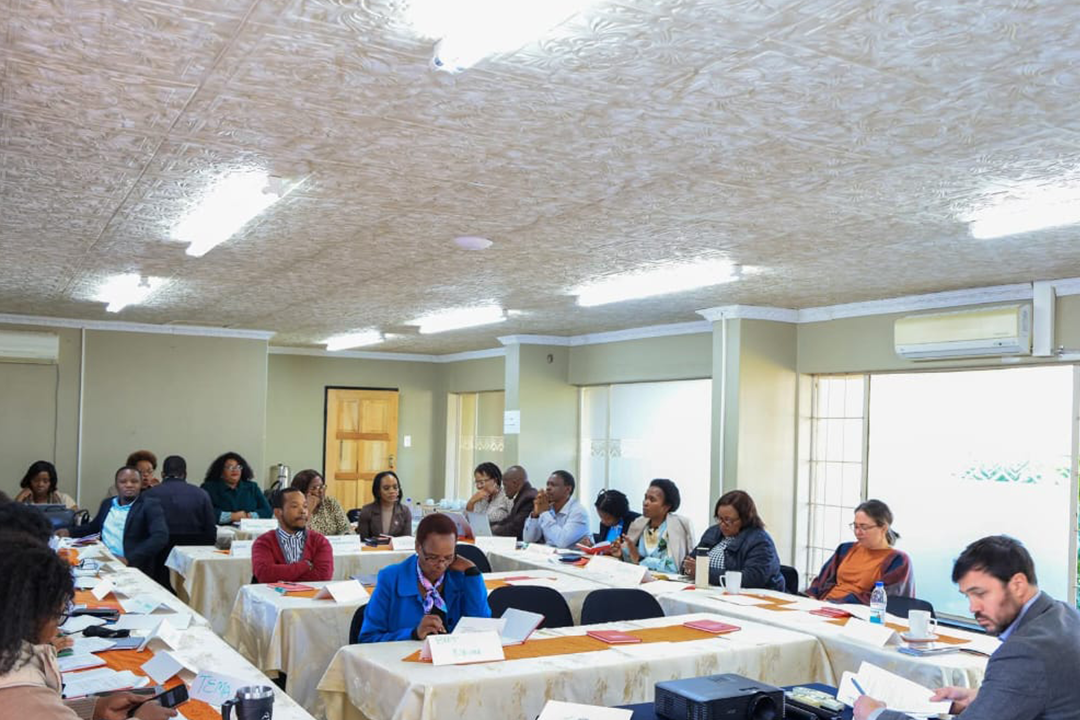
Organised by the Eswatini National Trust Commission (ENTC) through its Cultural Heritage Department in partnership with the U.S. Embassy in Eswatini, the half-day workshop was held under the theme ‘Heritage in Practice: Collaboration and Cultural Infrastructure in Eswatini’. The engagement created an opportunity for stakeholders to explore practical solutions for strengthening the country’s cultural heritage sector and ensuring its long-term sustainability.
The workshop was facilitated by Charlie Lockwood, Executive Director of the Museum of International Folk Art in Santa Fe, New Mexico, United States. Drawing from international experience, he guided discussions on the value of collaboration, innovation and investment in cultural infrastructure as key pillars for protecting heritage assets and expanding public access to them.
Participants examined a broad range of issues, including museum development, preservation of heritage sites, placemaking initiatives and the growing role of digitisation in cultural conservation. Discussions highlighted how modern technologies can help document, preserve and showcase cultural artefacts and traditions, making them accessible to future generations and wider global audiences.

Beyond preservation, the workshop explored the contribution of cultural heritage to national development. Stakeholders identified cultural tourism, community participation and educational programmes as important opportunities capable of generating economic benefits while strengthening national pride and cultural identity.
The engagement also allowed institutions to share successes, lessons learned and challenges facing the heritage sector. Participants emphasised the need for stronger partnerships among government institutions, communities, cultural organisations and international partners to ensure that Eswatini’s cultural treasures remain protected and relevant.
Discussions further encouraged innovative thinking on how museums and heritage sites can become more inclusive, educational and attractive destinations for both local and international visitors. Such efforts are expected to enhance public appreciation of Eswatini’s history while supporting tourism growth.
The workshop marks another milestone in Eswatini’s journey towards a connected and digitally empowered heritage sector. By combining traditional knowledge with modern technology, the country is creating new opportunities to preserve its unique cultural legacy, strengthen community participation and unlock the economic potential of heritage-based tourism.
According to the Eswatini National Trust Commission, collaborative initiatives of this nature are vital in building a resilient cultural heritage ecosystem that honours the nation’s past while positioning it for future growth and innovation.
Photo Caption: Participants engage in discussions during the Heritage in Practice workshop hosted by the U.S. Embassy Eswatini and the Eswatini National Trust Commission.