



- Maidens receive traditional songs for this year’s ceremony
- Regiments dedicate Umhlanga performances to King’s double celebration
- Cross-border maidens join preparations at Ludzidzini
BY MFANUFIKILE KHATHWANE
LOBAMBA – Preparations for the 2026 Umhlanga Ceremony have officially gathered momentum, with the Libutfo leMbali this weekend receiving traditional songs they will perform during the kingdom’s biggest cultural festival, which begins on August 25 and reaches its climax on August 31, 2026.
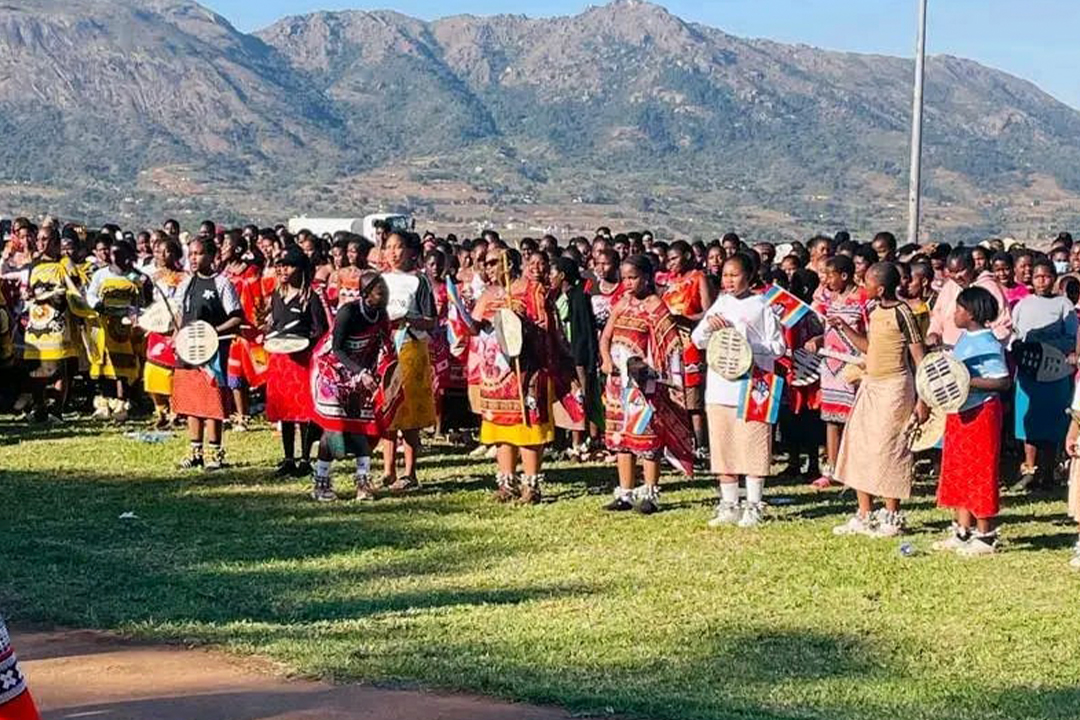
Hundreds of maidens arrived at Ludzidzini Royal Residence on Friday for kulandza ingoma (receiving traditional songs) and remained there until Sunday, marking one of the key cultural preparations ahead of Umhlanga.
The main ceremony on August 31 has been blessed by Their Majesties as a public holiday, allowing Emaswati to participate in the national celebration.
Songs honour King milestone

Speaking during the gathering, Indvuna yeMbali Bongiwe Vivane Hlatjwako said this year’s songs will carry a special message of gratitude and congratulations to His Majesty King Mswati III as the country continues celebrating his 40 years on the throne and 58th birthday.
She said one of the songs to be performed is “LakaNgwane Selidvume Ngawo Emasiko,” which celebrates Eswatini’s rich cultural heritage.
Another song is “Asibonge Kusomandla, Mvelincanti Kusigcinela Yona Imbube Yemahlaba,” thanking God for preserving the King.
The third song, “Sihalalisela Yona Imbube Kuba Sesihlalweni, Solo Ibusa Lona Live LemaSwati,” congratulates the King on his continued reign over the Kingdom of Eswatini.
Hlatjwako said the performances will reflect the nation’s continued celebration of the King’s double milestone while showcasing the unity and cultural pride of the Imbali.
Cross-border participation
The preparations also attracted Libutfo leMbali from across Eswatini’s borders, highlighting the growing participation of Emaswati living in neighbouring countries who continue to preserve and celebrate the kingdom’s cultural traditions.
Their presence demonstrated that Umhlanga continues to unite Emaswati regardless of where they live.
Life skills training
Besides rehearsing traditional songs, the maidens also received life-skills education from several organisations, including Khulisa Umntfwana and other stakeholders.
The sessions focused on empowering young women with guidance on responsible living, personal development and values while preserving the cultural significance of Umhlanga.
Meaning of Kulandza Ingoma
In siSwati culture, kulandza ingoma, which literally means “fetching a song”, is one of the most important preparations before Umhlanga.
During the process, the lead singer introduces a new traditional song while the rest of the regiment responds in perfect harmony. The songs are then rehearsed repeatedly until every maiden masters the lyrics, rhythm and choreography that will be showcased during the main ceremony.
Last year, the Imbali travelled across all four regions of Eswatini during kulandza ingoma, strengthening unity among the regiments while preserving traditional songs passed down through generations.
About Umhlanga
The Umhlanga Reed Dance is Eswatini’s largest annual cultural ceremony, bringing together tens of thousands of unmarried and childless girls and young women, known as Imbali.
Held over eight days in late August, the ceremony celebrates cultural identity, womanhood, discipline, unity and respect for the monarchy.
The name Umhlanga means “reed” in siSwati. One of the ceremony’s central purposes is for maidens from more than 200 chiefdoms to collect tall reeds from riverbanks and present them at Ludzidzini Royal Residence, where they are used to repair the natural windbreak surrounding the residence of the Indlovukazi (Queen Mother).
The ceremony also promotes moral values, encourages discipline among young women and strengthens sisterhood through communal living, teamwork and leadership.
Eight-day programme
The ceremony follows a carefully organised programme.
The first two days are dedicated to the arrival and registration of maidens before they march to the reed-growing areas.
During the third and fourth days, they cut the reeds and prepare large bundles.
On the fifth day, they return to the royal residence carrying the reeds on their shoulders.
The sixth day is reserved for rest, rehearsals and final preparations.
The final two days feature the delivery of reeds to the Queen Mother and the spectacular cultural performances before His Majesty King Mswati III, members of the Royal Family and thousands of local and international spectators.
Major economic boost
Beyond its cultural significance, Umhlanga is one of Eswatini’s biggest tourism and economic events.
Each year, the festival attracts thousands of international visitors, photographers and researchers, leading to full occupancy in hotels, guest houses and lodges across Mbabane, Manzini and the Ezulwini Valley.
Traditional beadwork makers, clothing producers and craft sellers experience increased demand as maidens prepare their regalia, while informal traders generate significant income from food, refreshments and souvenirs during the ceremony.
The event also creates seasonal employment in transport, hospitality and tourism while encouraging infrastructure improvements around royal residences and major routes used during the festival.
As preparations intensify ahead of Umhlanga 2026, the gathering of the Libutfo leMbali has once again signalled the beginning of one of Africa’s most celebrated cultural events, where tradition, unity and national pride take centre stage.
(Courtesy pic)
#khulisa Umntfwana #Umhlanga2026 #LibutfoLeMbali #KulandzaIngoma #KingMswatiIII #EswatiniCulture #Ludzidzini #CulturalHeritage #ReedDance #Tourism