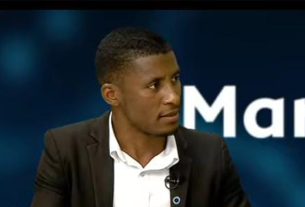




BY NOXOLO DLAMINI
PIGG’S PEAK- His Majesty’s Correctional Services (HMCS) Executive Command Retreat entered its third day with a strong focus on preparing officers for life after employment, strengthening implementation of the HMCS Strategic Plan 2026–2031, and building a stronger organisational culture of risk management.
Day Three brought together facilitators from the University of Eswatini (UNESWA), who challenged senior officers to look beyond retirement as simply the point at which pension benefits begin.
Dr. Zanele Dlamini, Director of the Consultancy and Training Centre, and Kholwaphi Dlamini-Mdziniso, Director of the Tive Leadership Centre, highlighted what they described as a growing “retirement readiness gap”, stressing that retirement requires preparation across financial, physical, emotional, family and personal dimensions.
Financial literacy emerged as a key component of retirement preparedness, with officers encouraged to strengthen their ability to budget, save, understand investment opportunities, manage retirement funds and protect their wealth from fraud.
The facilitators also placed emphasis on estate planning and wealth protection, covering areas including wills, trusts, beneficiary planning, asset protection and inter-generational wealth transfer.
Officers were further encouraged to develop a sense of purpose beyond their careers, with entrepreneurship and other meaningful activities identified as ways of making the transition into retirement more fulfilling.
BUILDING A CULTURE OF RISK AWARENESS
The retreat also turned its attention to organisational risk management, with Sandile Dlamini, an Internal Auditor from UNESWA, facilitating a session aimed at strengthening risk awareness across HMCS.
Dlamini explained that effective risk management should not be viewed as the responsibility of one department, but as an organisation-wide responsibility that supports the achievement of strategic objectives.
He covered key areas including different types of risk, risk management frameworks, Enterprise Risk Management (ERM), risk identification and assessment, risk responses, internal controls and monitoring.
The session also introduced senior officers to concepts such as risk appetite, risk tolerance, Key Risk Indicators (KRIs) and organisational risk maturity.
The practical discussions were aimed at helping HMCS identify potential threats early, assess their possible impact and put appropriate controls in place before risks negatively affect operations.
Meanwhile, the Strategic Plan Drivers, led by Chairperson Assistant Commissioner Elliot Zikalala, presented findings from station tours conducted to assess officers’ understanding and implementation of the HMCS Strategic Plan 2026–2031.
The team identified areas requiring attention, including partial understanding of the strategic plan, implementation challenges and operational concerns at station level. Recommendations were presented to improve communication, accountability, alignment and overall execution.
Day Three ultimately reinforced two important messages: officers must prepare today for life after employment, while HMCS must prepare today to manage tomorrow’s organisational risks.
The retreat continues to provide a platform for the Executive Command to reflect on institutional performance, strengthen leadership and ensure that the strategic direction of HMCS translates into effective action across the organisation.
#HMCSRetreat #HMCS #RetirementReadiness #RiskManagement #StrategicPlan
#UNESWA #SandileDlamini #ElliotZikalala #FinancialLiteracy #Leadership #EnterpriseRiskManagement #CorrectionalServices #Eswatini
(Courtesy Pic)