



BY LINDELWA MYENI
MBABANE– Umhlanga 2026 was more than the colourful spectacle of singing and dancing before Their Majesties, as seven days spent following Imbali from their arrival at Ludzidzini Royal Residence to the reed-cutting fields and the final Kugidza revealed the preparation, endurance and cultural significance behind the annual ceremony.
The journey offered a rare opportunity to experience the ceremony beyond what is usually seen on television and social media, with long walks, Kushuca, reed cutting, Kucitsa Umhlanga and finally Kugidza providing a different perspective of a tradition that brings thousands of maidens together.
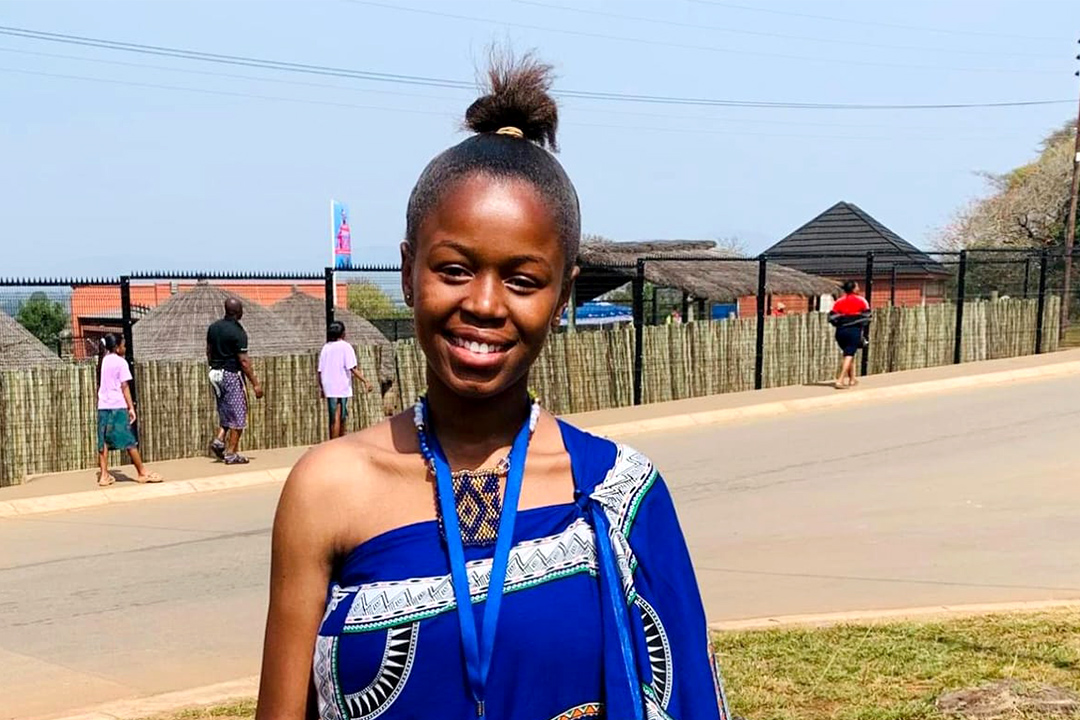
My seven-day experience took me from Ludzidzini Royal Residence to the reed-cutting fields, through long walks and moments of exhaustion, before ending with the spectacle of Kugidza. It was an experience that changed the way I look at the ceremony.
DAY 1: WHERE IT ALL BEGAN

The first signs that Umhlanga 2026 would be a massive gathering were visible as Imbali made their way to Ludzidzini Royal Residence. Thousands of young women arrived for registration, filling the Royal Residence with movement and activity.
Groups travelled together, conversations could be heard everywhere and there was a growing sense of excitement about what lay ahead. Having mostly followed Umhlanga through online coverage in previous years, being able to witness the beginning of the process gave me a different perspective.
The ceremony does not begin when the maidens dance before Their Majesties. It starts much earlier, with the gathering of Imbali and the preparations for the journey ahead.
DAY 2: THE LONG ROAD TO NGABEZWENI
The following day introduced me to Kushuca. Imbali were commissioned by Her Majesty Indlovukazi to travel from Ludzidzini to Ngabezweni, from where they would later proceed to their respective areas for reed cutting.
Thousands of people moving in the same direction created a unique atmosphere. There was singing along the way, laughter among the maidens and conversations that made the long journey feel less demanding.
It was, however, a physically tiring experience. One of the biggest surprises of the day came when we arrived at Ngabezweni and received sneakers from His Majesty the King.
After all the walking and standing, receiving a pair of sneakers could not have come at a better time. Beyond the practical value of the gift, there was something special about receiving a gesture directly from His Majesty.
It was an unexpected moment that became one of the highlights of my experience. Bayethe Wena Waphakathi.
From Ngabezweni, Imbali were then sent to their different destinations, where the next stage of the journey would begin.
DAY 3: WHERE THE REAL WORK HAPPENS
The third day took us away from the main crowds and into the fields. We travelled to Masundvwini, where Imbali camped before heading to the reed-cutting area at Masundvwini Farm.
This was perhaps when the ceremony began to feel different to me. There were no grand stages. Instead, there were fields, reeds and thousands of maidens taking part in an important part of the tradition.
We walked from the camping area to Esidzidzini, where the reeds were cut. Her Royal Highness Princess Ntsandvweni was present, while Indvuna Yembali Mpilwende Fakudze led Imbali in walking dances and interacted with the maidens. The atmosphere was filled with singing and dancing as the reed cutting continued.
Watching the maidens work in the fields also gave me an appreciation for the commitment involved in maintaining the tradition. This was not simply about eventually appearing before Their Majesties.
There was work to be done first. And once the work was completed, there was another Kushuca, this time from Esidzidzini back to the camping area.
By then, the physical demands of the journey were becoming impossible to ignore. My feet were tired, my back was aching, but somehow the conversations, laughter and songs along the way kept the mood alive.
DAY 4: SEEING UMHLANGA THROUGH A DIFFERENT LENS
Day four forced me to experience Umhlanga differently. I could not be physically present, so I followed the proceedings online. Among the activities I watched were those involving Langolotjeni, the youngest maidens, who travelled to Ezulwini for reed cutting.
Ordinarily, watching an event online can feel detached from what is happening on the ground. This time, it was different. I had already walked alongside Imbali. I had experienced the journey to the fields and witnessed the reed-cutting process. That meant that when I watched the proceedings on my screen, I understood more of what had happened before the cameras arrived.
DAY 5: A MUCH-NEEDED PAUSE
After several days of walking, travelling and participating in the activities, the fifth day provided an opportunity to stop. It was a day of rest. And after experiencing the physical demands of the previous days, the importance of that break became very clear.
It gave the body time to recover and provided an opportunity to reflect on everything that had happened so far. At that point, Umhlanga was no longer something I was simply covering as a journalist.
I was experiencing the journey behind the event I had previously known largely through pictures and videos.
DAY 6: WHEN THE REEDS CAME HOME
Day six brought the journey back to Ludzidzini. Imbali paraded before Their Majesties, led by Her Royal Highness Princess Sakhizwe, Liphovela LaZuma and Indvuna Yembali Bongiwe ‘Vivane’ Hlatjwako. This was Kucitsa Umhlanga.
For me, it was one of the most meaningful moments of the entire experience. I could now connect the different stages I had witnessed. The maidens I had seen arriving at Ludzidzini were the same ones I had travelled with. The fields I had walked through were where the reeds had been harvested.
And now those reeds were being brought before Their Majesties. The presentation therefore carried a different meaning for me. I was not simply seeing bundles of reeds being presented. I was seeing the result of days of travelling, walking and working.
The maidens also sang and danced before Their Majesties, adding another layer to the ceremony. It was at this point that I realised how much of Umhlanga happens before the moment that receives the most attention.
DAY 7: THE MOMENT EVERYTHING CAME TOGETHER
Then came Kugidza. After everything that had happened during the week, there was no question that I wanted to witness the final day physically. And when the maidens entered and the singing began, the atmosphere immediately changed.
The energy was overwhelming. Thousands of Imbali gathered together, singing and dancing before Their Majesties in a celebration that brought together culture, music and tradition. The occasion also carried special significance as numerous songs celebrated His Majesty the King’s 40 years on the throne and marked his 58th birthday.
The performances therefore went beyond entertainment. Through song and dance, the maidens were also part of commemorating important milestones in the life and reign of the King.
Then, as the ceremony came to an end, the sky lit up with fireworks, a historic first for Umhlanga. The fireworks brought an already vibrant celebration to an unforgettable close.
UMHLANGA IS BASICALLY A SCHOOL OF TRADITION
Perhaps one of the greatest lessons from my experience was realising that Umhlanga teaches even when nobody is formally standing in front of a classroom. There is much to observe.
The traditional regalia worn by the maidens tell their own stories. The headpieces, including emagwalala, and the different birth codes provide another layer of meaning to the gathering.
Standing among the maidens and watching the different elements of the ceremony come together made me appreciate how much knowledge is contained within the tradition.
You learn by watching. You learn by listening. You learn by taking part. And you learn by following the journey from its beginning to its conclusion.
Before Umhlanga 2026, my understanding of the Reed Dance was largely shaped by what I saw through television and online platforms. After seven days, that understanding had changed. I had seen the excitement of arrival at Ludzidzini. I had walked with Imbali during Kushuca. I had witnessed the cutting of reeds in the fields. I had experienced the exhaustion that comes with the journey. I had watched the reeds return to the Royal Residence. And finally, I stood among thousands of people for Kugidza.
The experience made one thing clear to me: the final dance is only the visible part of a much longer story. Behind every performance is preparation. Behind every bundle of reeds is a journey. Behind every song and dance is a tradition being passed from one generation to another. Umhlanga 2026 was therefore not simply an event I covered.
It was an experience that allowed me to see, hear and feel the journey behind the spectacle. And perhaps that is what makes the Reed Dance so much more than the few hours the world gets to see on the final day.
(Courtesy Pic)