


BY LINDELWA MYENI
MBABANE– Eswatini’s battle against plastic pollution could present an opportunity to attract international funding, technology and technical support as countries advance negotiations towards the world’s first legally binding global treaty on plastic pollution.
Heads of delegation from countries involved in the treaty negotiations are meeting virtually today, September 8, 2026, for the fourth informal meeting led by the Chair of the Intergovernmental Negotiating Committee to Develop an International Legally Binding Instrument on Plastic Pollution, Including in the Marine Environment (INC).
According to the United Nations Environment Programme (UNEP), the meeting is aimed at facilitating dialogue between countries, strengthening preparations and building greater understanding around issues that remain unresolved in the proposed treaty.
For Eswatini, the discussions could have practical implications for how the country manages plastic waste and accesses resources needed to strengthen its environmental systems.

The proposed treaty could influence how plastics are produced, designed, traded, reused and disposed of, with countries divided over whether the agreement should focus mainly on waste management or cover the entire lifecycle of plastics, including production and potentially harmful chemicals.
A treaty that provides meaningful financial and technical support to developing countries could help Eswatini address some of the challenges facing its waste-management sector.
These could include strengthening waste collection systems, expanding recycling capacity, improving waste-processing technology and supporting the adoption of more sustainable alternatives to conventional plastics.
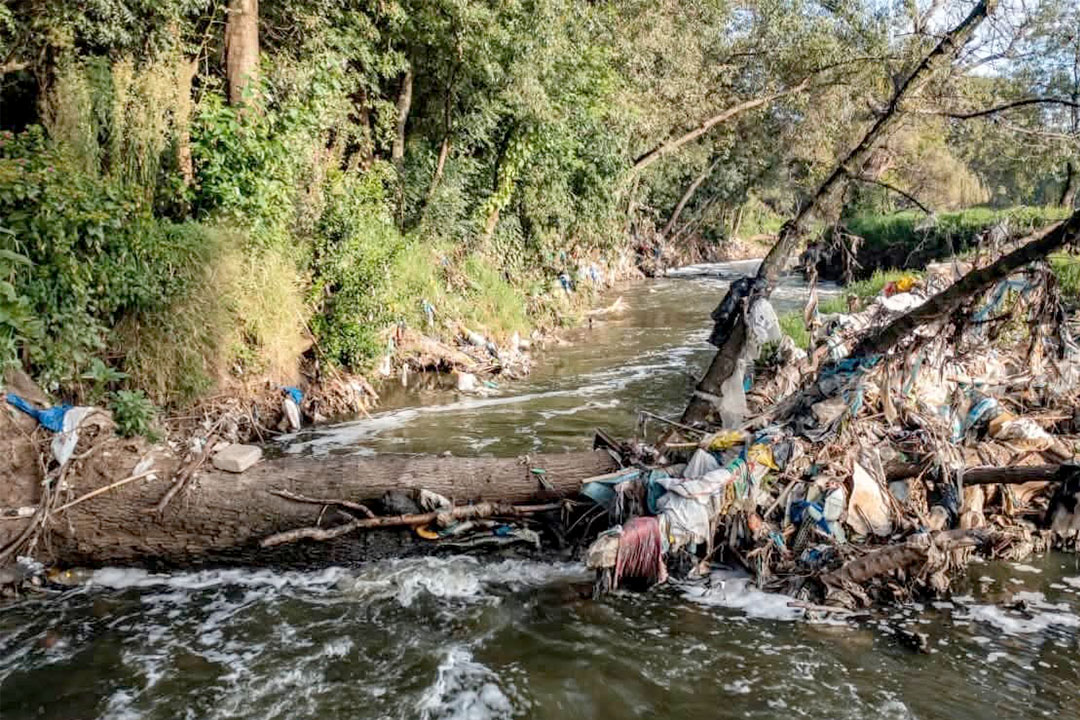
Plastic pollution is not only an environmental concern for the country. Discarded plastics can block drainage systems, litter communities, enter rivers, contaminate soil and pose risks to livestock and wildlife.
The challenge is also regional, as rivers and other water systems cross national borders, allowing poorly managed waste to move between countries.
Southern African countries face additional constraints, including limited recycling infrastructure, financially stretched municipalities and increasing volumes of plastic products entering local markets.
Against this background, international assistance could provide an important boost to countries seeking to build more effective and sustainable systems for managing plastic waste.
However, the benefits will depend on how the final agreement addresses the realities of developing countries. New obligations could place additional pressure on countries such as Eswatini if they are not matched by adequate financing, technology transfer and technical assistance.
The upcoming in-person discussions in Bangkok, Thailand, scheduled for September 27 to October 9, 2026, will provide another opportunity for countries to advance these issues ahead of the next formal negotiating session, INC-5.4, in 2027.
Although today’s meeting will not produce the final treaty, the positions developed and partnerships formed during the ongoing process could influence the eventual agreement.
For Eswatini, the global plastics negotiations therefore represent more than an international environmental discussion. They offer an opportunity to push for a framework that supports developing countries while helping unlock the resources needed to turn plastic pollution into a stronger agenda for environmental protection, recycling, innovation and green development.
#Eswatini #PlasticPollution #GlobalPlasticsTreaty #GreenDevelopment #EnvironmentalProtection #ClimateAction #Recycling #SustainableDevelopment #GreenInvestment #PlasticWaste #UNEP #Africa #SouthernAfrica
(Courtesy Pic)