


BY SIBUSISEKILE NDLANGAMANDLA
MANZINI – Government planning and budgeting officers are being equipped to make tougher and more realistic spending decisions as the country prepares its three-year plans for the 2027/28 to 2029/30 financial years.
At the centre of the process is the Integrated Financial Management Information System, known as UMSEBE IFMIS, which links Government programme priorities to the money actually available to fund them.
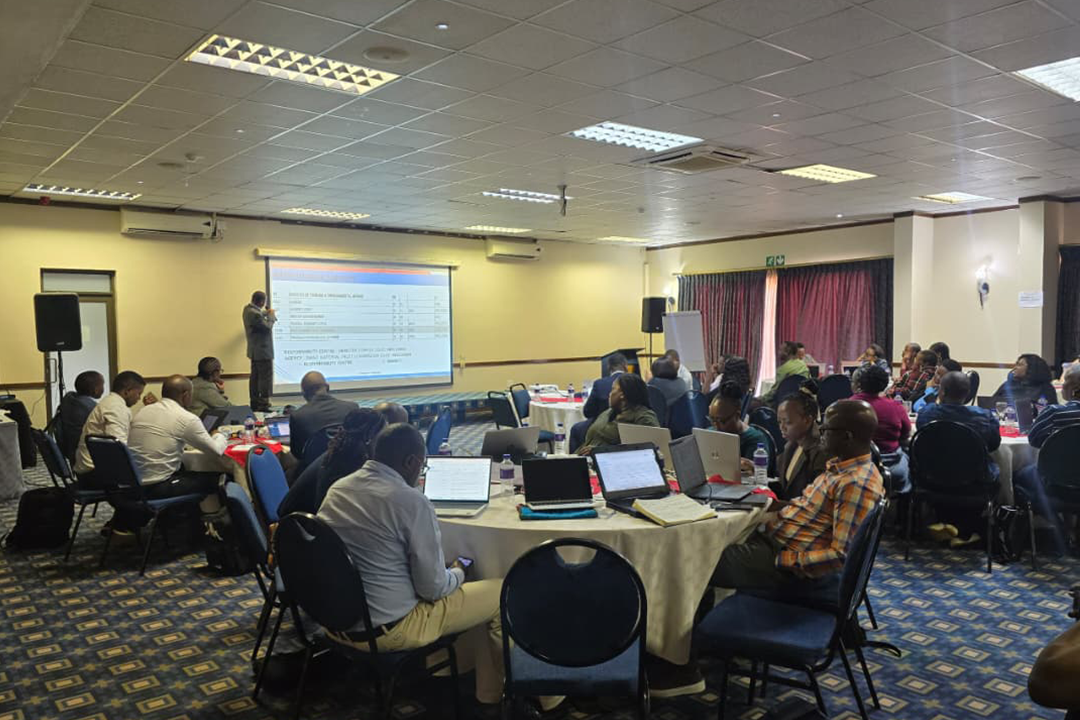
The system is being used as part of the second Programme-Based Planning and Budgeting Refresher Training hosted by the Ministry of Economic Planning and Development at The George Hotel in Manzini from September 21 to 25, 2026.
The training has brought together planning and budgeting officers from Government ministries and departments, who are being prepared to capture their three-year rolling plans into UMSEBE IFMIS ahead of the formal budgeting process.

A major feature of the system is that it automatically enforces validated budget ceilings.
This means ministries and departments cannot simply plan expenditure beyond the resources available to them. Where funding is limited, they are required to revisit their priorities and consider reducing or postponing activities that are less urgent.
The approach is expected to help Government maintain greater discipline in the way public resources are planned and allocated.
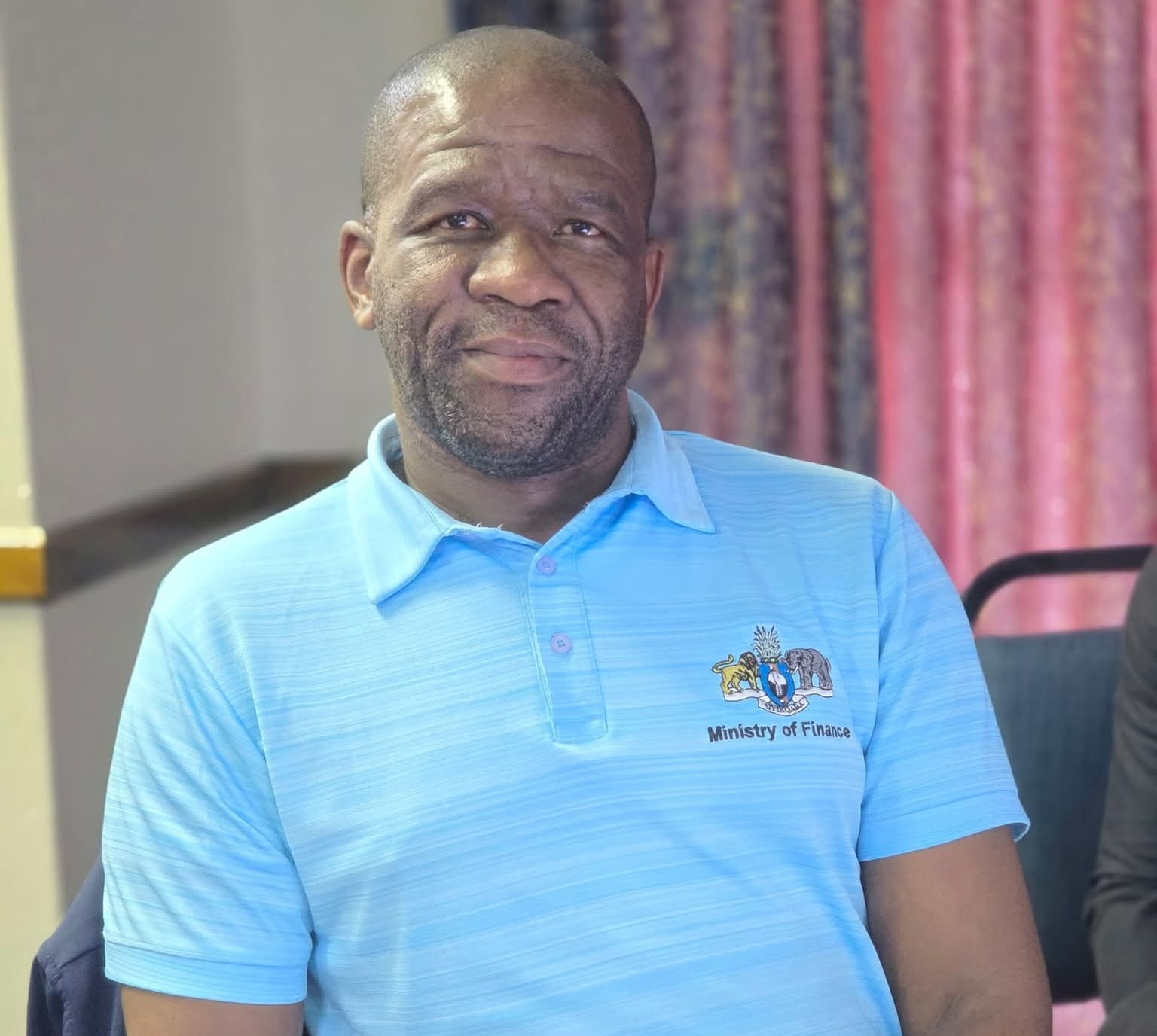
During the training, Muzi Dlamini from the Ministry of Finance guided participants through the Medium-Term Expenditure Framework, placing particular emphasis on prioritising expenditure within available fiscal resources.
Participants were also introduced to a Three-Tier Priority Framework, which separates expenditure into Non-Negotiables, High-Impact Operations and Deferrable Activities.
The framework is designed to protect essential services and critical Government commitments while identifying activities that can be adjusted when financial resources are constrained.
Principal Planning Officer Siphiwo Dlamini, who officially opened the training, welcomed the participating officers and thanked them for committing themselves to the exercise.
She said active participation from ministries and departments was important in strengthening coordination between Government planning and budgeting processes.
Another major focus of the training is data integrity.
Programme descriptions, targeted outputs and strategic performance indicators developed during the planning process are expected to remain aligned with the final expenditure figures entered into UMSEBE IFMIS.
This is intended to ensure that what Government plans to deliver is supported by corresponding financial allocations.
The Medium-Term Expenditure Framework also considers wider economic conditions before expenditure ceilings are determined. These include gross domestic product growth, inflation, exchange rates, the balance of trade, Government policy decisions and projected revenue.
As preparations for the 2027/28 financial year gather momentum, Government says the refresher training is giving officers practical skills to prepare plans that are realistic, properly costed and focused on measurable outcomes.
The broader objective is to strengthen the link between Government priorities, available financial resources and programmes intended to deliver meaningful results for citizens.