




BY NOXOLO DLAMINI
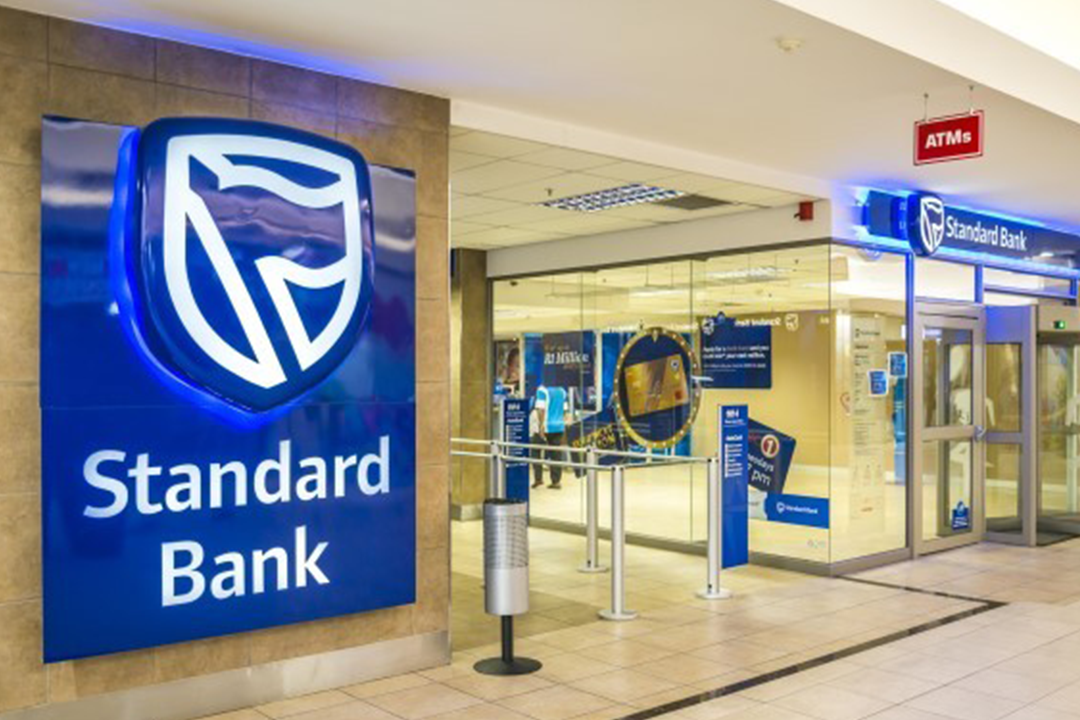
PIGG’S PEAK – Standard Bank Eswatini is preparing to bring back its Instant Money service as the bank moves towards shutting down the Unayo digital platform at the end of the year.
The development is likely to attract the attention of thousands of customers who have used the two services to send and receive money without necessarily relying on traditional bank transfers.
Standard Bank has started informing customers through SMS messages that Instant Money will be returning soon. However, the bank has not yet announced when the service will officially be relaunched, what it will cost to use or whether it will operate exactly as customers remember it.
The return comes at a significant moment for the bank’s digital services.

Unayo is scheduled to be discontinued on 31 December 2026, and customers who still have money stored in their Unayo accounts have been advised to withdraw their funds before the platform closes.
For customers, this creates an obvious question: why is Standard Bank returning to Instant Money after previously moving users to Unayo?
That question may only be fully answered once the bank releases detailed information about the new version of the service.
Unayo had been introduced as the successor to Instant Money and allowed users to send money through cellphone numbers, with recipients able to access the funds through Standard Bank ATMs and participating merchants. It later expanded into a broader digital financial services platform.
The banking environment has, however, changed considerably since then.
Standard Bank has linked the transition away from Unayo to developments in the country’s payment system, including the Eswatini Payment Switch, which enables real-time payments between participating banks and digital wallets.
This means the returning Instant Money service will be entering a market where consumers now have more options for transferring funds quickly.
Its success could therefore depend on issues that matter most to ordinary users, transaction fees, accessibility, withdrawal points, daily limits, ease of use and reliability.
These are details that Standard Bank has not yet publicly provided.
It also remains unclear whether Instant Money will return in its original format or whether the bank will introduce new features to fit the changing digital payments environment.
For customers who previously used the service, its return may offer a familiar alternative at a time when banking and mobile-payment services are becoming increasingly competitive.
The immediate priority, however, is for Unayo users to take note of the planned closure and follow the bank’s instructions regarding any money still held on the platform.
Until Standard Bank announces the formal launch arrangements, customers will have to wait for clarity on how Instant Money will work, where funds can be collected, what transaction limits will apply and how much the service will cost.
The coming weeks should therefore provide an important test of how the bank intends to manage the transition from one digital product to another without inconveniencing customers.
For the public, the biggest question is now simple: will the new Instant Money be cheaper, easier and more convenient than the service it is replacing?
That answer could determine whether the familiar product makes a successful comeback in Eswatini’s fast-changing payments market.


