



BY THEMBA ZWANE
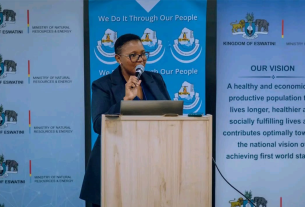
EZULWINI – Principal Secretary in the Ministry of Education and Training Naniki Mnisi has called on delegates attending the Pan-African Conference on Teacher Education (PACTED) 2026 to use the continental gathering to confront some of the most pressing challenges facing education systems, including Science, Technology, Engineering, and Mathematics (STEM), free education, school feeding, vulnerable children and Technical and Vocational Education and Training (TVET).
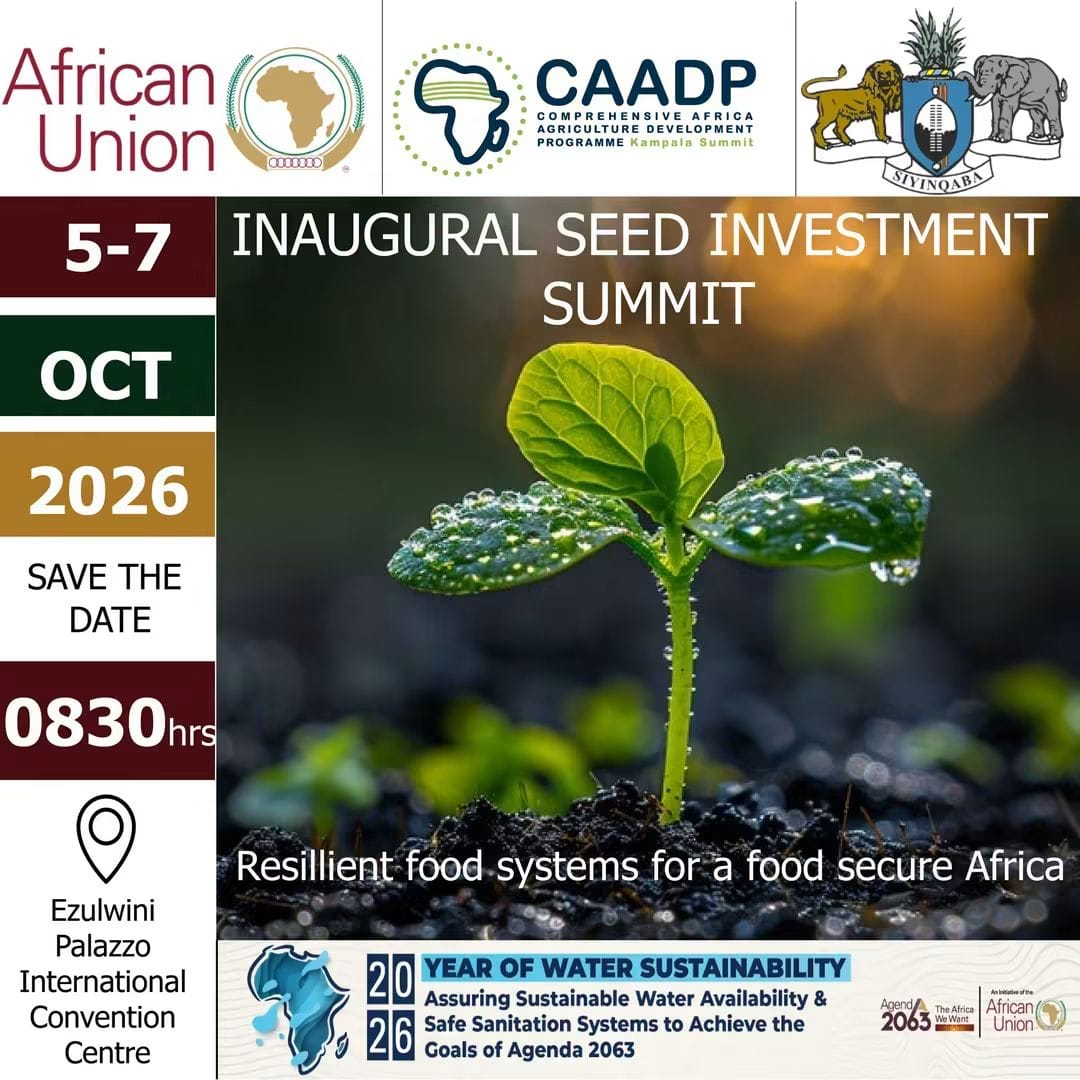
Mnisi made the call as the African Union (AU) and the Kingdom of Eswatini host PACTED 2026 from October 5 to 7 at the Ezulwini Palazzo International Convention Centre.
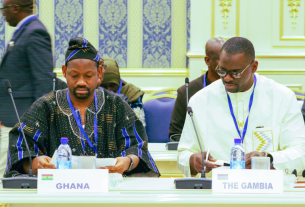
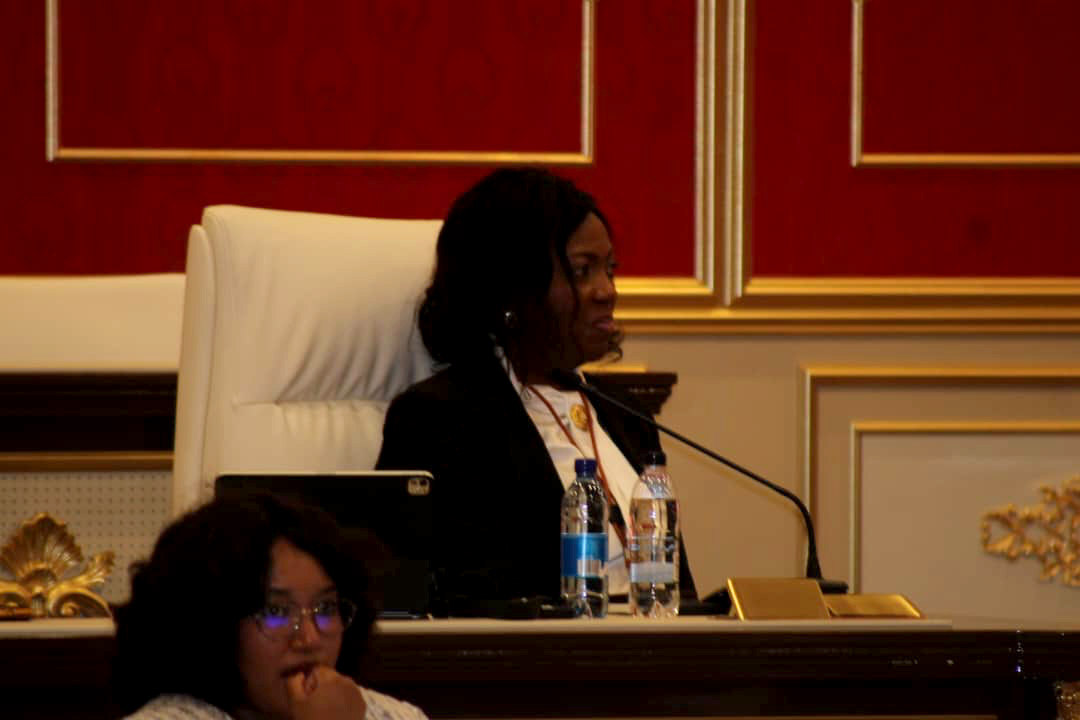
The conference brought together education policymakers, teachers, teacher unions, training institutions, development partners and other stakeholders to discuss the future of the teaching profession in Africa.
According to the AU, PACTED 2026 is focused on transforming the teaching profession through innovation, recognition, mobility, artificial intelligence, inclusion and professional excellence.
However, Mnisi urged delegates not to limit discussions to the formal conference agenda, but to use the gathering as an opportunity to exchange experiences and identify practical solutions to broader education challenges confronting Eswatini and other African countries.
One of the issues she highlighted was Science, Technology, Engineering and Mathematics (STEM), which she said remained an area of concern for the Kingdom.
“I am sure, Commissioner General, that today this forum will be discussing issues around STEM,” Mnisi said.
She pointed to challenges surrounding STEM teachers and the broader strength of STEM education, while stressing its importance to economic development.
“STEM as well being weak, and STEM being the driver for our economy,” she said.
Her comments place the development of STEM education and the availability of suitably trained teachers among the issues that Eswatini needs to address as it seeks to build human capital capable of supporting a modern economy.
Mnisi also urged delegates to broaden discussions to include environmental issues, saying education should help young people understand the importance of protecting the environment.
She further called for discussions around school feeding and free education, areas that directly affect access to education and the ability of children to remain in school.
The PS said Eswatini education stakeholders should learn from the experiences of other African countries, specifically mentioning Namibia and Tanzania in relation to free education.
“My colleagues from SLASA, MEFA, in particular SASA, the Headteachers Association, I am sure they are eager to understand how Namibia is faring with free education and Tanzania,” she said.
She also identified school dropout and the needs of orphans and vulnerable children as issues requiring attention.
Infrastructure development was another concern, particularly in the context of free primary education.
Mnisi said stakeholders should consider how countries were responding to the infrastructure demands created by increased access to education.
“We must address the issues of infrastructure development in the era of free primary education in the Kingdom of Eswatini,” she said.
While acknowledging that these matters went beyond the immediate conference agenda, Mnisi said they should form part of side discussions among education stakeholders.
“I am not trying to move away from the actual agenda, but I am saying side discussions around these issues should be on the order of the day,” she said.
She placed particular emphasis on TVET, highlighting several areas where she said Eswatini was experiencing challenges.
According to Mnisi, the country continues to grapple with the TVET funding model, TVET policy, the TVET Act and issues involving the qualifications authority.
She called on the international and continental partners participating in the conference to contribute expertise and support in addressing these challenges.
Her intervention comes as PACTED 2026 seeks to strengthen teacher professionalisation, improve teacher preparation and professional development, promote recognition and mobility of qualifications, and advance digital transformation and artificial intelligence in education.
The AU says the conference is also expected to generate an Eswatini Declaration on Transforming the Teaching Profession in Africa, an action framework, recommendations on ethical AI and digital transformation, and a roadmap on teacher mobility and qualification recognition.
For Eswatini, Mnisi’s intervention effectively broadens the significance of the conference beyond the professional development of teachers.
It places the spotlight on the wider education ecosystem — from the preparation of STEM teachers and financing of TVET institutions to ensuring that vulnerable children remain in school and that infrastructure keeps pace with expanded access.
With educators and policymakers from across Africa gathered in Eswatini, the conference provides an opportunity for the Kingdom to both share its experiences and learn from countries that have adopted different approaches to education financing, access and skills development.
The discussions are therefore expected to provide lessons that could inform future education reforms in Eswatini while contributing to the broader African agenda of building stronger, more inclusive and future-ready education systems.
#SNAT #Minister #Government #Eswatini #PACTED #TeacherConference #Education #STEM #TVET #FreeEducation #SchoolFeeding #Teachers #HumanCapital #AfricanEducation