



BY SIFISO NHLABATSI
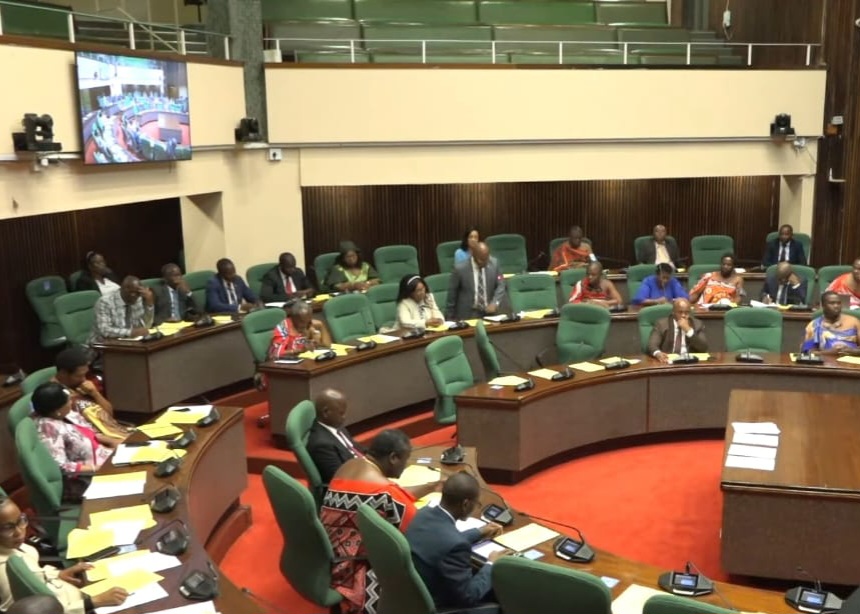
LOBAMBA – The House of Assembly has passed the Development Bank of Southern Africa (National Housing and Infrastructure Programme) Loan Bill, 2026, paving the way for Government to access up to E2.4 billion to finance housing and supporting infrastructure projects across the country.
The loan, which has a 15-year tenor and a three-year grace period, is expected to create about 3 000 jobs during the construction phase while expanding access to affordable housing and stimulating activity in the construction and property sectors.
The Bill, which was extensively debated by Members of Parliament, authorises the Minister of Finance to raise a loan of not more than E2.4 billion from the Development Bank of Southern Africa (DBSA).
Presenting the Bill, Minister of Finance Neal Rijkenberg said the financing would be channelled towards the National Housing and Infrastructure Programme (NHIP), which is being implemented through the Eswatini Housing Board (EHB).

He said the programme was intended to address the country’s housing deficit while supporting infrastructure development, public service delivery and economic growth.
The Minister described the programme as more than a construction initiative, saying it was designed as a national investment in housing, communities and infrastructure.
According to the Finance Committee report, the programme is expected to benefit approximately 8 024 Emaswati, comprising about 3 024 direct and 5 000 indirect beneficiaries across the four regions.
At least 50 per cent of the direct beneficiaries are expected to be women.
The programme will provide different housing products, including apartments, two- and three-bedroom houses, townhouses, rental housing, serviced residential plots and incremental housing solutions.
The supporting infrastructure will include roads, water, sanitation, electricity, telecommunications, community facilities and recreation areas.
The Minister informed the Finance Committee that the project would employ about 3 000 Emaswati during the construction phase.
The employment is expected to provide income opportunities while facilitating skills transfer, particularly among young people and local communities.
The Finance Committee further recommended that contractors and labour be sourced locally to ensure that a significant portion of the economic benefits from the project remains within the country.
The Construction Industry Council (CIC) is also expected to be involved in the implementation of the project to ensure compliance with construction standards, contractor registration, quality assurance and local content requirements.
The Finance Committee said the project would generate economic multiplier effects through job creation, increased demand for local building materials and greater participation by small and medium enterprises.
The programme is expected to be implemented over 36 months from commencement, with housing units and infrastructure delivered in phases across identified sites.
While the Bill eventually secured approval, Members of Parliament raised several concerns during the debate.
Members questioned the feasibility studies used to identify sites for the housing developments and sought clarity on how the programme would ensure equitable distribution of projects across the country.
Concerns were also raised about whether the intended housing products would be accessible to Emaswati who are close to or below the poverty line.
Members of Parliament questioned the target market and urged Government to ensure that the programme did not benefit only selected areas or higher-income groups.
The MPs stressed the importance of ensuring that housing developments are not concentrated in particular areas at the expense of other regions.
Members further called for attention to the country’s dilapidated Government housing stock.
The Finance Committee report records that Members urged the Ministry to consider renovating existing Government houses, while also calling for Micro-Projects to receive consideration for infrastructure needs, particularly roads.
The Finance Committee noted that the E2.4 billion facility would increase Government’s public debt obligations.
However, the Minister told the Committee that the loan was classified as a self-liquidating productive infrastructure facility.
The debt, according to the Minister, would remain within the country’s 45 per cent of GDP debt ceiling, with the project expected to generate revenues through housing and rental income.
The repayment of the loan will be from EHB revenues and rental income, with a Sovereign Guarantee as required by DBSA.
The facility will be repaid through 24 semi-annual instalments after the three-year grace period.
With the Bill now passed, the Finance Committee has recommended that the Ministry of Finance and EHB submit quarterly progress reports to the Committee once the project resumes.
The Committee also recommended that the housing units be priced affordably to ensure that civil servants and low- and middle-income Emaswati can benefit.
The programme is intended to move Government away from reliance on ageing and inadequate housing stock while creating opportunities for home ownership.
It will also support Government’s decentralisation agenda by providing accommodation closer to workplaces and public services.
The passage of the Bill therefore clears the legislative requirement for Government to proceed with the DBSA financing, bringing the country closer to the implementation of the E2.4 billion housing and infrastructure programme.
The programme is ultimately expected to leave more than houses behind, with Government targeting employment, local procurement, skills development, SME participation and economic activity as part of the wider benefits of the investment.
#Eswatini #Housing #NHIP #DBSA #E2.4Billion #Jobs #NationalHousing #Infrastructure #Parliament #Lobamba