



BY THEMBA ZWANE
MBABANE – Eswatini is stepping up efforts to unlock the economic and nutritional potential of its rivers, dams and freshwater ecosystems, with the Ministry of Agriculture pushing for a strategic action plan to transform fisheries and aquaculture into drivers of food security, investment and employment.
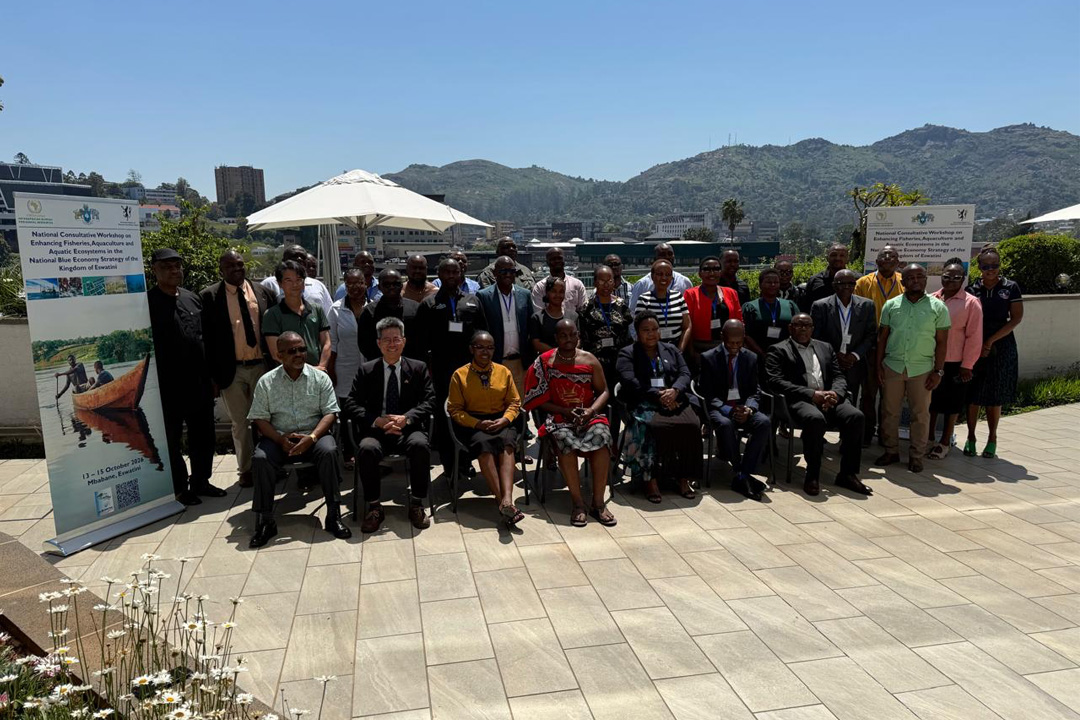
This emerged during the official opening of a three-day consultative workshop to strengthen fisheries, aquaculture, conservation and sustainable ecosystems, held at Hilton Garden Inn on October 13, 2026.
Under Secretary (US) in the Ministry of Agriculture Nhlanhla Motsa, who was acting Principal Secretary, said the workshop presented an important opportunity to translate the Kingdom’s National Blue Economy Strategies into practical interventions capable of delivering lasting economic benefits.
The workshop, scheduled for October 13 to 15, brings together government officials, policymakers, development partners, technical experts, fish farmers, researchers and practitioners to develop a Strategic Action Plan for fisheries, aquaculture and freshwater ecosystems.
Motsa emphasised that Eswatini, despite being a landlocked country, possesses significant aquatic resources that could contribute more substantially to national development if properly managed and commercially developed.
He pointed to the potential of the Maguga and Mnjoli dams, alongside the country’s river basins, as resources that could help expand local fish production and reduce reliance on imported aquatic products.
“True national economic growth and the decisive defeat of food insecurity require us to look across our abundant rivers, dams, and aquatic resources,” Motsa said.
He noted that the country already has a growing community of fish farmers, supported by institutional commitments to agricultural modernisation, including developments at the Malkerns Aquaculture Research and Production Centre.
The initiative reflects an opportunity for Eswatini to diversify its agricultural production, strengthen domestic food supplies and establish a more competitive aquaculture industry.
ACTION PLAN TARGETS COMMERCIAL GROWTH
Motsa said the three-day engagement should go beyond discussions and produce concrete, bankable and actionable priorities to guide the development of the fisheries and aquaculture sectors through 2035 and beyond.
He identified institutional coordination, sustainable ecosystem management, investment mobilisation and inclusive economic participation as key areas requiring attention.
On institutional coordination, stakeholders are expected to consider how government ministries, private businesses and local communities can work together more effectively to support the growth of fisheries and aquaculture.
Motsa stressed that sector expansion must go hand in hand with the protection of biodiversity, water quality and natural habitats.
He said the country needed an approach that would allow it to increase fish production and improve the use of water resources without compromising the ecosystems upon which communities and future generations depend.
The workshop is also expected to focus on the commercial potential of aquaculture, particularly the challenges affecting producers, including the availability of fingerlings, affordable fish feeds, access to markets and inclusive financial support.
Addressing these constraints could help fish farmers move beyond subsistence production towards commercially viable enterprises capable of supplying local markets and creating economic opportunities.
The development of stronger value chains would also provide opportunities for businesses involved in fish production, feed supply, processing and marketing.
YOUTH AND WOMEN AT THE CENTRE OF BLUE GROWTH
The Ministry has further highlighted the importance of ensuring that the benefits of aquaculture and sustainable aquatic resource management reach ordinary households.
Motsa called for deliberate efforts to empower young people, women and local communities through employment opportunities and participation in the growing sector.
He urged technical experts, private sector representatives, civil society organisations and development partners to contribute candid and practical recommendations that could translate the country’s blue economy ambitions into measurable results.
“Design an action plan that respects our ecological limits while unleashing the full commercial and nutritional promise of Eswatini’s waters,” he said.
His remarks placed emphasis on balancing economic growth with environmental responsibility, ensuring that the development of fisheries and aquaculture strengthens livelihoods while safeguarding the country’s freshwater resources.
MINISTRY COMMITS TO IMPLEMENTATION
Motsa assured participants that the Ministry of Agriculture remained committed to taking their recommendations forward into policy execution.
He said the ultimate objective was to turn the country’s aquatic resources into tangible benefits for the population, including improved access to fish as a food source and increased opportunities for local producers.
The consultative workshop therefore provides a platform for stakeholders to help shape a coordinated approach to fisheries, aquaculture, conservation and sustainable ecosystem management.
If translated into effective implementation, the proposed strategic action plan could help position aquaculture as a stronger contributor to Eswatini’s agricultural diversification, food security and inclusive economic development.
The workshop was officially opened by Motsa, who wished participants fruitful deliberations over the three-day programme.
#Eswatini #BlueEconomy #Aquaculture #FoodSecurity #Fisheries #AgriculturalDevelopment #YouthEmployment #WomenEmpowerment #SustainableDevelopment #MinistryOfAgriculture