



BY NOXOLO DLAMINI
PIGG’S PEAK – EmaSwati who have relocated to another area, including women and men who have moved following marriage, may qualify to register as voters in their new communities after living there for more than six months.
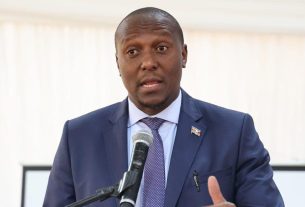
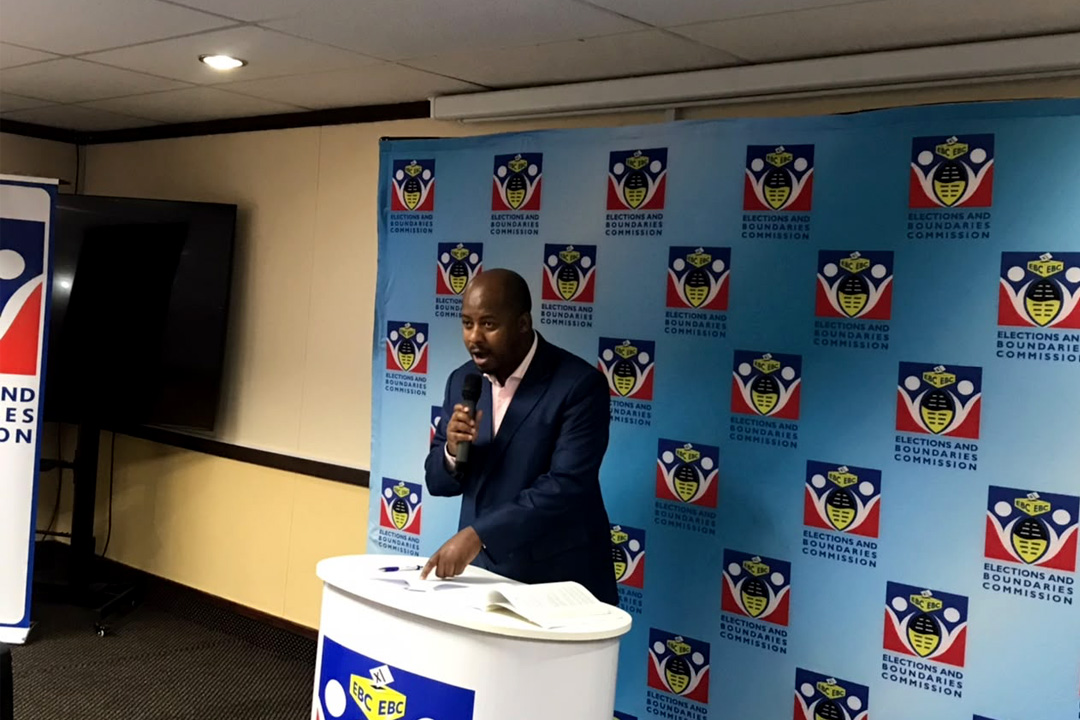
This was explained by Elections and Boundaries Commission (EBC) Legal Advisor Mbuso Dlamini, who said a change of residence does not necessarily prevent an eligible citizen from registering to vote in the area where they now live.
Dlamini explained that the Voter Registration Act of 2013, as amended in 2023, makes provision for voter registration under certain circumstances, including changes in residence.
He said residents who have spent more than six months in a new area may qualify to register there, provided they meet the requirements set out in the law.

The explanation is particularly relevant to people who have moved from their original communities because of marriage, employment or other personal circumstances.
For example, a person who previously lived in one constituency but has since settled in another may be eligible to register in the new area after meeting the required residence period and other legal conditions.
However, Dlamini’s explanation does not mean that every person who has lived in a new area for six months automatically qualifies. Registration remains subject to the applicable legal requirements.
The EBC legal advisor also explained that Eswatini operates a continuous voter registration system, allowing eligible citizens to register outside a single registration exercise.
Under this arrangement, voter registration is not limited to the period immediately preceding elections.
The system accommodates changes in people’s circumstances, particularly those who move from one community to another and need to establish their eligibility to register in their new place of residence.
Dlamini said it was important for citizens to understand the registration procedures rather than assume that moving to another area automatically prevents them from registering there.
Marriage was among the circumstances highlighted, as some people relocate to live with their spouses in communities different from those where they previously resided.
Such residents may qualify to register in their new areas once they have satisfied the residence requirement and other conditions prescribed by law.
The Commission encourages people who have relocated to seek clarification on the procedures they must follow, including any requirements relating to their existing voter registration.
This is particularly important for people who are uncertain whether they should remain registered in their former communities or apply to register in their new areas.
Continuous voter registration also allows the electoral body to accommodate population movements and maintain registration records that reflect eligible voters’ circumstances.
Dlamini’s explanation serves as a reminder that eligible citizens who have changed their place of residence should familiarise themselves with the law and establish whether they qualify to register in their new communities.
Residents seeking further information are encouraged to approach the EBC for guidance on the applicable registration requirements and procedures.