


…FAO urges greater investment in fisheries and aquaculture as demand for protein rises
BY MBONO MDLULI
MBABANE– Africa’s future food security will depend not only on what is produced on land, but also on what comes from its oceans, rivers and lakes, according to senior officials from the Food and Agriculture Organization of the United Nations (FAO).
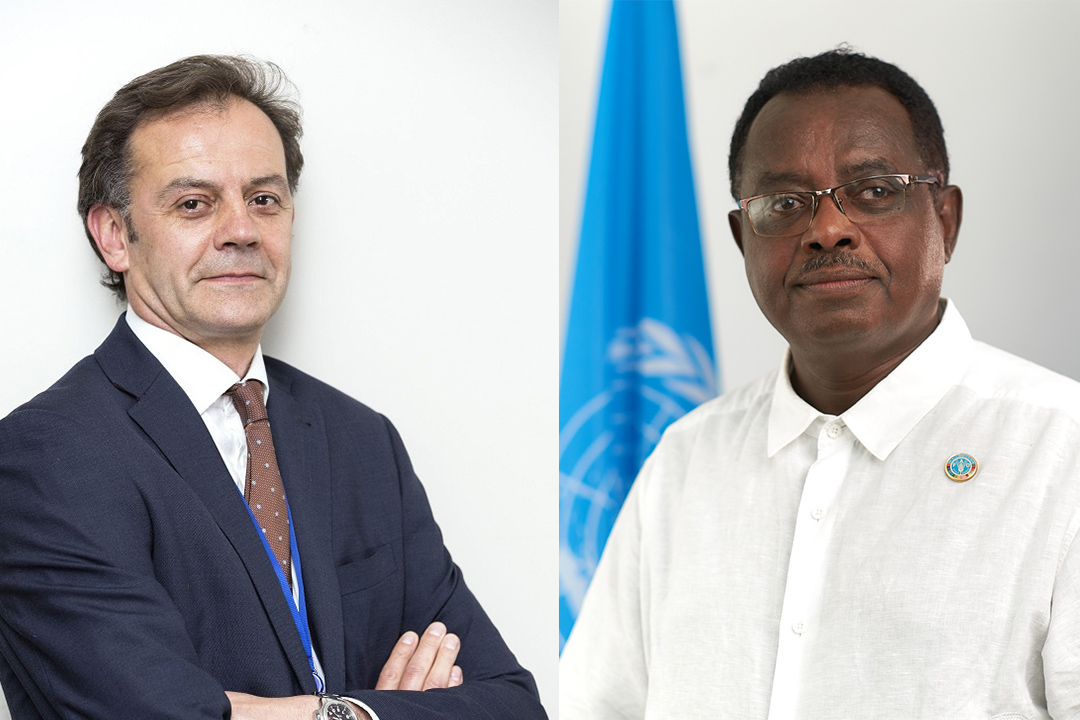
In a joint opinion article, FAO Assistant Director-General and Regional Representative for Africa Abebe Haile-Gabriel and FAO Assistant Director-General and Director of the Fisheries and Aquaculture Division Manuel Barange argued that aquatic foods must play a much bigger role in addressing the continent’s growing food and nutrition needs.
The officials noted that while Africa’s population continues to grow rapidly, the supply of aquatic foods is struggling to keep pace with rising demand.

According to the latest edition of the State of World Fisheries and Aquaculture report, launched in Mombasa, Kenya, aquatic animal foods provide 19 percent of the animal protein available across Africa, making the continent the second-highest consumer of aquatic protein globally.
However, Africa also has the lowest per capita availability of aquatic animal foods in the world, averaging only 9.1 kilograms per person annually, which is about half the global average.
Aquatic Foods Critical To Nutrition
The FAO officials stressed that aquatic foods are far more than a niche product.
They provide food, employment, income and trade opportunities for millions of Africans, particularly in communities located near oceans, rivers and lakes.
Inland fisheries in regions such as the Great Lakes, the Niger Basin and the Congo Basin continue to provide affordable nutrition while supporting livelihoods throughout the value chain.
The officials said these fisheries remain indispensable to Africa’s food systems and economic development.
Aquaculture Seen As Major Opportunity
While sustainable capture fisheries remain important, the FAO warned that wild fish stocks have biological limits and cannot alone satisfy future demand.
To maintain current levels of aquatic food availability, Africa’s aquatic food production will need to increase by approximately seven percent by 2050.
Without significant intervention, supply growth is expected to lag behind population growth, placing additional pressure on food systems across the continent.
The FAO believes aquaculture offers one of the strongest solutions.
Aquaculture, which involves farming fish and other aquatic animals, is currently the fastest-growing food production sector in the world.
Africa has recorded average aquaculture growth of almost eight percent annually since 2000.
Despite this progress, the continent still accounts for only 2.3 percent of global aquaculture production, highlighting significant untapped potential.
Countries Leading the Way
Countries such as Egypt, Nigeria, Ghana, Uganda and Zambia have already demonstrated what is possible through investment in aquaculture.
Egypt alone produces nearly two-thirds of Africa’s farmed fish.
However, much of the continent’s potential remains underutilised, particularly among small-scale producers who often face challenges accessing finance, technology and technical support.
The FAO is encouraging governments to treat fisheries, aquaculture and the broader blue economy as strategic sectors capable of strengthening food security, creating jobs and improving economic resilience.
Building Sustainable Food Systems
The organisation is calling for increased investment in research, fish seed and feed systems, extension services and policies that encourage private-sector participation.
At the same time, it stresses the need to strengthen the management of inland and marine fisheries to ensure long-term sustainability.
The FAO believes Africa still has an opportunity to develop aquatic food systems that are environmentally sustainable while avoiding some of the mistakes experienced elsewhere.
This includes promoting responsible water use, strong biosecurity measures and better planning for aquaculture expansion.
A Growing Economic Opportunity
The FAO says failure to invest in fisheries and aquaculture could widen the gap between demand and supply, increase reliance on imports and place greater pressure on already stressed food resources.
However, with the right policies and investments, aquatic foods could become one of Africa’s most effective tools for combating malnutrition, creating employment and building resilient food systems.
The organisation’s Blue Transformation programme seeks to help countries unlock this potential by supporting sustainable growth in fisheries and aquaculture.
According to the FAO, Africa’s economic and nutritional future will increasingly depend not only on what is harvested from the land, but also on what is sustainably produced from its waters.
(Courtesy Pics)