



BY SIFISO NHLABATSI
MBABANE- Eswatini’s call for families to have children responsibly has brought renewed attention to a demographic challenge that experts say could have significant implications for the country’s future economic and social development.
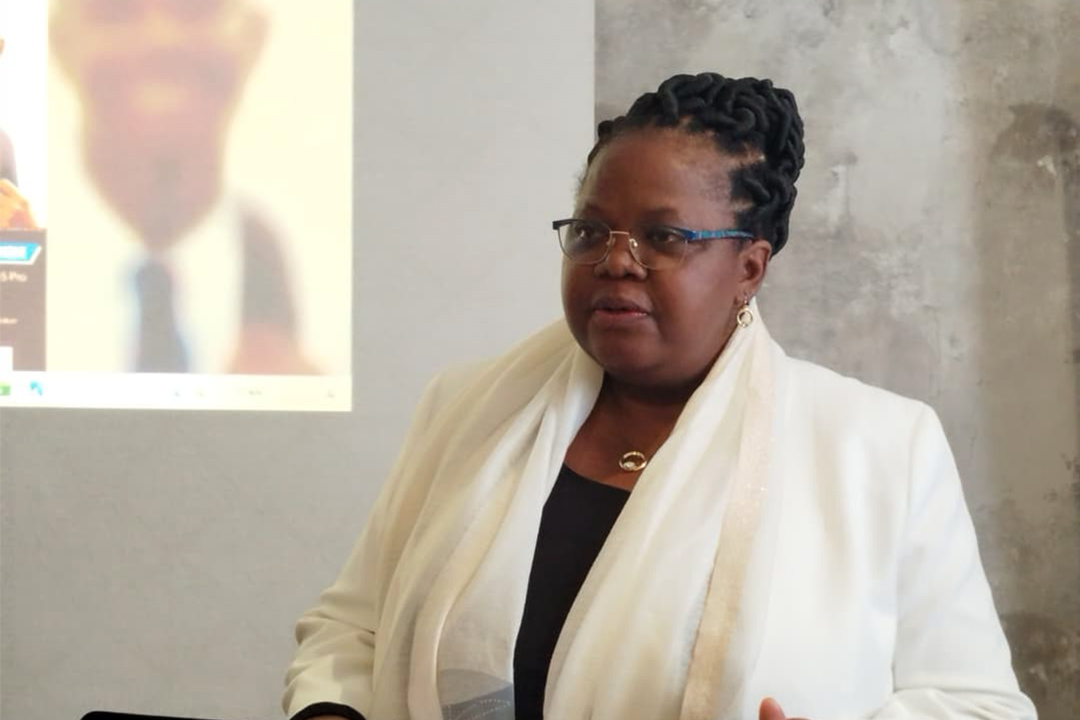
Speaking during the launch of the National High School Population and Development Essay Competition in Ezulwini on Thursday, Principal Secretary in the Ministry of Economic Planning and Development Thabsile Mlangeni said the country was experiencing declining population growth. She encouraged families to have children responsibly, while making it clear that this did not mean having excessively large families.
Mlangeni said the country’s youth remained a strategic asset in harnessing the demographic dividend. She noted that according to the 2017 Population and Housing Census, people below the age of 35 account for 73 percent of Eswatini’s population, while those of working age (15 to 64 years) make up 60 percent. She also cited the 2026 Labour Force Survey, which estimated youth unemployment at 56 percent.
According to the Principal Secretary, reinforcing investments targeted at young people is essential if the country is to benefit from its demographic dividend. She said the essay competition was intended to encourage learners to think critically about how population data can contribute to economic growth, innovation and social transformation.

The remarks come amid growing concern over Eswatini’s declining fertility rate and slowing population growth, trends that mirror those experienced in many countries around the world.
An ageing population presents several long-term challenges. As fewer children are born and people live longer, the proportion of elderly citizens increases while the number of working-age people gradually declines. This can reduce the size of the labour force, making it more difficult for businesses and public institutions to find enough workers to sustain productivity and economic growth.
A shrinking workforce also means fewer taxpayers contributing to government revenue. At the same time, demand for healthcare, pensions and other social services for older people tends to rise, placing additional pressure on public finances. Governments may be required to allocate more resources to elderly care while balancing spending on education, infrastructure and programmes for younger generations.
Demographers also note that slower population growth can affect consumer demand and investment. With fewer young families entering the economy, demand for housing, schools and certain goods and services may decline, potentially slowing economic activity over time.
However, population growth alone is not a solution to economic challenges. Economists generally argue that countries benefit most when population growth is matched by investments in education, healthcare, skills development and job creation. Without sufficient employment opportunities, a growing youth population can face high unemployment and increased social pressures.
For Eswatini, the challenge will be finding the right balance—maintaining a healthy population structure while creating the conditions for young people to become productive participants in the economy. As the country continues to monitor demographic trends, discussions on population policy are likely to remain central to national development planning.
(Courtesy Pic)


