


BY GCWALISILE MHLABANE
MBABANE – In a bid to raise awareness about albinism and promote acceptance, inclusion, and equal opportunities for persons with albinism, Eswatini joined the rest of the world in commemorating International Albinism Awareness Day on June 13, 2026.
Observed under the theme “Proudly in My Skin,” the commemoration was marked by renewed calls for greater understanding of albinism, alongside strengthened efforts to celebrate the achievements and contributions of persons with albinism. The day also provided an opportunity to reflect on the challenges they face and reinforce the importance of building a more inclusive and supportive society.
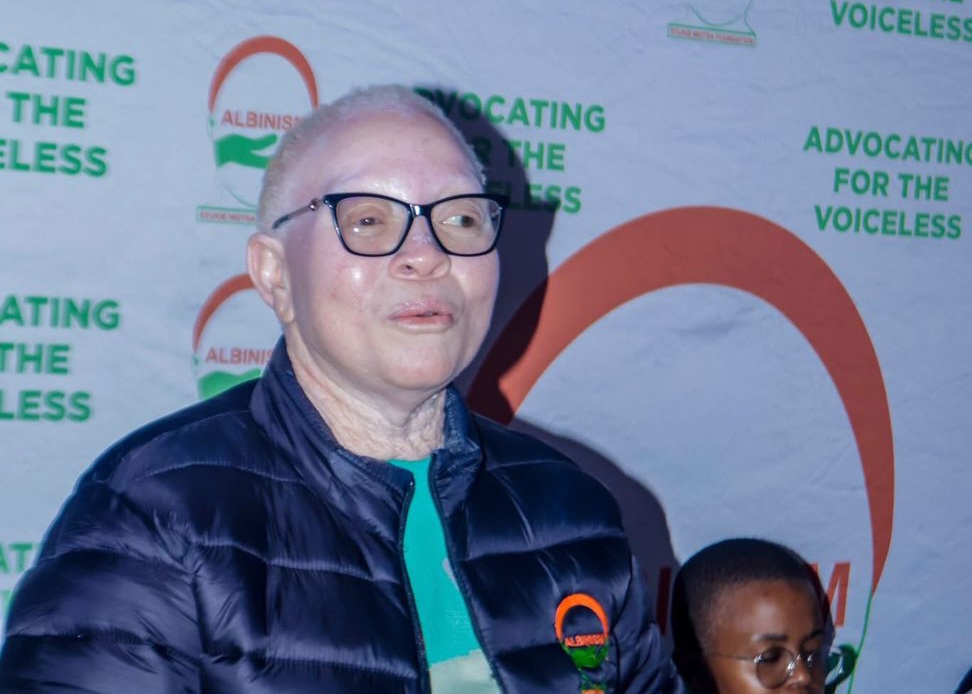
In a strong message, Executive Director of the Stukie Motsa Foundation, Senator Dr Stukie Motsa, called on all stakeholders, community members, institutions, and policymakers to intensify collective efforts aimed at advancing inclusion, dignity, and equal opportunities for persons with albinism.
She said the theme carries a powerful message for society. “The theme promotes self-acceptance, respect for human diversity, equality, inclusion, social justice and dignity, and the protection of human rights, while also calling for the elimination of stigma and discrimination,” she said.

Dr Motsa emphasized that society must move away from judging people based on appearance. “We must learn to celebrate people for who they are and not judge them based on skin tone, disability, or condition,” she added.
She noted that persons with albinism continue to face multiple challenges, including discrimination, stigma, social exclusion, violence, abuse, and limited access to essential healthcare services.
Dr Motsa further raised concern over the heightened risk of skin cancer, worsened by limited access to sunscreen and protective clothing, which are critical for daily protection and wellbeing.
She highlighted gaps in eye care services, noting that many persons with albinism experience difficulties in accessing proper treatment due to insufficient training among some healthcare providers in managing their visual needs, including prescription of spectacles.
Dr Motsa also pointed out that unemployment and poverty remain major concerns, often driven by stigma and misconceptions that persons with albinism are less capable in the workplace. She added that discrimination frequently results in psychological distress, including low self-esteem, depression, anxiety, and social isolation.
Despite these challenges, she stressed that practical solutions exist through coordinated action across all sectors.
She called for disability mainstreaming in government, private institutions, schools, churches, and communities, urging the adoption of inclusive policies that ensure persons with albinism are fully accommodated and supported.
She also emphasized the importance of public awareness campaigns to reduce stigma and improve understanding of albinism.
In the education sector, she advocated for inclusive learning environments, assistive devices, adapted teaching methods, and strong anti-bullying policies to protect learners with albinism.
On economic empowerment, she encouraged skills development, entrepreneurship support, inclusive recruitment practices, and equal workplace opportunities to promote independence and dignity.
Dr Motsa also highlighted the urgent need to strengthen healthcare systems, particularly through improved access to sunscreen, protective clothing, specialised dermatological care, and better-trained eye care professionals.
She called for increased mental health support services, noting that many individuals continue to suffer emotional distress due to stigma and discrimination.
On protection and human rights, she stressed the importance of strengthening anti-discrimination laws and enforcement mechanisms to safeguard dignity and safety.
She further called for the inclusion of persons with albinism in leadership and decision-making spaces, noting that many are qualified and capable of contributing meaningfully to national development when given equal opportunities.
She concluded by urging society to work collectively in building an inclusive nation where no one is left behind, emphasizing that true development is only possible when equality, dignity, and human rights are upheld for all.
#IAAD2026 #AlbinismAdvocacy #ProudlyInMySkin #SunProtection