


BY MFANUFIKILE KHATHWANE
MBABANE– Business Eswatini (BE) has outlined priority advocacy areas aimed at strengthening the country’s economic competitiveness following the recent quarterly meeting of its Trade and Commerce Committee.
The committee, which serves as a board advisory structure of Business Eswatini, is chaired by Vice President responsible for Trade and Commerce, Anthony Geldard. It provides strategic guidance to the BE Board on issues affecting trade, industry, taxation and the broader business environment.
During its latest meeting, the committee reviewed key developments affecting the operating environment for businesses and adopted several resolutions aligned with the Business Eswatini Advocacy Agenda.
The resolutions focus on strengthening fiscal management, improving tax compliance and addressing rising energy costs.

Fiscal discipline
The committee emphasised the importance of fiscal discipline in restoring investor confidence and ensuring long-term economic stability.
Business Eswatini called on government to prioritise strategic expenditure management and improve efficiency within the public sector.
Key advocacy areas include containing recurrent expenditure, rationalising State-Owned Enterprises (SOEs) to reduce fiscal pressure and improving productivity within the civil service through natural attrition and performance-based management systems.
“To create an environment where businesses can thrive, government institutions must operate in a manner that is efficient, accountable and focused on service delivery,” said Geldard.
The committee also stressed the importance of aligning the national budgeting process with Cabinet’s strategic priorities to ensure that public resources translate into measurable economic outcomes.
Business Eswatini indicated that it would continue structured engagement with government on these matters as part of its mandate to represent private sector interests.
VAT compliance
The committee also raised concern about reports of Value Added Tax (VAT) non-compliance within parts of the retail sector.
According to Business Eswatini, such practices, if proven true, undermine revenue collection and create an uneven playing field for compliant businesses.
The committee noted that the situation also weakens Eswatini’s competitiveness in attracting regional shoppers and investment.
Business Eswatini will engage the Eswatini Revenue Service (ERS) on measures to strengthen enforcement in high-risk sectors while encouraging its members to conduct internal compliance reviews.
“Fair competition is fundamental to a healthy business environment. Businesses that comply with tax obligations should not be disadvantaged by those operating outside the system,” Geldard added.
Energy costs
The committee further identified rising electricity costs as one of the most significant pressures affecting the cost of doing business.
Business Eswatini said it would intensify its advocacy for structural reforms in the energy sector aimed at reducing costs and improving supply security.
Proposed measures include accelerating investment in local electricity generation capacity, expanding frameworks for embedded generation and removing regulatory bottlenecks that limit private sector participation in power production.
In the short term, BE is also exploring demand-side measures that could help businesses manage electricity costs, including Time-of-Use optimisation, load shifting and more flexible working hours.
The committee concluded that strengthening tax compliance, maintaining fiscal discipline, accelerating energy sector reforms and improving policy coherence remain essential pillars for improving Eswatini’s business environment.
Through its Trade and Commerce Committee, Business Eswatini said it would continue engaging government and other stakeholders to advance reforms that support private sector growth and long-term economic development.
#BusinessEswatini#FiscalReforms#EconomicGrowth#EnergySecurity
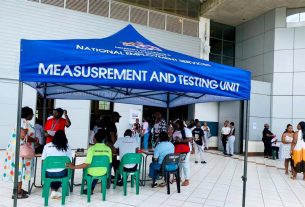
(Courtesy Pic)