



BY PHUMELELE GAMEDZE (INTERN)
MBABANE– Across Eswatini’s rolling grasslands, forests, rivers and wetlands, communities are being reminded that protecting nature is not only about saving wildlife, but also about securing livelihoods, culture and the future of generations to come.
As the world commemorates the International Day for Biological Diversity (IDB) today, under the theme “Acting Locally for Global Impact,” Eswatini is joining the global call for stronger environmental stewardship through inclusive conservation efforts and community participation.
According to information shared on the official Facebook page of the Eswatini National Trust Commission (ENTC), biodiversity remains essential to sustaining food systems, clean water, medicine, climate stability and human well-being. The organisation highlighted that when biodiversity thrives, communities also flourish.
In many rural communities across the Kingdom, biodiversity is deeply connected to daily life. Farmers depend on healthy soils and pollinators for crops, while communities rely on indigenous forests and wetlands for water, traditional medicine and grazing land. For young people growing up near protected areas, nature also represents identity, heritage and opportunity through tourism and conservation careers.

The ENTC, working together with the Ministry of Tourism and Environmental Affairs (MTEA), is currently reviewing and updating the National Biodiversity Strategy and Action Plan (NBSAP 3.0). The process aims to align Eswatini with the global Kunming-Montreal Global Biodiversity Framework (KMGBF), which seeks to halt and reverse biodiversity loss worldwide.
What makes the initiative unique is its inclusive approach. Traditional leaders, youth, women, persons with disabilities, farmers, academics, civil society and private sector representatives have all contributed to the discussions. A Gender Situational Analysis and Gender Plan of Action has also been developed to promote gender-responsive conservation efforts.
Environmental experts warn that threats such as land degradation, invasive species, habitat destruction and climate change continue to place pressure on Eswatini’s ecosystems. However, today’s commemoration also carries a message of hope that collective local action can create meaningful global impact.
As emaSwati mark Biodiversity Day 2026, the message is clear: every tree protected, every wetland restored and every conservation effort supported helps build a healthier and more sustainable future for the nation and the planet.
#BiodiversityDay#ActingLocally#EswatiniConservation#NatureForFuture
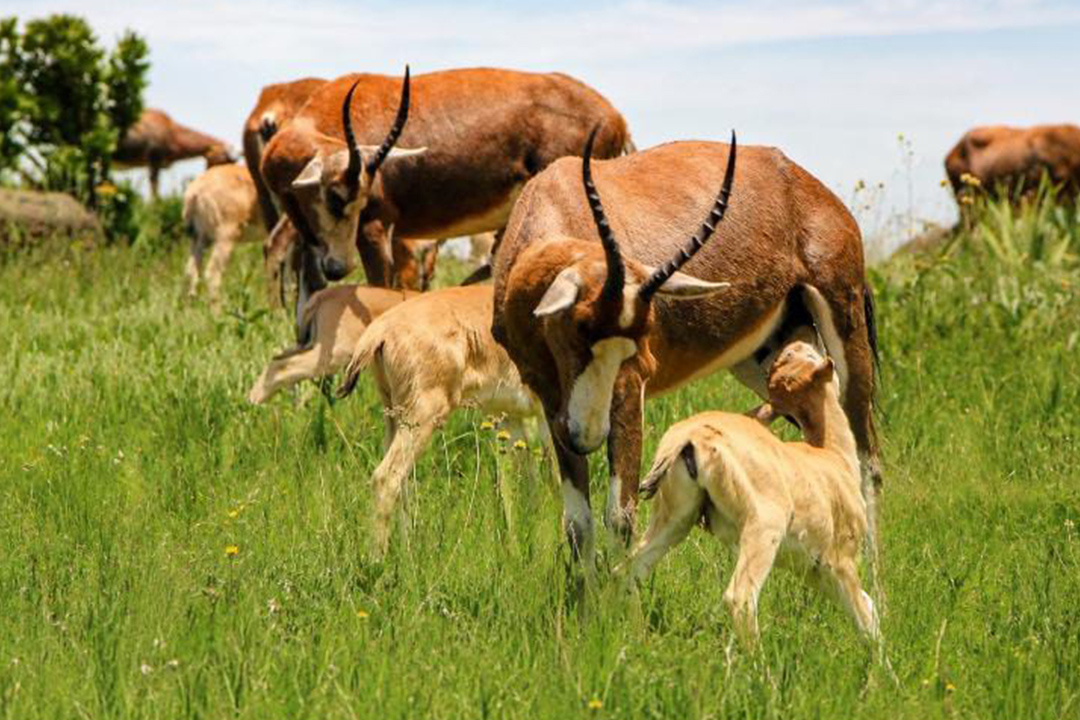
(Courtesy Pic)