



BY MFANUFIKILE KHATHWANE
LOBAMBA– Eswatini’s Cabinet has approved a series of major reforms and strategic policy decisions during the first quarter of the 2026/27 financial year, laying the foundation for stronger governance, improved public service delivery, enhanced disaster preparedness and increased investment opportunities.
The wide-ranging decisions include the establishment of the National Disaster Risk Management Authority, the adoption of the National Anti-Corruption Policy, approval of a new National Investment Policy and Eswatini’s successful bid to host the 26th COMESA Summit of Heads of State and Government.
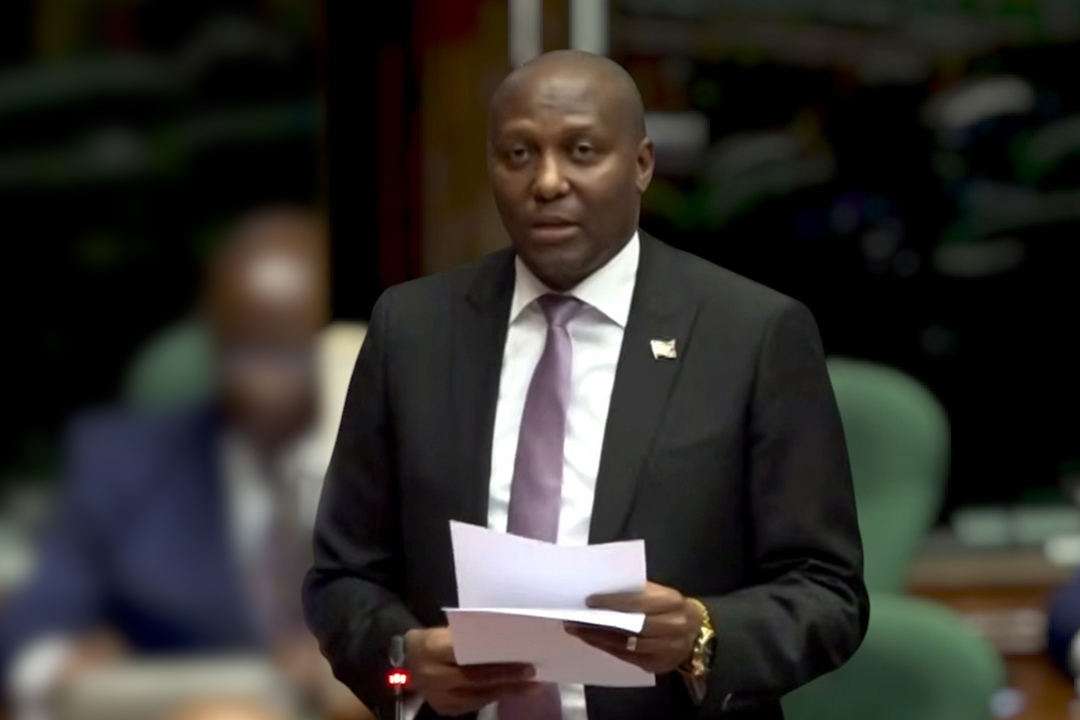
The milestones were highlighted by Prime Minister Russell Mmiso Dlamini while presenting the Private and Cabinet Office First Quarter Performance Report to Parliament on Thursday, describing the period as one marked by decisive action to advance the country’s development agenda.
According to the report, Cabinet continued to fulfil its constitutional mandate by convening regular meetings to deliberate on critical national matters, approve key legislation, endorse strategic partnerships and adopt policies designed to improve the lives of Emaswati.

One of the most significant achievements was the operationalisation of the National Disaster Risk Management Act of 2025 through the establishment of the National Disaster Risk Management Authority. The move is expected to strengthen the country’s ability to prepare for, respond to and recover from natural disasters and other national emergencies, ensuring better protection for communities across Eswatini.
Cabinet also endorsed Eswatini’s hosting of the 26th COMESA Summit of Heads of State and Government, a major regional event expected to enhance the Kingdom’s international profile, promote trade and investment opportunities and deepen economic cooperation among member states.
Government further approved several policies aimed at strengthening institutions and creating a more attractive business environment. These include the National Anti-Corruption Policy, the National Payment Systems Regulations of 2026 to modernise financial transactions, and a new National Investment Policy intended to attract both local and foreign investors while stimulating economic growth.
The report also highlighted progress in improving governance within the public service. Cabinet approved the appointment of an Independent Evaluation Board consultant to consider appeals arising from the public service salary review exercise, while appointments were also made to the Road Transportation Board and the Road Transportation Appeals Board to strengthen oversight in the transport sector.
On the international front, Cabinet approved the establishment of diplomatic relations with the Republic of Uruguay, expanding Eswatini’s network of global partnerships and creating new opportunities for cooperation in areas such as trade, investment and development.
Through the Office of the Principal Secretary to Cabinet, Government facilitated 10 joint negotiating meetings with international partners during the quarter. The report notes that these engagements were aimed at strengthening bilateral cooperation and mobilising support for national development priorities.
Government also intensified engagement with organised labour, promoting constructive dialogue and collaboration between ministries and labour representatives to enhance policy implementation and workplace relations.
Efforts to combat human trafficking also gathered momentum during the quarter. The National Task Force completed assessments of three non-governmental shelters that have expressed readiness to provide accommodation and support services for victims of trafficking, a move expected to improve protection and care for vulnerable individuals.
The report concludes that the achievements recorded during the first quarter demonstrate Government’s continued commitment to strengthening governance, promoting accountability, improving service delivery and safeguarding the welfare of all citizens.
It further states that despite ongoing challenges, Government institutions have remained resilient and focused on implementing the development vision of His Majesty King Mswati III under the Nkwe Programme of Action, with Cabinet continuing to drive reforms aimed at building a stronger, more resilient and prosperous Eswatini.
(Courtesy Pic)