



…Education data must go beyond reports and statistics to guide teacher deployment, classroom construction and fair resource allocation.
BY NELIWE NGUBANE
EZULWINI— A report gathering dust on a shelf cannot send a teacher to an understaffed school, and statistics alone cannot ensure that every child receives a fair chance at education.
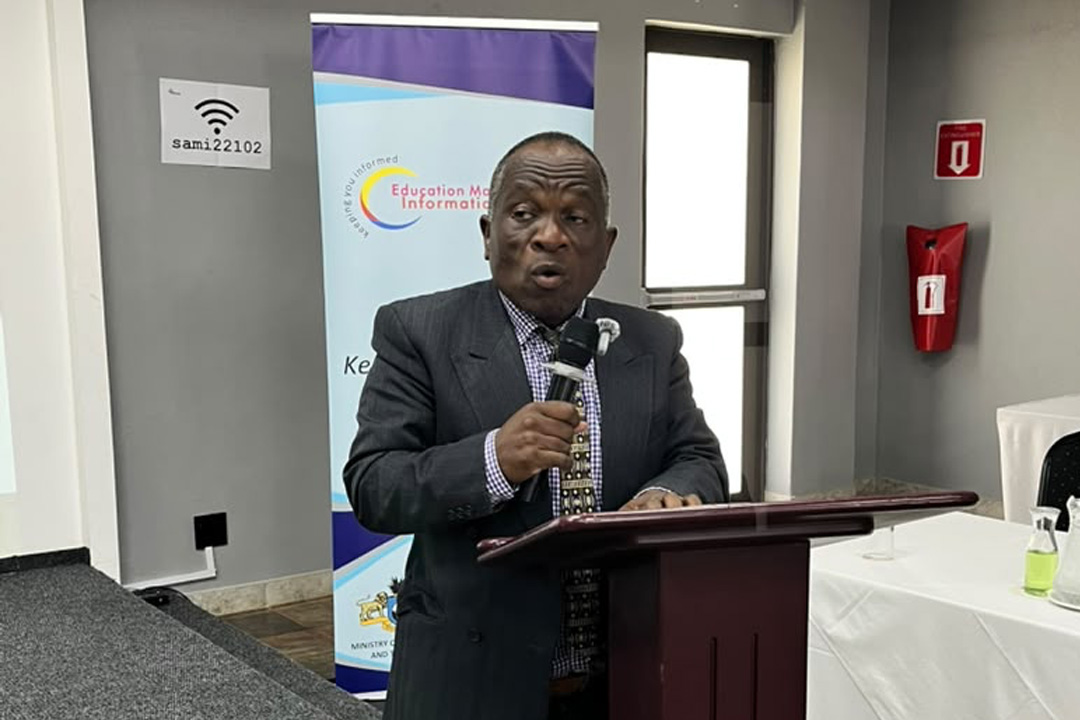
This was the message delivered by Principal Economist Nkululeko Gwebu, representing the Principal Secretary of the Ministry of Education and Training, as he officially opened the Eswatini Education Management Information System (EMIS) Data Use Workshop at Sibane Sami Hotel on Thursday.
Gwebu challenged education managers, planners and technical officers to move beyond collecting and publishing statistics towards using evidence to make decisions that directly affect learners across the country.
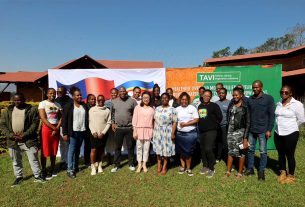
The two-day workshop, running from 15 to 16 October 2026, brings together government representatives, education officials and development partners to strengthen the use of education data in planning, budgeting and monitoring.
Emphasising the importance of turning information into action, Gwebu said: “Data earns its value only when it informs a decision.”
He noted that the Ministry had made progress in collecting education information through its EMIS, with schools submitting returns, officers compiling reports and statistics being published. However, he cautioned that the availability of data did not automatically translate into better decisions.
According to Gwebu, education data should help the government determine where classrooms are needed, how teachers should be distributed and how limited resources can be allocated fairly among regions, schools and learners.
He said the workshop presented an opportunity to bridge the gap between those who produce and analyse data and those responsible for making policy and budgetary decisions.
Gwebu also highlighted the findings of the Ministry’s EMIS Norms and Standards self-assessment, which identified both strengths and gaps in the existing system. He further pointed to lessons from the 2024 GPE-KIX synthesis report on EMIS data systems and data use, stressing the importance of collaboration between data producers and decision-makers.
He called on participants to be honest about the questions they could not answer using existing data, as well as the institutional barriers preventing information from being effectively used.
He further urged participants to think beyond their individual departments, noting that education data was equally important to the Ministry of Finance in resource allocation, gender-related institutions in monitoring equal opportunities, and national planning structures in setting development targets.
Gwebu stressed that education planning should not rely solely on national averages, which could conceal the challenges experienced by learners in remote rural schools, children with disabilities and girls at risk of dropping out of school.
He said reliable data should help identify these learners and guide interventions that respond to their specific needs.
The Ministry, he assured participants, was committed to implementing the outcomes of the workshop rather than allowing its recommendations to remain on paper.
He explained that the process would culminate in a Data Use Action Brief and an accompanying data action plan outlining responsibilities, timelines and mechanisms for reviewing progress.
Gwebu also encouraged technical officers to communicate the limitations of available data honestly, noting that acknowledging gaps was more useful than presenting information with false certainty.
The workshop is being convened by the Ministry of Education and Training in collaboration with the African Union Commission through AU-IPED, the GPE-KIX Africa 19 Hub and Life Skills Promoters (LISP).
Thanking the partners for their technical and financial support, Gwebu called for a collective commitment to making evidence-based decision-making a standard practice in the education sector.
He concluded that the country’s children deserved decisions based on evidence rather than assumptions before officially declaring the workshop open.
#EswatiniPositiveNews #Education #EMIS #DataDrivenDecisions #EducationForAll #EvidenceBasedPlanning #MinistryOfEducation #Eswatini