


BY PHUMELELE GAMEDZE
MBABANE – Childhood cancer survivors and their caregivers have been reminded that overcoming cancer is only part of the journey, with emotional wellbeing, family support and professional help remaining important long after treatment.
The message was shared during Childhood Cancer Survivors Day, held under the theme “Caring for the Mind During the Cancer Journey”, as survivors, caregivers and families reflected on the emotional challenges that can come with cancer and recovery.
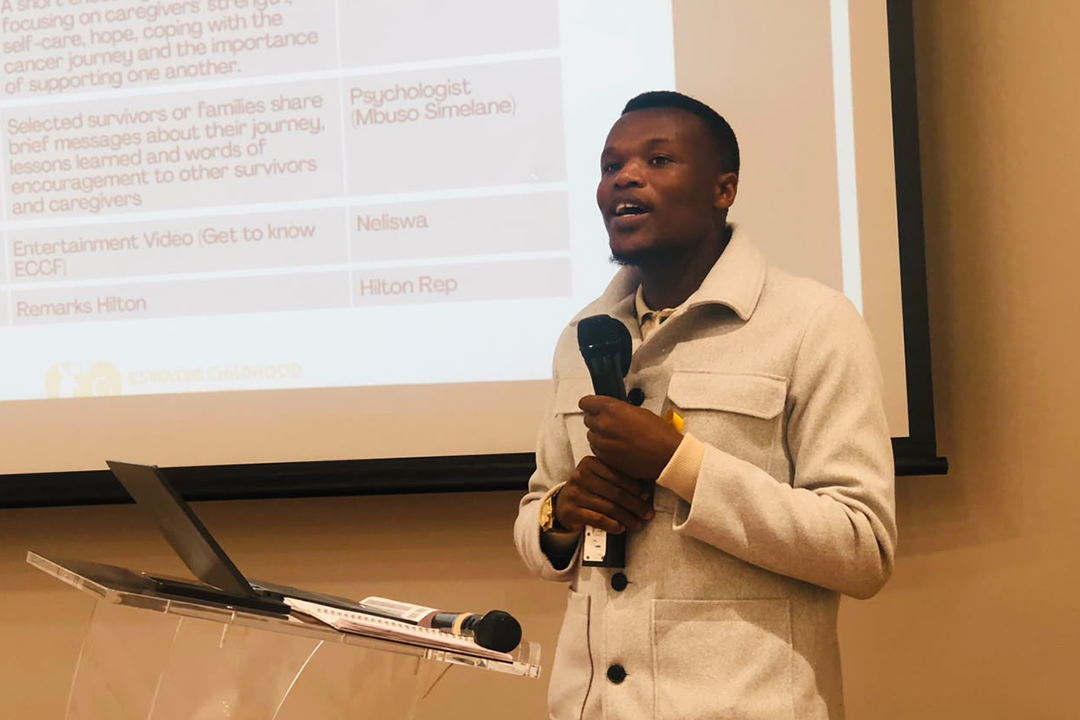
Psychologist Simelane Mbuso spoke about the importance of caring for the mind during the cancer journey, noting that survivors and caregivers may experience emotions such as fear, sadness, anger, worry, loneliness and uncertainty.
“The message is that experiencing these emotions does not mean that a person is weak,” Mbuso said, emphasising the importance of recognising and addressing the emotional side of cancer.

One caregiver who shared her personal experience was Lindokuhle Zwane, whose child was diagnosed with liver cancer in 2021 at only 18 months old.
Zwane shared how difficult the experience was, saying there was a time when no one wanted to donate for her child. She eventually stood up and donated for her own child.
At only 21 years old, Zwane had to care for a very young child living with cancer. She said she knew cancer could be deadly but found courage through her grandmother, who supported her during the difficult period.
The presentation highlighted that emotional challenges can continue even after cancer treatment.
Survivors may face difficulties returning to school, making friends, adjusting to changes in appearance or physical abilities and thinking about the future.
Families were therefore encouraged to recognise the emotional side of recovery instead of focusing only on physical healing.
Survivors were encouraged to talk to trusted people and remain connected to supportive individuals. Other coping methods highlighted included maintaining healthy routines, playing and having fun, getting enough rest and sleep, praying and finding meaningful sources of hope.
Professional help was also encouraged when necessary.
Attention was also placed on parents and caregivers, who can become physically and emotionally exhausted while supporting a child through cancer.
Caregivers were encouraged to take breaks, share responsibilities, talk about their feelings, accept help and look after their physical and emotional wellbeing.
“You cannot pour from an empty cup,” the presentation states, emphasising that caregivers also need support.
Families were encouraged to build a support circle involving relatives, friends, healthcare workers, teachers, faith communities and fellow survivors.
Participants were also reminded to listen without judging, respect each person’s story and avoid comparing one cancer journey with another.
The programme identified signs that may require professional psychological support, including persistent sadness or withdrawal, severe anxiety, major changes in sleep or appetite, loss of interest in activities, difficulty functioning at school or home, feelings of hopelessness and thoughts of death or self-harm.
The presentation emphasised that asking for psychological help is a sign of strength, not weakness.
The survivor-sharing session encouraged participants to reflect on what helped them keep going, who gave them strength and what message of hope they could offer another child or family facing cancer.
Zwane’s testimony added a personal face to that message, showing how a young mother confronted the uncertainty of childhood cancer while drawing strength from her grandmother.
The overall message was that cancer should not become the sole definition of a survivor’s life.
“Cancer may be part of your journey, but it does not define who you are or the future ahead of you.”
Childhood cancer recovery can involve emotional challenges even after treatment, with fear, sadness, anger, worry and uncertainty being part of the journey for some survivors and families. Caregivers also need rest, emotional support and help, while support can come from family, friends, healthcare workers, teachers, faith communities and fellow survivors. Where emotional challenges become persistent or begin affecting daily life, families were encouraged to seek professional psychological support.
#EswatiniPositiveNews #ChildhoodCancer #CancerSurvivors #MentalHealth